
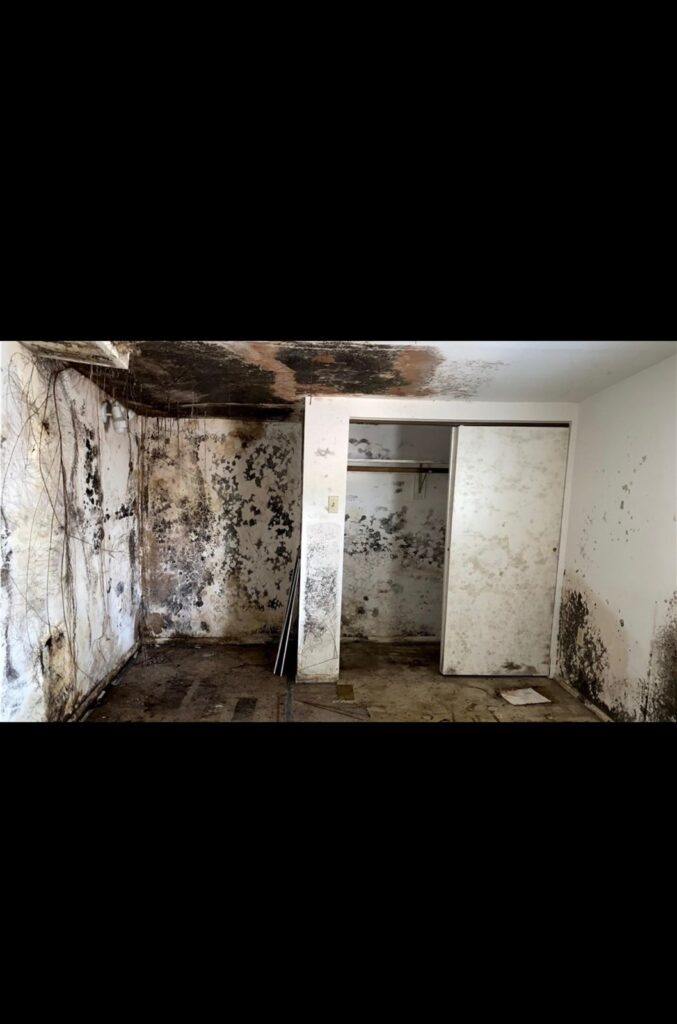
Mold After Water Damage in Satellite Beach: What Homeowners in Brevard County Should KnowWater damage is one of the fastest ways mold problems start in homes across Satellite Beach and Brevard County. Because of the area’s coastal humidity, salt air, and frequent storms, water doesn’t dry as quickly as many homeowners expect. Even small leaks or brief water intrusion can lead to mold growth if moisture isn’t addressed immediately and completely.Many homes look dry on the surface after water damage—but mold often begins growing behind walls, under floors, and inside HVAC systems long before it’s visible. Knowing how mold develops after water damage and what steps matter most can help Satellite Beach homeowners avoid long-term issues.⸻Why Water Damage Leads to Mold So Quickly in Satellite BeachSatellite Beach homes face unique challenges after water damage: • High humidity year-round • Warm temperatures that slow drying • Wind-driven rain from coastal storms • Salt air that holds moisture • Frequent power outages after storms • Heavy AC relianceMold doesn’t need flooding. Even minor leaks combined with humidity can trigger growth.⸻How Fast Mold Grows After Water DamageMold grows much faster than most homeowners realize.Typical timeline: • 0–24 hours: Materials absorb water • 24–48 hours: Mold spores begin colonizing • 3–7 days: Odors and early growth develop • Weeks later: Hidden mold spreads extensivelyIf materials stay damp beyond the first two days, mold risk increases sharply.⸻Common Sources of Water Damage in Satellite Beach HomesStorm-Related Water Intrusion • Wind-driven rain through roofs or walls • Damaged flashing or vents • Water intrusion around windows and doorsPlumbing and Appliance Leaks • Broken or leaking supply lines • Washing machine or dishwasher failures • Slow leaks under sinksFlooding and Storm Surge • Saturated flooring and subfloors • Water wicking up walls • Damp insulation behind drywallHVAC-Related Water • AC drain line clogs • Overflowing drain pans • Condensation buildup during outagesEach of these sources can continue feeding mold long after the visible water is gone.⸻Where Mold Grows After Water DamageMold almost always starts in hidden areas.Common growth locations include: • Behind drywall • Under baseboards and flooring • Inside insulation • Attics after roof leaks • Crawl spaces • HVAC systems and ductworkBy the time mold is visible, it’s often already widespread.⸻Warning Signs Mold May Be DevelopingVisual Signs • Ceiling or wall stains • Bubbling or peeling paint • Warped floors or baseboardsOdor Signs • Persistent musty smells • Odors that worsen when AC runsHealth Signs • Sneezing or coughing indoors • Sinus congestion or headaches • Asthma or allergy symptoms worseningSymptoms that improve when leaving the home are a strong warning sign.⸻Why Fans and Dehumidifiers Aren’t Always EnoughAfter water damage, many homeowners rely on fans alone.The problem: • Fans dry surfaces, not wall cavities • Insulation can remain wet • Moisture under floors goes undetectedProfessional drying focuses on moisture detection, not just airflow.⸻Mold Inspections After Water DamageA mold or moisture inspection helps: • Identify hidden moisture • Determine mold risk early • Locate leaks or trapped water • Document conditions for insuranceEarly inspections often prevent full remediation later.⸻Mold Testing After Water DamageTesting may be helpful when: • Mold is suspected but not visible • Odors persist weeks after drying • Health symptoms appear • Documentation is neededTesting helps evaluate whether indoor air quality has been affected.⸻Mold Remediation After Water DamageProper remediation addresses both mold and moisture.Typical steps include: 1. Containment to prevent spore spread 2. HEPA air filtration 3. Removal of mold-contaminated materials 4. Antimicrobial treatment 5. Complete drying and moisture correctionSkipping moisture correction almost guarantees mold will return.⸻Insurance and Mold After Water DamageInsurance coverage depends on cause and timing.Mold may be covered if it results from: • Sudden plumbing failures • Appliance malfunctions • Storm-related water intrusionMold caused by delayed drying or long-term moisture is often denied. Documentation and fast action are critical.⸻Vacant and Seasonal Homes: Higher RiskSatellite Beach has many seasonal or vacant homes.Risks include: • Delayed discovery of leaks • AC turned off • No humidity controlBest practices: • Keep AC running • Monitor humidity • Inspect promptly after stormsMany mold problems begin while homes are unoccupied.⸻Preventing Mold After Water DamageFirst 48 Hours Matter Most • Stop the water source • Begin drying immediately • Remove wet materials if needed • Restore AC and dehumidification • Document damageOngoing Prevention • Repair leaks promptly • Monitor humidity • Inspect attics, walls, and HVAC systems • Address musty odors earlySpeed is the most effective mold prevention tool.⸻When to Call a ProfessionalProfessional help is recommended if: • Water damage lasted over 24 hours • Mold odors persist • Mold becomes visible • HVAC systems were affected • Health symptoms appear • Insurance claims are involvedEarly action limits damage and cost.⸻Why Ignoring Post-Water Damage Mold Is RiskyUnchecked mold can lead to: • Structural material damage • Poor indoor air quality • Ongoing health concerns • Costly remediation • Reduced home valueMold rarely resolves without intervention in coastal environments.⸻Final Thoughts for Satellite Beach HomeownersIn Satellite Beach, water damage and mold often go hand in hand. The biggest mistake homeowners make is assuming everything is dry because it looks dry. Hidden moisture is the real threat.Acting quickly after water damage—by drying thoroughly, inspecting properly, and monitoring humidity—can prevent mold from becoming a long-term problem. In Brevard County’s coastal climate, early response makes all the difference.