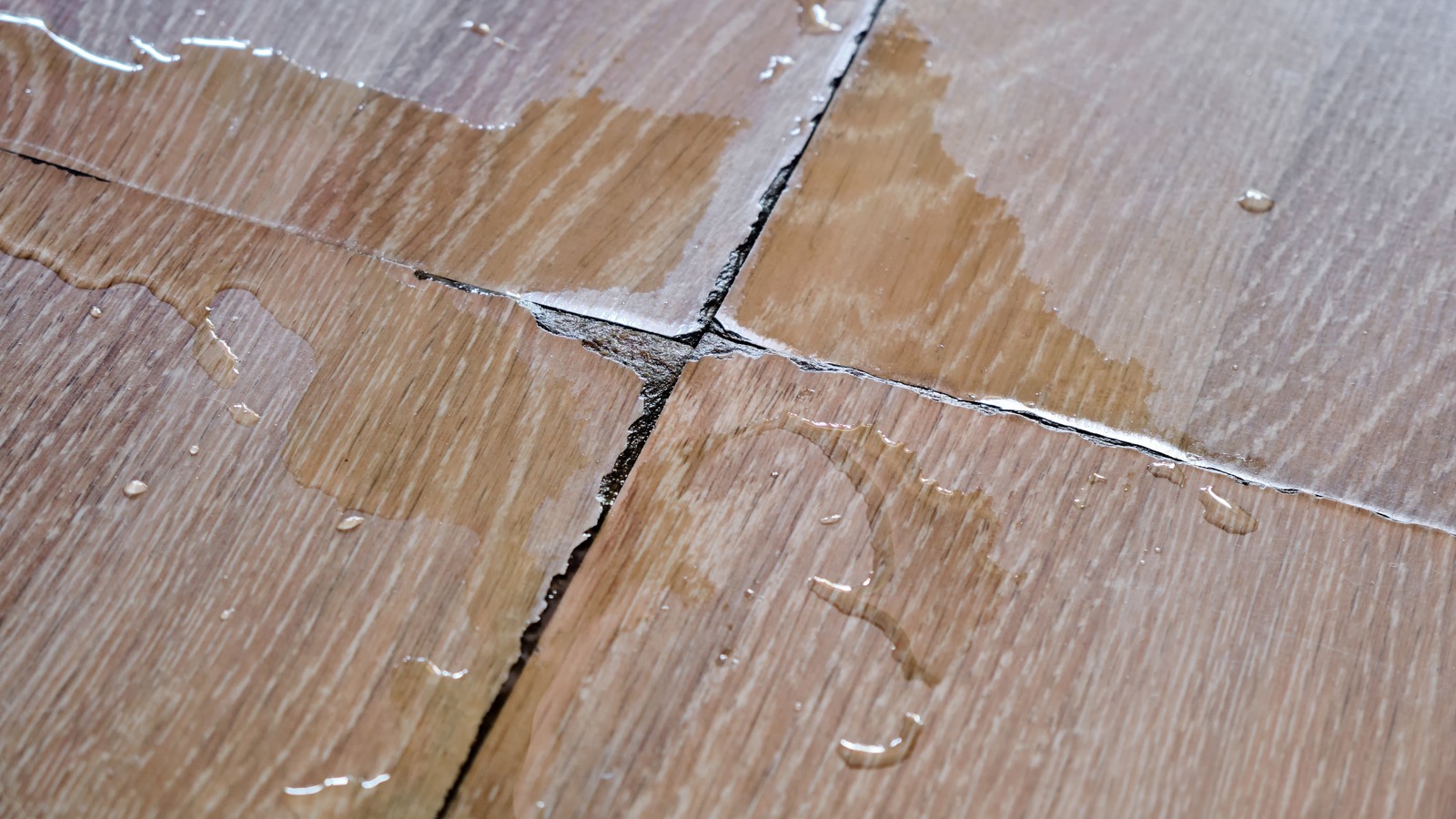
Mold and Insurance Claims in Cape Canaveral: What Homeowners in Brevard County Should Know
Mold problems and insurance claims often become connected for homeowners in Cape Canaveral, especially after storms, plumbing failures, or unexpected water damage. Living on the coast means homes are exposed to heavy rain, wind-driven moisture, high humidity, and occasional hurricane impacts — all of which increase the chance that water intrusion can turn into mold if drying isn’t thorough.
Many homeowners assume mold is automatically covered by insurance, only to discover later that coverage depends on how and when the damage occurred. Understanding how mold-related insurance claims typically work in Cape Canaveral can help homeowners avoid surprises and respond calmly if moisture issues arise.
How Mold Becomes an Insurance Issue
Mold itself is rarely the starting point of an insurance claim. In most cases, mold develops after a water-related event, such as:
- A burst or leaking pipe
- Roof damage from storms or hurricanes
- Wind-driven rain entering through windows or vents
- Appliance failures
- AC drain line backups
Insurance policies generally focus on the cause of the water damage, not the mold alone. If mold results from a sudden, covered water event and is addressed promptly, mold-related cleanup may be considered part of the claim. If mold develops due to long-term moisture, ongoing humidity, or delayed repairs, coverage is often limited.
Why Mold Claims Are Common in Cape Canaveral
Cape Canaveral’s coastal environment increases the likelihood of mold-related insurance claims. Salt air slows drying, and high humidity allows moisture to linger longer than many homeowners expect.
Local factors that contribute include:
- Frequent storms and tropical weather
- Slab foundations that trap moisture under flooring
- Long AC run times and condensation
- Power outages that interrupt drying after storms
- Older windows, roofs, or flashing vulnerable to wind-driven rain
Even homes that don’t flood can develop mold after moisture enters hidden areas and isn’t fully dried.
What Insurance Companies Look For in Mold Claims
When mold is involved, insurance carriers typically examine several key factors:
- Source of the water damage
- Whether the event was sudden or gradual
- How quickly the homeowner responded
- Evidence of ongoing or pre-existing moisture
- Steps taken to prevent further damage
Prompt action matters. Insurance companies generally expect homeowners to take reasonable steps to dry affected areas and prevent mold from spreading once water damage is discovered.
Common Reasons Mold Claims Are Denied or Limited
In Cape Canaveral and throughout Brevard County, mold claims are often limited or denied due to:
- Long-term leaks that weren’t repaired
- Mold tied to ongoing humidity or condensation
- Delayed reporting of water damage
- Lack of documentation showing when damage occurred
- Pre-existing mold unrelated to a covered event
For example, mold caused by years of AC condensation or poor ventilation is often treated differently than mold following a sudden pipe burst.
Why Documentation Is Critical
Clear documentation can make a significant difference in mold-related insurance claims.
Helpful documentation may include:
- Photos of water damage and affected areas
- Dates when leaks or moisture were discovered
- Records of repairs or mitigation efforts
- Moisture readings or inspection reports
- Professional mold inspection findings
Documenting conditions early helps establish timelines and clarify whether mold resulted from a covered event.
How Mold Inspection Supports Insurance Claims
A professional mold inspection provides objective information about moisture conditions and mold growth, which can be helpful during the claims process.
A proper inspection may include:
- Visual evaluation of water-damaged areas
- Moisture readings inside walls, ceilings, and floors
- Inspection of attics, crawl spaces, and HVAC systems
- Thermal imaging to locate hidden moisture
- Air or surface sampling when appropriate
Inspection findings help homeowners understand the scope of the issue and support clearer communication during insurance discussions.
Homeowners in Cape Canaveral and across Brevard County often work with Brevard Mold Inspections & Removal for calm, detailed inspections based on local coastal conditions.
Mold Removal and Remediation During a Claim
If mold is confirmed, insurance companies typically expect remediation to address both the mold and the moisture source. Removing mold without fixing the underlying water issue often leads to repeat damage, which insurers closely review.
A proper remediation approach usually includes:
- Containing affected areas to prevent spread
- Removing mold-damaged materials when necessary
- Cleaning and treating salvageable surfaces safely
- Thorough drying of the structure
- Correcting roof, plumbing, drainage, or ventilation issues
Clear remediation documentation helps demonstrate that appropriate steps were taken.
Mistakes Homeowners Should Avoid
Certain actions can complicate mold-related insurance claims.
Common mistakes include:
- Cleaning or removing damaged materials before documentation
- Delaying inspections after discovering water damage
- Painting over mold-stained areas
- Ignoring musty odors or minor moisture
- Assuming insurance will automatically cover mold later
Early evaluation and documentation are usually more helpful than quick cosmetic fixes.
Preventing Mold-Related Insurance Issues
Prevention reduces both mold risk and insurance complications.
Helpful prevention steps include:
- Fixing leaks promptly
- Maintaining AC systems and condensate drain lines
- Monitoring indoor humidity levels
- Inspecting roofs, ceilings, and windows after storms
- Scheduling inspections after water damage
Taking early action can help prevent mold from becoming part of an insurance claim at all.
Why Local Brevard County Experience Matters
Insurance claims involving mold in Florida differ from those in other regions. Cape Canaveral homes face coastal humidity, storms, and construction styles that require local understanding.
Barrier-island homes behave differently than inland homes in Palm Bay or Viera. Local experience helps ensure inspections and documentation reflect real Brevard County conditions.
A Calm, Practical Next Step
If your Cape Canaveral home has experienced water damage and you’re concerned about mold or insurance coverage, a professional inspection can provide clarity. Understanding conditions early helps you make informed decisions and avoid unnecessary complications.
Brevard Mold Inspections & Removal works with homeowners throughout Cape Canaveral and Brevard County to provide inspections, testing, and guidance focused on accurate documentation and long-term home protection.
Images: Mold and Insurance Claims in Coastal Florida Homes