
Mold and Insurance Claims in Cape Canaveral: What Homeowners in Brevard County Should Know
Mold and insurance questions often come up after storms, leaks, or water damage in Cape Canaveral. Homeowners clean up visible water, make repairs, and then—weeks later—notice musty odors, staining, or recurring mold. At that point, many wonder whether insurance applies, what documentation matters, and how to avoid costly mistakes.
In Brevard County’s coastal climate, mold is closely tied to moisture events. Understanding how insurance typically views mold, what steps help protect a claim, and where homeowners often run into trouble can make the process calmer and more predictable.
Why Mold and Insurance Get Complicated in Coastal Florida
Cape Canaveral homes face frequent storms, wind-driven rain, high humidity, and year-round air conditioning. Water can enter through roofs, windows, doors, or AC systems without obvious flooding. Mold may not appear right away, which creates confusion about timing and cause.
Insurance discussions usually hinge on why the moisture occurred and how quickly it was addressed. When mold shows up later, homeowners are often unsure how it connects back to the original water event.
How Mold Typically Ties Back to a Water Event
Mold doesn’t appear on its own. It follows moisture.
Common triggers in Cape Canaveral include:
- Storm-related roof or window intrusion
- Plumbing leaks, including slow leaks inside walls
- AC drain backups or overflowing pans
- Appliance failures
- Power outages that shut down AC and raise indoor humidity
When materials stay damp, mold can begin growing within days. If drying is incomplete or moisture is hidden, growth may not be visible until much later.
Why Timing Matters So Much
One of the biggest factors in insurance-related mold questions is timing.
Water damage that is addressed promptly—stopped, dried, and documented—creates a clearer story. Mold that appears weeks or months later often raises questions about whether moisture persisted or whether conditions changed after the initial event.
In a humid coastal area, even short delays can allow moisture to linger. That’s why early action and verification are critical.
Common Misunderstandings About Mold Coverage
Many homeowners assume mold is either fully covered or never covered. The reality is more nuanced.
Mold is typically considered a result of moisture. Insurance discussions often focus on the original cause of water intrusion rather than the mold itself.
Another common misunderstanding is that visible cleanup equals complete drying. Surfaces can look dry while moisture remains inside walls, floors, or insulation—where mold later develops.
Documentation Homeowners Often Overlook
Clear documentation helps avoid confusion later.
Useful documentation often includes:
- Photos or videos of the original water damage
- Dates and details of when the issue was discovered
- Records of drying efforts and repairs
- Notes about odors, stains, or changes over time
Even simple records help establish a timeline that explains how mold developed.
Why Hidden Moisture Causes Insurance Confusion
Hidden moisture is one of the main reasons mold appears long after a water event.
Water can travel inside wall cavities, under flooring, or above ceilings. Without moisture detection tools, it’s difficult to confirm that everything has dried fully.
In Cape Canaveral homes, high humidity slows evaporation, increasing the chance that moisture stays trapped. When mold appears later, it may seem unrelated—even though it began with the original water intrusion.
Storms, Hurricanes, and Mold Claims
Storms are a frequent source of mold-related concerns in coastal Brevard County.
Wind-driven rain can enter small openings that don’t cause immediate interior damage. Power outages during storms can raise indoor humidity quickly, especially if AC systems are down.
Mold discovered after storms is often tied to these combined factors rather than a single obvious leak.
Why DIY Cleanup Can Hurt a Claim
Many homeowners try to clean mold themselves before understanding the full scope of the problem. While this may seem reasonable, it can create complications.
Cleaning visible mold without documenting conditions or addressing moisture sources can make it harder to explain how widespread the issue was. It can also spread spores into new areas, increasing the scope of damage.
More importantly, cleaning does not change moisture conditions, which is the real driver of mold growth.
The Role of a Professional Mold Inspection
A professional mold inspection provides clarity by focusing on moisture and building conditions.
Inspections typically evaluate:
- Areas affected by water damage
- Walls, ceilings, and flooring
- Attics and crawl spaces
- HVAC systems and drain components
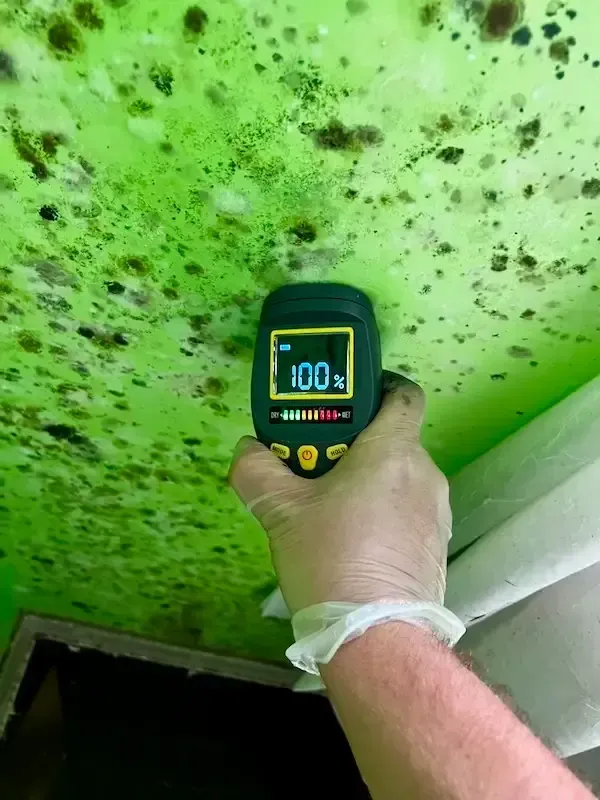
Moisture meters and thermal imaging help identify damp materials that are not visible. When appropriate, air or surface sampling may support findings.
This information helps homeowners understand what’s happening and what steps are reasonable next.
Mold Remediation and Insurance Considerations
When mold is confirmed, remediation focuses on safe removal and moisture correction.
Containment is used to prevent spread during work. Mold-affected materials may be cleaned or removed depending on severity and material type.
Correcting the moisture source is essential. Without that step, mold can return—regardless of how thorough removal appears.
Brevard Mold Inspections & Removal approaches remediation with a prevention-focused mindset, helping homeowners stabilize conditions rather than chase repeat problems.
HVAC Systems and Mold Claims
HVAC-related mold is common in Cape Canaveral due to constant system use.
Condensation issues, clogged drain lines, and duct sweating can introduce moisture that spreads through the system. When mold develops inside HVAC components, odors and moisture may appear throughout the home.
Because HVAC systems connect many areas, identifying these issues early helps limit scope and confusion.
What Often Delays the Process
Delays usually come from uncertainty rather than complexity.
Homeowners may wait to see if odors go away, clean repeatedly instead of investigating moisture, or assume the issue is minor. In Florida’s climate, waiting often allows mold to spread.
Early evaluation and documentation reduce stress and help decisions feel more straightforward.
Preventing Mold Issues After a Claim
Prevention is especially important after any water-related incident.
Key steps include:
- Verifying that materials are fully dry
- Monitoring indoor humidity after repairs
- Maintaining HVAC systems and drain lines
- Inspecting attics and hidden areas after storms
Prevention protects both the home and future claims by reducing repeat issues.
Why Local Experience in Brevard County Matters
Mold and moisture behave differently in coastal Florida than in other regions.
Cape Canaveral homes deal with salt air, storms, slab foundations, and constant cooling cycles. Local experience helps interpret moisture patterns accurately and recommend steps that work long-term here.
Generic advice often misses these regional factors.
A Calm, Practical Takeaway
Mold and insurance questions in Cape Canaveral usually come down to moisture, timing, and documentation. Mold itself is rarely the mystery—how water entered and how it was handled matters most.
If your home experienced water damage and mold appeared later, understanding the full picture helps you move forward with confidence. A professional inspection can clarify conditions and reduce uncertainty.
Homeowners across Brevard County benefit from early assessment and moisture-focused solutions. Brevard Mold Inspections & Removal helps homeowners understand mold conditions after water events and take practical steps to protect their homes.
With the right information and a clear plan, mold and insurance discussions become far less overwhelming—and far more manageable.