
Mold and Insurance Claims in Cape Canaveral: What Homeowners in Brevard County Should Know
For homeowners in Cape Canaveral, mold concerns often come with another big question: Will insurance cover this? Between coastal storms, hurricanes, plumbing leaks, and Florida’s year-round humidity, mold and water damage are common issues in Brevard County. Unfortunately, insurance coverage for mold is not always straightforward.
Understanding how mold and insurance claims typically work—and where homeowners often run into trouble—can help you respond calmly, document issues correctly, and avoid surprises during the claims process.
Why Mold and Insurance Are Closely Linked in Florida
Mold rarely appears on its own. In most cases, it develops after some form of water intrusion.
In Cape Canaveral homes, common triggers include:
- Storm-related roof leaks
- Wind-driven rain around windows and doors
- Plumbing leaks inside walls or under sinks
- HVAC condensation or drain line failures
Because mold is usually tied to water damage, insurance claims often focus on the source of moisture, not the mold itself.
This distinction is important. Insurance policies typically address water damage differently depending on how it occurred and how quickly it was handled.
How Insurance Companies Usually View Mold
Most homeowners insurance policies do not treat mold as a standalone covered issue.
Instead, mold coverage is often tied to whether the water damage that caused it is considered sudden, accidental, and covered under the policy.
For example:
- Mold resulting from a sudden pipe burst may be viewed differently than mold from a slow, long-term leak
- Mold after a storm-related roof leak may be handled differently than mold caused by ongoing humidity
Insurance companies often evaluate:
- The cause of the moisture
- How long the issue existed
- Whether the homeowner took reasonable steps to address it
This is why documentation and timing matter so much.
Common Mold-Related Situations That Lead to Claims
In Cape Canaveral, mold-related insurance claims often follow specific events.
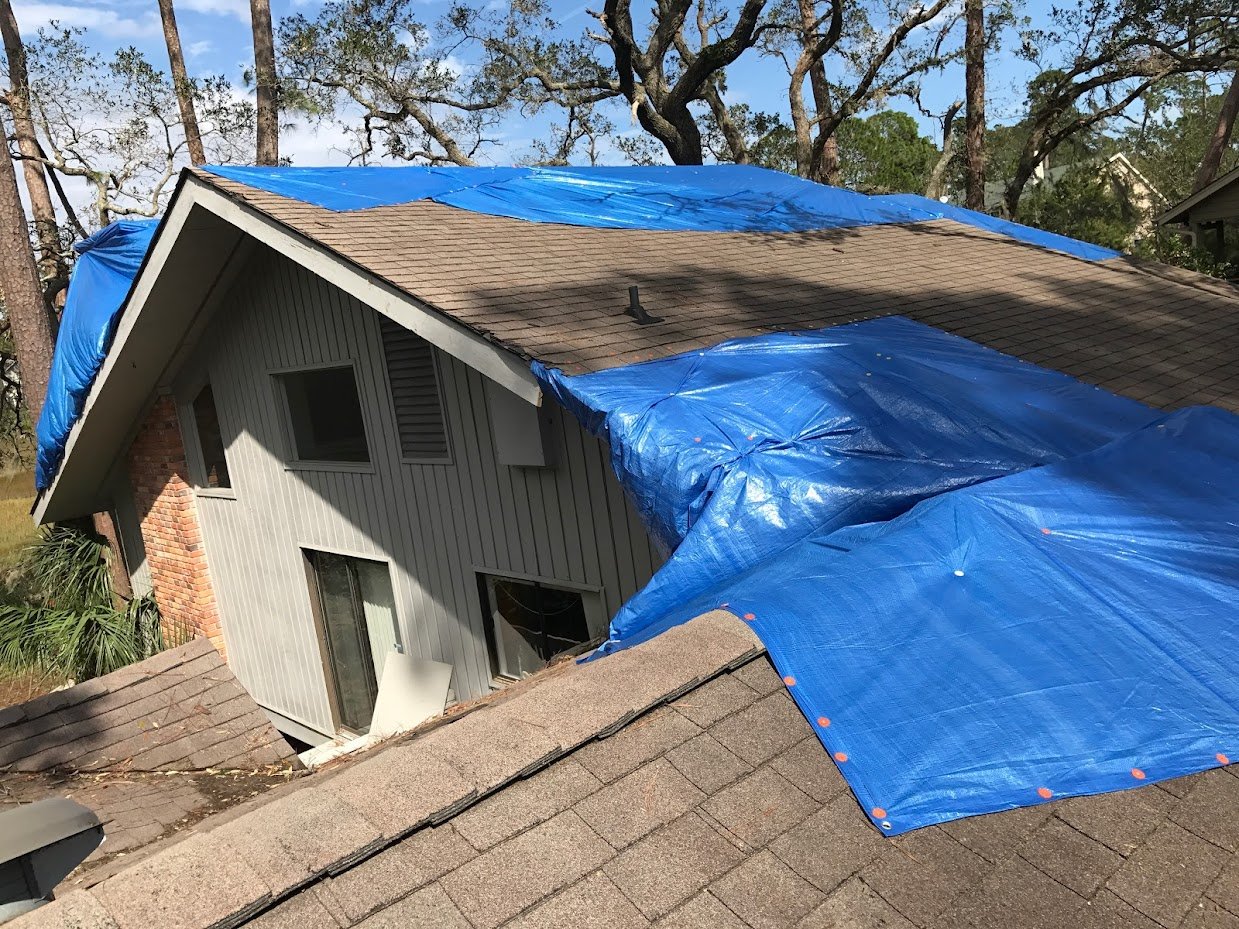
Hurricanes and tropical storms are a major factor. Wind-driven rain can enter attics or walls, and power outages can delay drying, increasing mold risk.
Plumbing failures—such as broken supply lines or leaking water heaters—are another frequent cause. When these events are sudden and addressed promptly, they are more likely to be considered for coverage.
HVAC issues also play a role. A clogged condensate drain or cracked drain pan can release water into ceilings or walls. If discovered quickly, this type of water damage may be handled differently than long-term condensation problems.
Why Timing Matters With Mold and Claims
One of the biggest issues homeowners face is delay.
Mold often becomes visible weeks after the original water event. By then, insurance companies may question how long moisture was present and whether it was properly addressed.
In Brevard County’s humid climate, materials dry slowly. Even when surfaces look dry, moisture can remain inside drywall, insulation, or flooring—allowing mold to develop later.
Reporting water damage early, even if mold isn’t visible yet, helps establish a timeline and reduces confusion during the claims process.
Documentation Is Critical
Good documentation can make a significant difference in mold-related claims.
Photos of the initial water damage, visible moisture, or staining help establish what happened and when. Notes about storms, leaks, or plumbing issues are also useful.
Professional inspection reports can provide objective information about moisture conditions, mold presence, and likely causes. These reports help clarify whether mold is consistent with a recent water event or long-term moisture.
Local professionals such as Brevard Mold Inspections & Removal often assist homeowners by documenting findings clearly and factually, which can be helpful when communicating with insurance adjusters.
Why Mold Claims Are Often Limited or Capped
Many insurance policies include mold sub-limits.
This means even when mold coverage applies, it may be capped at a specific dollar amount. These limits vary widely depending on the policy and endorsements.
Insurance companies may also limit coverage to mold that resulted directly from a covered water event—not mold that developed from delayed repairs, maintenance issues, or long-term humidity.
Understanding your specific policy language is important, as assumptions often lead to frustration.
The Role of Mold Inspections in Insurance Claims
A professional mold inspection helps establish facts—not opinions.
Inspections typically include:
- Visual assessment of affected areas
- Moisture detection using meters or thermal imaging
- Identification of potential moisture sources
When appropriate, air or surface samples may be collected and sent to an independent laboratory. Testing helps document mold presence and supports findings with objective data.
For insurance claims, inspections help clarify:
- Where mold is present
- Whether moisture appears recent or ongoing
- How mold may relate to reported water damage
This information supports clearer communication between homeowners, contractors, and insurance representatives.
Why DIY Cleanup Can Complicate Claims
DIY mold cleanup may seem helpful, but it can create complications.
Removing mold or damaged materials before documentation can make it harder to show the extent of the problem. Cleaning can also disturb mold and spread it to other areas.
Insurance adjusters often want to see conditions as they exist before remediation begins. Premature cleanup may raise questions about what was present originally.
When insurance involvement is likely, professional evaluation before cleanup is often the safer approach.
Mold Remediation and Insurance Coordination
When remediation is needed, coordination matters.
Professional remediation focuses on:
- Containment to prevent spread
- Removal or treatment of affected materials
- Correction of moisture sources
Insurance companies may request estimates, scopes of work, or documentation before approving repairs. Clear communication helps prevent delays or misunderstandings.
Proper remediation also reduces the risk of mold returning, which protects both the home and any future claims.
Common Misunderstandings About Mold and Insurance
Many homeowners assume:
- All mold is covered
- Storm-related mold is always included
- Cleaning mold automatically resolves the claim
In reality, coverage depends on policy language, cause of damage, timing, and documentation. Mold claims are often more nuanced than expected.
Understanding these nuances early helps set realistic expectations.
Preventing Mold Issues That Lead to Claims
Prevention is always easier than navigating claims.
Regular roof inspections help catch small leaks before storms make them worse. HVAC maintenance reduces condensation-related water damage.
After storms, checking attics, ceilings, windows, and floors for moisture allows issues to be addressed quickly.
Prompt drying and repairs reduce mold risk and strengthen documentation if insurance involvement becomes necessary.
Why Local Experience Matters With Claims
Insurance claims don’t happen in a vacuum.
Cape Canaveral homes face coastal humidity, salt air, slab foundations, and frequent storm exposure. Local experience helps professionals understand how moisture behaves in these homes and how mold typically develops afterward.
This understanding leads to more accurate inspections, clearer reports, and practical recommendations that align with Brevard County conditions.
A Practical Takeaway for Cape Canaveral Homeowners
Mold and insurance claims can feel confusing, especially after water damage or storms. The key is understanding that insurance decisions usually focus on the water event, not just the mold.
Early reporting, thorough documentation, and professional inspections help clarify what happened and support informed decisions. With accurate information and local expertise, Cape Canaveral homeowners can navigate mold-related insurance concerns more confidently and protect their homes in the process.