
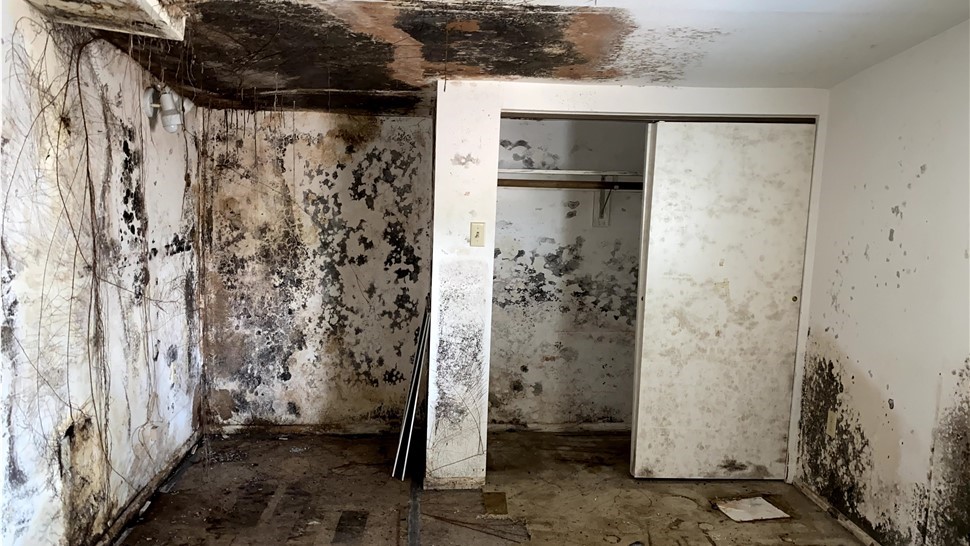
Mold and Insurance Claims in Cape Canaveral: What Homeowners in Brevard County Should Know
Mold and insurance claims can be a confusing combination for homeowners in Cape Canaveral. Many people assume that if mold is present, insurance will automatically step in. Others assume the opposite—that mold is never covered at all. In Brevard County, the reality sits somewhere in between, and understanding how insurers actually look at mold-related claims can save homeowners time, stress, and costly mistakes.
Cape Canaveral’s coastal location adds extra complexity. High humidity, wind-driven rain, hurricanes, and constant air conditioning all increase the chances of water damage, which is where insurance coverage usually begins. Mold itself is rarely the starting point of a claim. The cause of the moisture almost always matters more than the mold you can see.
How Insurance Companies Generally View Mold
Insurance companies don’t treat mold as a standalone problem.
In most cases, mold is viewed as a result, not a cause. That means coverage decisions are usually based on what allowed the mold to grow in the first place. If mold developed because of a covered water event, there may be some level of coverage. If mold developed due to long-term moisture or maintenance issues, coverage is often limited or denied.
This distinction is especially important in Cape Canaveral, where humidity and condensation can quietly cause mold without a sudden, obvious water event.
The Difference Between Sudden Water Damage and Ongoing Moisture
Insurance policies often separate water damage into two broad categories.
Sudden and accidental water damage includes things like:
- A burst pipe
- A sudden appliance failure
- Storm-related water intrusion
- An unexpected roof leak from wind damage
Ongoing or long-term moisture issues include:
- Slow plumbing leaks
- Chronic condensation
- High indoor humidity
- Poor ventilation
In general, insurance is far more likely to respond to sudden events than long-term moisture problems. Mold that develops slowly over time is often considered preventable through maintenance, even in Florida’s climate.
Why Cape Canaveral Homes Face Claim Challenges
Brevard County homes near the coast face unique moisture conditions.
Cape Canaveral properties deal with:
- Salt air that accelerates wear on materials
- Wind-driven rain during storms
- Hurricanes and tropical systems
- Slab foundations that trap moisture
- Heavy reliance on HVAC systems
Because moisture exposure is common, insurers often scrutinize whether damage happened suddenly or developed gradually. This makes documentation and professional evaluation especially important for coastal homeowners.
Common Mold-Related Claim Scenarios
Mold claims often start with water damage rather than visible mold.
Common situations include water damage from storm intrusion, where rain enters through roof damage or flashing during high winds. If mold develops afterward, it may be tied back to the storm event.
HVAC-related water damage is another frequent scenario. A clogged condensate drain line or cracked drain pan can leak water into ceilings or walls. If the leak is sudden and documented, mold that develops afterward may be part of the claim.
Plumbing failures—such as a broken supply line—can also lead to covered water damage. Mold that forms because materials stayed wet too long may be evaluated as part of that original event.
The key factor in all cases is timing and cause, not just the presence of mold.
Why Mold Alone Rarely Triggers Coverage
Homeowners are often surprised to learn that visible mold alone doesn’t usually trigger an insurance payout.
From an insurance perspective, mold without a documented water event raises questions about:
- How long moisture has been present
- Whether the issue was preventable
- Whether maintenance played a role
In Cape Canaveral, where humidity is high year-round, insurers frequently argue that mold resulted from environmental conditions or delayed repairs rather than a covered loss.
This is why identifying and documenting the moisture source is so important.
The Role of Inspections in Insurance Claims
A professional inspection plays a critical role in mold-related claims.
Inspections help establish:
- Where moisture entered the home
- Whether damage appears sudden or ongoing
- Which materials were affected
- Whether mold growth aligns with a specific event
Moisture meter readings, visual documentation, and inspection notes can help clarify timelines. This information is often more valuable to an insurance claim than mold test results alone.
Local professionals such as Brevard Mold Inspections & Removal focus on documenting building conditions and moisture patterns clearly, which helps homeowners understand how their situation may be viewed by an insurer.
Mold Testing and Insurance Claims
Mold testing is sometimes requested during insurance claims, but it’s often misunderstood.
Testing can document the presence of mold, but it does not determine coverage. Insurance decisions are rarely based on mold species or spore counts. They focus on cause and timing.
In some cases, testing is useful to:
- Establish baseline conditions
- Document concerns during real estate or claim disputes
- Support professional findings
However, testing without moisture documentation usually doesn’t strengthen a claim.
Why Delays Can Hurt a Mold Claim
Timing matters with insurance.
Delays in reporting water damage or mold concerns can complicate claims. If mold is discovered weeks or months after a water event, insurers may argue that drying or repairs were not handled promptly.
In Cape Canaveral’s climate, moisture can spread quickly. What starts as a small leak can lead to widespread dampness if not addressed early.
Prompt documentation, inspection, and communication help avoid questions about whether damage worsened over time.
HVAC Systems and Mold Claims
HVAC systems often play a role in mold-related claims.
Condensation leaks from air handlers, overflow from drain pans, or wet duct insulation can cause damage that spreads beyond a single room. Because HVAC systems circulate air, odors and moisture may appear throughout the home.
Insurance coverage depends on whether the HVAC issue is considered sudden and accidental or the result of maintenance problems. Clear inspection findings help distinguish between the two.
Why Cleaning Mold Before Documentation Can Be a Mistake
Many homeowners clean visible mold before contacting insurance.
While understandable, this can remove evidence that helps establish the scope and cause of damage. Cleaning without documenting conditions may make it harder to show what happened and when.
If water damage or mold is discovered and insurance involvement is possible, documenting conditions first is often the safer approach.
What Insurance Typically Doesn’t Cover
Even with water damage, coverage is often limited.
Insurance policies commonly exclude:
- Mold from long-term leaks
- Mold from high humidity alone
- Mold from deferred maintenance
- Cosmetic mold staining without structural damage
Understanding these limitations helps set realistic expectations and reduces frustration during the claims process.
How Remediation Fits Into Insurance Claims
When mold remediation is approved as part of a claim, it’s usually tied to covered water damage.
Approved remediation typically focuses on:
- Removing water-damaged materials
- Preventing further damage
- Addressing mold that resulted directly from the covered event
Remediation unrelated to the covered cause is often the homeowner’s responsibility.
This is why accurate evaluation at the beginning is so important.
Preventing Mold-Related Claim Issues in the Future
Prevention helps avoid disputes altogether.
Cape Canaveral homeowners can reduce risk by:
- Addressing water damage immediately
- Maintaining HVAC systems and drain lines
- Monitoring indoor humidity
- Inspecting attics and ceilings after storms
- Fixing small leaks promptly
Preventing moisture from lingering reduces both mold growth and insurance complications.
Why Local Experience Matters for Insurance-Related Mold Issues
Insurance claims don’t exist in a vacuum.
Cape Canaveral homes face unique coastal challenges that influence how damage develops. Local experience helps professionals recognize whether conditions align with sudden events or long-term moisture.
Generic assessments often miss these regional factors, which can affect claim outcomes.
A Practical Takeaway for Cape Canaveral Homeowners
Mold and insurance claims in Cape Canaveral are less about the mold itself and more about why it formed.
Understanding the difference between sudden water damage and ongoing moisture helps homeowners approach claims realistically. Documentation, timely inspections, and clear evaluation are critical to navigating the process smoothly.
If you’re dealing with mold and aren’t sure how it may relate to insurance, a professional inspection can provide clarity before assumptions are made. With accurate information and local expertise, homeowners can make informed decisions and avoid unnecessary frustration when mold and insurance intersect.