
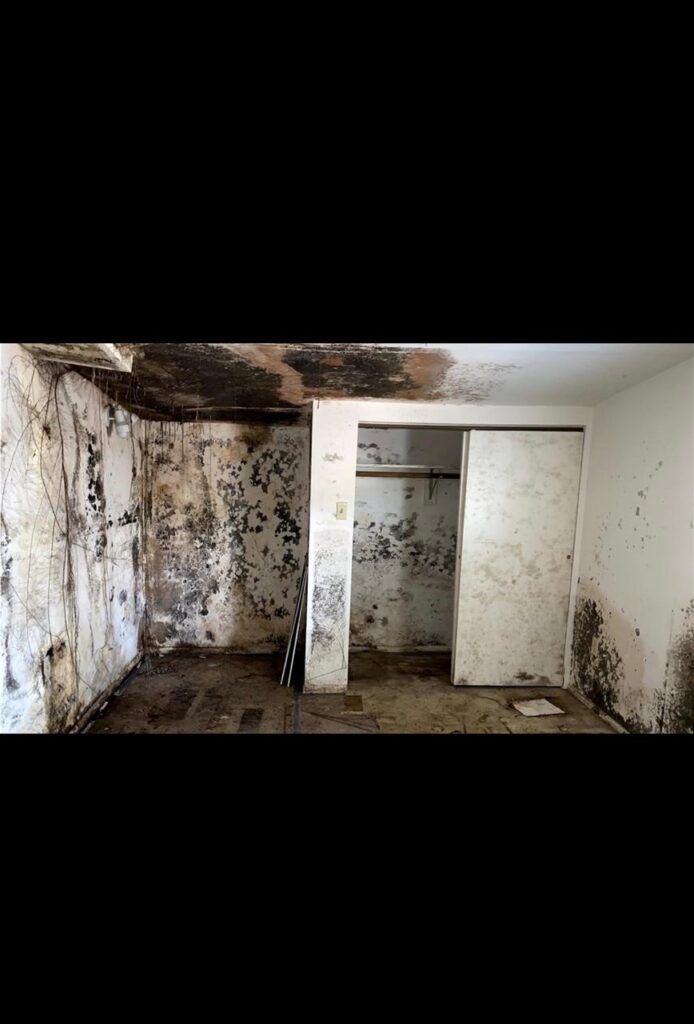
Mold and Insurance Claims in Cape Canaveral: What Homeowners in Brevard County Should KnowMold and insurance claims can be confusing—especially in Cape Canaveral, where coastal weather, humidity, and storms make water damage a regular concern. Many homeowners assume mold is automatically covered by insurance. Others assume it’s never covered. The truth sits somewhere in between.If you’ve discovered mold (or water damage that could lead to mold), understanding how insurance really works in Brevard County, what’s typically covered, and how to protect your claim can make a major difference in the outcome.This guide breaks it down clearly, without jargon or scare tactics.⸻Why Mold Claims Are Common in Cape CanaveralCape Canaveral homes face several mold-triggering conditions: • High coastal humidity • Heavy rain and tropical storms • Wind-driven rain intrusion • Aging roofs and windows • AC systems running year-round • Condensation and plumbing leaksMold itself isn’t usually the starting point. In most cases, water damage comes first—and that’s what insurance companies focus on.⸻How Insurance Companies View MoldInsurance companies don’t insure “mold” by itself. They insure sudden and accidental damage that may lead to mold.In simple terms: • ✅ Mold caused by a covered water event may be covered • ❌ Mold caused by long-term moisture or neglect usually isn’tThe cause matters more than the mold itself.⸻Water Damage vs. Mold Damage: The Key DifferenceThis is where many claims succeed—or fail.Typically Covered Water Events • Burst or suddenly leaking pipes • Appliance failures (washing machine, water heater) • Storm damage that allows water inside • Accidental overflow (toilet, sink, tub)If mold results directly from one of these events and you act quickly, coverage is more likely.Commonly Excluded Situations • Slow leaks over time • Poor maintenance • High humidity issues • Long-standing roof or plumbing problems • Mold that was present before the claimInsurance companies often deny claims by arguing the damage was gradual, not sudden.⸻Mold Coverage Limits in Florida PoliciesEven when mold is covered, it’s often limited.Many Florida policies include: • A mold sub-limit (commonly $5,000–$10,000) • Coverage only if mold results from a covered peril • Strict documentation requirementsThat limit must cover: • Mold remediation • Removal of damaged materials • Sometimes testing and clearanceCosts can exceed limits quickly if mold spreads.⸻The Importance of TimingTiming is critical with mold claims.What Insurance Companies Expect • Immediate action to stop the water source • Prompt drying and mitigation • Fast reporting of the claimDelays can give insurers grounds to deny coverage, even if the original water damage was covered.If mold develops because drying or repairs were delayed, insurers may claim secondary damage due to neglect.⸻What to Do Immediately After Water DamageIf water damage occurs in your Cape Canaveral home, take these steps right away: 1. Stop the water source if possible 2. Document everything (photos, videos, timestamps) 3. Dry affected areas quickly 4. Avoid tearing out materials before documentation 5. Notify your insurance company promptlyMold can begin growing in 24–48 hours, so speed matters.⸻Why Mold Inspections Matter for ClaimsProfessional inspections help establish cause, timeline, and extent of damage.An inspection can: • Identify moisture sources • Determine whether mold is active or long-standing • Document affected materials • Support or challenge insurance conclusionsThis documentation can be critical if coverage is disputed.⸻Mold Testing and Insurance ClaimsMold testing isn’t always required, but it can be useful when: • Mold is suspected but not visible • Health concerns are involved • Coverage responsibility is disputed • You need proof of indoor air quality issuesSome insurers may request testing results, especially for larger claims.⸻Mold Remediation and Insurance ExpectationsInsurance companies expect remediation to follow industry standards, not cosmetic cleaning.Proper remediation typically includes: • Containment to prevent spore spread • HEPA air filtration • Removal of contaminated materials • Antimicrobial treatment • Moisture correction and dryingCutting corners can jeopardize reimbursement and allow mold to return.⸻Common Reasons Mold Claims Are DeniedUnderstanding denial reasons helps you avoid them.Frequent Denial Causes • Damage classified as “long-term” • Late reporting • Lack of maintenance • Incomplete documentation • Mold pre-dating the policy • Failure to mitigate damageInsurance companies look closely for any reason to label mold as preventable.⸻Coastal Homes and Insurance ChallengesCape Canaveral’s coastal environment adds extra scrutiny.Challenges include: • Salt air accelerating wear • Wind-driven rain intrusion • Repeated minor moisture events • Older construction materialsInsurers may argue that damage resulted from environmental exposure, not a covered event—making documentation even more important.⸻Vacant or Seasonal Homes: A Risky AreaMany Cape Canaveral homes are seasonal or vacant part of the year.Common mistakes that hurt claims: • Turning off AC completely • No humidity control • Delayed discovery of leaksInsurance policies often have vacancy clauses, and mold discovered weeks later may be denied due to delayed reporting.⸻How to Strengthen a Mold Insurance ClaimHomeowners can improve claim outcomes by: • Acting immediately after water damage • Keeping maintenance records • Photographing damage early and often • Using qualified professionals • Following remediation best practices • Communicating clearly with adjustersClear timelines and evidence matter.⸻When to Seek Professional HelpProfessional guidance is especially helpful when: • Mold spreads beyond a small area • Insurance coverage is questioned • The source of moisture is unclear • Health concerns are involved • Claims are delayed or disputedEarly expert involvement can prevent costly mistakes.⸻Preventing Future Mold Insurance IssuesPrevention protects both your home and future claims.Smart Prevention Steps • Fix leaks immediately • Maintain roofs, windows, and plumbing • Keep indoor humidity below 50% • Service HVAC systems regularly • Inspect after storms • Don’t ignore musty odorsInsurance is there for accidents—not ongoing moisture problems.⸻Final Thoughts for Cape Canaveral HomeownersMold and insurance claims in Cape Canaveral can be stressful, but they don’t have to be overwhelming. Coverage often depends less on the mold itself and more on what caused the moisture, how fast you responded, and how well everything was documented.Understanding your policy, acting quickly after water damage, and addressing mold properly can make the difference between a denied claim and a successful one.If you’re ready for the next Brevard County mold article, just send the title and I’ll take care of it.