
Mold and Insurance Claims in Cape Canaveral: What Homeowners in Brevard County Should Know
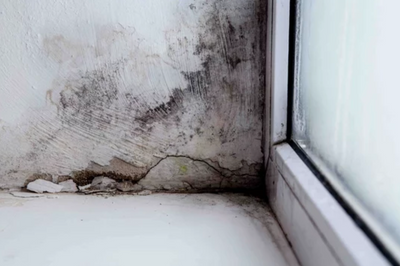
Mold problems often raise one big question for homeowners in Cape Canaveral: Will insurance cover this? The answer depends on what caused the mold and how quickly the issue was addressed. Many homeowners assume mold damage automatically falls under insurance coverage, but policies usually focus on the source of moisture, not the mold itself.
I’ve seen cases where homeowners discovered mold months after a leak, only to find that delayed repairs complicated their claim. Ever notice how small leaks sometimes seem harmless at first? Insurance companies usually look closely at how quickly damage was addressed.
Let’s break down how mold and insurance claims typically work and what homeowners in Brevard County should know.
How Insurance Typically Handles Mold Claims
Most homeowners insurance policies don’t treat mold as a standalone event. Coverage often depends on whether the mold resulted from a covered cause of loss.
Situations that may be covered:
- Sudden plumbing leaks
- Storm-related roof damage
- Appliance failures
Situations often not covered:
- Long-term leaks
- Poor maintenance
- High humidity
Rhetorical question time: if a leak continues for months without repair, would an insurer consider that sudden damage? Usually not.
Maintenance plays a major role in coverage decisions.
Why the Cause of Mold Matters
Insurance adjusters usually focus on how the moisture started. Mold that develops after a sudden pipe burst may be treated differently than mold caused by slow humidity buildup.
Common causes insurers review include:
- Date of the leak or damage
- Repair timelines
- Evidence of maintenance
IMO, documentation often becomes the most important factor in determining claim outcomes.
Clear records help explain what happened and when.
The Importance of Acting Quickly
Prompt action after water damage helps both prevent mold and strengthen insurance claims.
Important steps include:
- Stopping the water source
- Drying affected areas
- Documenting damage
- Reporting the issue promptly
Ever notice how damage spreads quickly when materials stay wet? Insurance companies understand that timeline and often evaluate response speed.
Quick action protects both the home and the claim.
Documenting Mold and Water Damage
Proper documentation helps homeowners support their claims.
Useful documentation includes:
- Photos of damage
- Dates of discovery and repairs
- Inspection reports
Photographs taken early often show the progression of damage clearly.
FYI, documentation taken immediately after discovering damage often becomes the strongest evidence later.
Keeping records may feel tedious, but it pays off.
The Role of Mold Inspection in Claims
Mold inspections often help determine:
- The source of moisture
- The extent of damage
- Whether mold developed recently or over time
Inspection reports sometimes support insurance claims by identifying likely causes of moisture and damage patterns.
Inspection identifies conditions objectively, which helps clarify situations for all parties involved.
Why Coastal Homes Face Unique Challenges
Cape Canaveral homes face weather and humidity conditions that increase mold risk.
Factors include:
- Storm-driven rain
- High humidity
- Salt air affecting building materials
Humidity-related mold problems often fall outside standard coverage because they develop gradually rather than from a sudden event.
Ever wonder why coastal homes require more frequent maintenance? Climate plays a major role.
Preventive maintenance reduces both mold risk and claim disputes.
Mold Remediation and Insurance
When mold damage is covered, policies may help pay for:
- Removal of contaminated materials
- Cleaning and remediation
- Drying and restoration
Coverage limits sometimes apply specifically to mold remediation, depending on the policy.
Homeowners should review their policies to understand those limits before problems occur.
Understanding coverage in advance prevents surprises later.
Preventing Mold to Avoid Claim Complications
Preventive maintenance helps homeowners avoid both mold and insurance complications.
Important steps include:
- Repairing leaks promptly
- Maintaining roofs and plumbing
- Monitoring indoor humidity
- Inspecting attics and crawl spaces periodically
Ever notice how homes that receive regular maintenance rarely develop large mold problems? Prevention works.
Small repairs often prevent larger losses.
Why Early Inspections Help
Early inspections after water damage can:
- Detect hidden moisture
- Prevent mold growth
- Provide documentation for claims
Moisture meters and other tools help identify damp materials before mold becomes visible.
Early detection often keeps repairs smaller and easier to document.
Inspection helps homeowners act before problems grow.
Why Acting Early Saves Time and Money
One consistent lesson from inspections is that early action reduces both repair costs and claim complications.
When moisture problems are addressed quickly:
- Mold remains limited
- Documentation stays clear
- Repairs remain smaller
Waiting allows damage to spread and often complicates claims.
Maintenance almost always costs less than restoration.
Final Thoughts
Mold and insurance claims in Cape Canaveral homes often depend on one key factor: what caused the moisture and how quickly it was addressed. Sudden damage and prompt action usually lead to clearer claims, while long-term moisture problems often create complications.
Understanding how policies work, documenting damage carefully, and addressing moisture quickly helps homeowners protect both their homes and their financial investment.