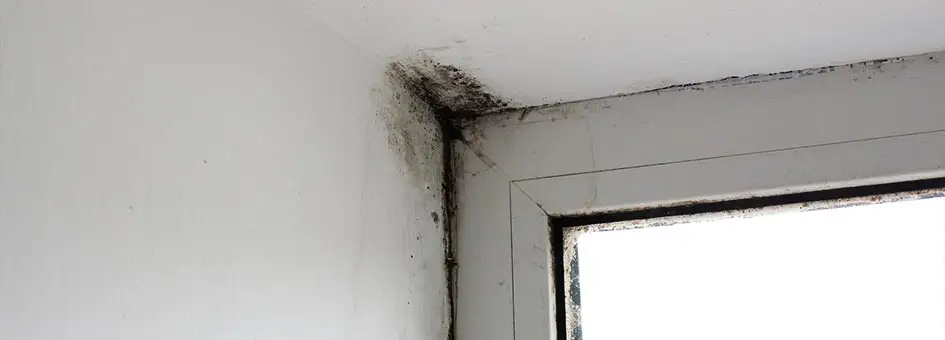
Mold and Insurance Claims in Cape Canaveral: What Homeowners in Brevard County Should Know
In Cape Canaveral, mold concerns and insurance questions often arrive together—usually after a storm, a roof issue, or a plumbing problem that didn’t seem serious at first. Weeks later, a musty odor appears or dark staining shows up on a ceiling, and homeowners are left wondering what’s covered, what isn’t, and what to do next. In Brevard County’s coastal climate, these situations are common—and they’re often more nuanced than people expect.
This guide breaks down how mold and insurance claims typically intersect in Cape Canaveral homes, why timing and documentation matter, and how to approach the situation calmly and practically—without fear tactics or legal language.
Why Mold Claims Are Common in Cape Canaveral
Cape Canaveral sits directly along the Atlantic, where moisture exposure is constant. Even when visible water is cleaned quickly, drying is slower near the coast, which increases the chance that mold develops later.
Local conditions that raise mold risk include:
- High coastal humidity year-round
- Wind-driven rain during storms and hurricanes
- Salt air degrading seals, flashing, and caulking
- Slab foundations that trap moisture beneath flooring
- Long AC run times that cool air without fully drying materials
Because mold often appears after the original water issue feels resolved, insurance questions tend to surface later in the process.
How Insurance Policies Typically Look at Mold
Most homeowners’ insurance policies don’t treat mold as a stand-alone event. Coverage usually hinges on what caused the moisture, not the mold itself.
In general terms:
- Mold tied to a sudden, covered water event may be considered
- Mold from long-term moisture, humidity, or maintenance issues is often excluded
- Policies may include specific mold sub-limits
Every policy is different, but outcomes usually depend on cause, timing, and documentation—not just the presence of mold.
Common Water Events That Lead to Mold Claims
In Cape Canaveral, mold claims often trace back to water events that initially seem manageable.
Common triggers include:
- Roof leaks after tropical storms or hurricanes
- Burst or failed plumbing lines
- Water intrusion around windows or sliding doors
- Appliance leaks from washers or water heaters
- AC condensate drain failures
Even when standing water isn’t visible, moisture can remain trapped in walls, insulation, or flooring.
Why Mold Often Appears After Repairs Are Done
Homeowners are often surprised when mold shows up weeks after repairs. This timing is typical in coastal homes.
It happens because:
- Materials absorb moisture during the event
- Coastal humidity slows evaporation
- Walls, insulation, and flooring retain dampness
- Mold begins growing out of sight
By the time odors or staining appear, the original incident may feel like old news—yet it’s still the key factor insurers evaluate.
What Insurers Usually Evaluate in Mold-Related Claims
When mold is part of a claim, insurers typically focus on cause, timing, and response.
They often look at:
- What caused the water intrusion
- Whether it was sudden or ongoing
- How quickly drying and mitigation began
- Whether damage worsened over time
- The condition of the home before the event
Clear, factual documentation can make these discussions more straightforward.
The Role of Mold Inspections in Insurance Situations
A professional mold inspection can provide clarity by documenting conditions, not assumptions.
An insurance-supportive inspection may include:
- Visual assessment of affected areas
- Moisture readings in walls, floors, and ceilings
- Identification of hidden moisture
- Correlation between water damage and mold growth
- Clear, objective findings
This information helps homeowners understand the scope of the issue and communicate accurately.
Brevard Mold Inspections & Removal works with Cape Canaveral homeowners to document conditions calmly and clearly—without exaggeration or pressure.
Mold Testing and Insurance Claims
Mold testing doesn’t determine coverage on its own, but it can help confirm whether mold growth is present and where it’s originating.
Testing may be helpful when:
- Mold is suspected but not visible
- Odors persist after water damage
- Verification is needed after remediation
- Hidden growth is a concern
Testing is most useful when paired with inspection findings that explain moisture behavior.
Common Reasons Mold Claims Are Denied
While every case is unique, mold claims are often denied for predictable reasons.
Common issues include:
- Moisture existed long before the claim
- Damage resulted from deferred maintenance
- No clear covered water event
- Delayed reporting or mitigation
- Mold attributed to humidity alone
Understanding these factors helps set realistic expectations.
Why Timing Matters After Water Damage
In Cape Canaveral, timing plays a big role in both mold development and claim outcomes.
Prompt action helps by:
- Limiting moisture absorption
- Reducing the chance of mold growth
- Demonstrating responsible mitigation
- Creating clearer documentation
Delays allow conditions to worsen and complicate both cleanup and coverage discussions.
Mold Remediation and Insurance Considerations
When remediation is necessary, insurers often focus on whether the work addresses damage from a covered cause, not general mold presence.
Key considerations include:
- Scope of affected materials
- Correction of moisture sources
- Targeted remediation of damaged areas
- Documentation of pre-existing conditions
Proper remediation focuses on removal and prevention—not cosmetic fixes.
Cosmetic Fixes vs Proper Documentation
Painting over stains or cleaning visible mold without documenting moisture can create problems later.
Cosmetic fixes may:
- Hide ongoing moisture
- Remove visible evidence of damage
- Make it harder to link mold to a covered event
Documenting conditions before repairs is often beneficial.
Mold After Hurricanes and Named Storms
Cape Canaveral homeowners frequently face mold concerns after hurricanes, even without flooding.
After storms:
- Wind-driven rain enters small openings
- Power outages slow drying
- High humidity persists for days
- Mold can develop in hidden areas
Post-storm inspections help identify moisture early—before mold becomes extensive.
Preventing Mold Issues That Complicate Claims
While not all mold is preventable, many issues that complicate claims can be reduced with consistent moisture control.
Helpful prevention steps include:
- Regular roof and window inspections
- Prompt leak repairs
- Maintaining AC drain lines
- Using exhaust fans consistently
- Monitoring indoor humidity
- Inspecting attics and ceilings after storms
Prevention supports both home health and smoother claim experiences.
Why Local Experience in Cape Canaveral Matters
Mold and insurance issues are influenced by local coastal conditions. Homes here behave differently than inland properties.
Local professionals understand:
- How wind-driven rain enters structures
- How salt air affects seals and flashing
- How slab foundations retain moisture
- How coastal humidity slows drying
Local knowledge leads to clearer assessments and better guidance.
A Calm, Practical Takeaway for Homeowners
Mold and insurance claims in Cape Canaveral don’t have to be overwhelming. Most mold issues trace back to moisture events that can be understood, documented, and addressed when handled early.
If your home experienced water damage and you’re now dealing with mold concerns, a professional inspection can provide clarity. Understanding cause, timing, and conditions is the most effective way to protect your home and approach insurance discussions confidently in Brevard County’s coastal environment.