
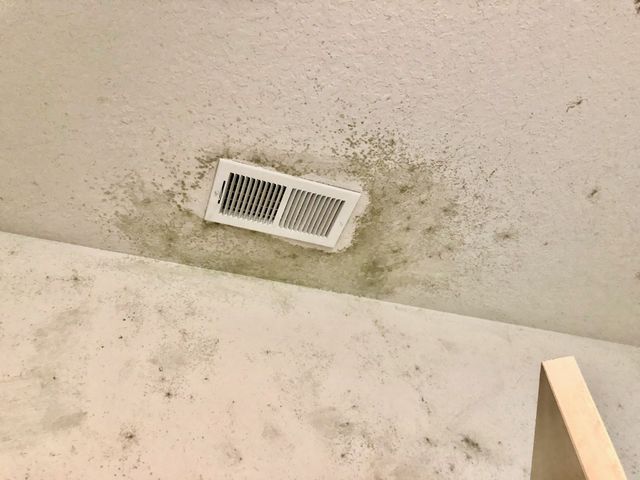
Mold in Rental Properties in Palm Bay: What Homeowners in Brevard County Should Know
Rental properties are common throughout Palm Bay and across Brevard County, whether it’s long-term tenants, seasonal residents, or families relocating to the Space Coast. But one issue repeatedly surprises both landlords and tenants: mold.
In our area, mold isn’t just something that happens after major flooding. It often grows quietly from everyday humidity, small leaks, or AC moisture that goes unnoticed in rental homes and apartments.
Whether you own rental property in Palm Bay, manage units in Melbourne, or rent out homes in Cocoa, Titusville, Merritt Island, or Satellite Beach, understanding how mold develops and how to handle it properly can protect both your property and your tenants.
Let’s walk through what homeowners and property owners across Brevard County need to know.
Understanding Mold Problems in Rental Properties
Mold grows wherever moisture and organic material meet. In homes and apartments, this typically means drywall, wood, carpet padding, insulation, or dust buildup.
Rental properties are especially vulnerable because:
- Tenants may not notice small leaks quickly
- Maintenance issues sometimes go unreported
- Air conditioning systems run constantly
- Properties may sit vacant between tenants
- Moisture problems may linger unnoticed
In Palm Bay neighborhoods with both older homes and newer developments, mold often appears in bathrooms, laundry rooms, kitchens, closets, garages, and around AC systems.
Unlike obvious storm damage, mold often grows slowly behind walls or under flooring before anyone sees it.
Why Mold Happens So Often in Brevard County Rentals
Living in Brevard County means dealing with moisture year-round.
Common local mold triggers include:
High Humidity
Florida humidity stays high most of the year. Even well-maintained homes struggle to keep indoor humidity low if ventilation or AC systems aren’t functioning properly.
Hurricanes and Heavy Rain
Storms affecting Cape Canaveral, Cocoa Beach, and inland communities like Palm Bay often cause roof leaks, minor flooding, or hidden water intrusion.
Even small amounts of storm moisture can cause mold weeks later.
AC Condensation Issues
Air conditioning systems remove humidity, but clogged drain lines or poor maintenance can cause condensation buildup in walls, ceilings, or closets.
Slab Foundation Homes
Many Palm Bay rental homes sit on concrete slabs. When moisture gets under flooring, mold can grow unseen beneath vinyl or laminate surfaces.
Coastal Moisture
Salt air and coastal moisture affect homes in Satellite Beach, Merritt Island, and nearby areas, keeping surfaces damp longer after rain or humidity spikes.
Common Signs Tenants or Owners Notice
Mold problems often show warning signs before they become severe.
Property owners and tenants may notice:
- Musty or damp odors
- Dark or fuzzy spots on walls or ceilings
- Peeling paint or bubbling drywall
- Warped flooring or soft baseboards
- Increased allergy-like irritation indoors
- Persistent condensation on windows or vents
Sometimes tenants simply say, “The apartment smells damp,” without visible mold. That smell alone is often enough to justify inspection.
Addressing concerns early prevents costly repairs later.
Hidden Mold Sources in Rental Homes
Many mold problems stay hidden until inspections uncover them.
Common overlooked areas include:
Behind Walls
Slow plumbing leaks or AC condensation inside walls can fuel mold growth without visible damage for months.
Under Flooring
Moisture trapped beneath laminate or carpet in slab homes is extremely common after small floods or plumbing leaks.
Attics
Hot attics across Brevard County often develop mold when ventilation is poor or roof leaks occur after storms.
Crawl Spaces
Older homes around Rockledge and Cocoa sometimes have crawl spaces where moisture buildup causes hidden mold.
HVAC Systems
Dirty or damp HVAC systems can spread mold spores throughout rental units.
Previous Water Damage
Past leaks that weren’t fully dried or repaired can cause mold to return long after repairs appear complete.
Why DIY Mold Cleanup Often Fails
When tenants see mold, they often try to clean it themselves. Owners sometimes do the same to avoid service costs.
But this frequently makes problems worse.
Common mistakes include:
- Using bleach, which doesn’t fully remove mold from porous surfaces
- Cleaning visible mold while moisture remains
- Scrubbing mold and spreading spores
- Painting over mold instead of removing it
- Ignoring hidden mold growth
Surface cleaning rarely addresses the underlying moisture source. Mold simply returns.
How Professional Mold Inspection Works
Professional mold inspections go beyond visible surfaces.
A proper inspection typically includes:
Visual Assessment
Inspectors check walls, ceilings, floors, attics, HVAC systems, and moisture-prone areas.
Moisture Detection
Moisture meters and thermal imaging tools help locate hidden dampness.
Air or Surface Sampling (When Needed)
Sampling may help determine mold levels and confirm contamination areas, especially during disputes or real estate transactions.
Lab Analysis
Samples can be analyzed to better understand mold conditions, though remediation decisions usually depend more on moisture and growth patterns.
Companies like Brevard Mold Inspections & Removal focus on identifying both mold presence and moisture sources so problems don’t return.
How Proper Mold Remediation Is Handled
Effective mold remediation focuses on removal and prevention.
A proper process usually involves:
Containment
Affected areas are isolated to prevent mold spores from spreading.
Moisture Correction
Leaks, ventilation problems, or condensation issues must be fixed first.
Safe Removal
Damaged materials like drywall, insulation, or carpet may need removal if contamination is extensive.
Cleaning and Filtration
HEPA air filtration and specialized cleaning methods remove mold residue.
Prevention Planning
Professionals help owners prevent recurrence through ventilation and moisture improvements.
Skipping steps often leads to repeat problems.
Preventing Mold in Rental Properties Going Forward
Rental property owners can reduce mold risks with simple preventive actions.
Maintain AC Systems
Regular HVAC service keeps humidity levels under control.
Inspect After Storms
Check properties quickly after hurricanes or heavy rain.
Address Leaks Immediately
Small plumbing leaks often lead to large mold problems if ignored.
Improve Ventilation
Bathroom and kitchen ventilation reduces moisture buildup.
Monitor Vacant Properties
Unoccupied homes can develop mold quickly without climate control.
Encourage Tenant Reporting
Tenants should feel comfortable reporting moisture issues early.
Prevention always costs less than repairs.
Why Local Brevard County Experience Matters
Mold problems in Brevard County aren’t the same as in other states.
Local professionals understand:
- Florida humidity patterns
- Storm-related moisture issues
- Slab foundation moisture behavior
- Coastal salt air effects
- Local construction styles
Whether properties are in Palm Bay, Melbourne, Titusville, or Cocoa Beach, local experience helps inspections and solutions move faster and more effectively.
Working with experienced companies like Brevard Mold Inspections & Removal ensures solutions are suited for our climate and building styles.
When to Consider a Professional Inspection
Property owners should consider inspections when:
- Tenants report musty odors
- Water leaks or flooding occur
- Mold appears on walls or ceilings
- Units sit vacant after storms
- Health or comfort complaints arise indoors
- Preparing property for sale or new tenants
Early inspections prevent larger restoration costs later.
A Calm Next Step for Property Owners
Mold issues in rental properties don’t have to become major crises. Most problems start small and can be corrected quickly when handled properly.
If you own rental property in Palm Bay or anywhere in Brevard County and suspect moisture or mold concerns, a professional inspection can clarify what’s happening and what steps are truly needed.
No pressure, no panic—just clear information so you can protect your property and keep tenants comfortable.
Local experts are available to help you understand your situation and plan practical next steps when needed.