
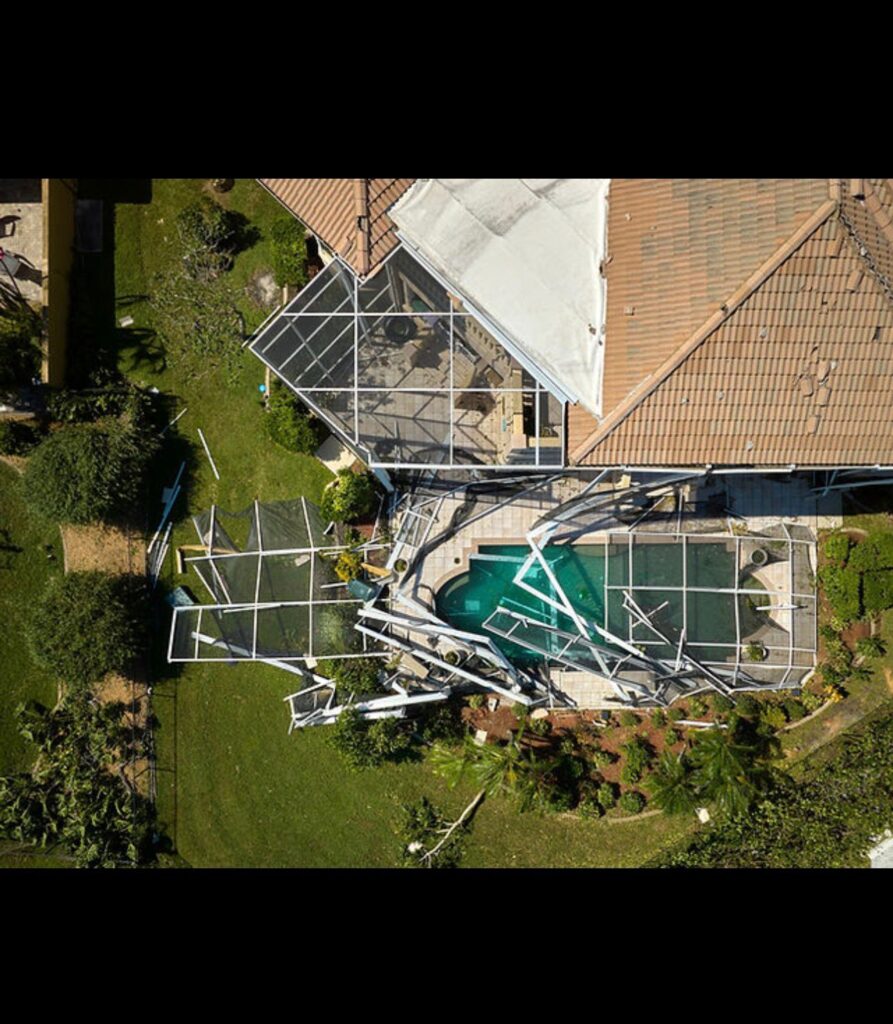
Mold and Insurance Claims in Cocoa: What Homeowners in Brevard County Should KnowMold and insurance claims are one of the most confusing topics homeowners face in Cocoa and across Brevard County. Many people assume that if mold is found, insurance will automatically cover it. Others avoid filing a claim altogether because they’ve heard mold is never covered. The reality is more nuanced—and understanding how insurance policies handle mold can make the difference between a successful claim and an expensive denial.In Florida’s humid climate, mold often follows water damage, and insurance decisions usually depend on what caused the moisture and how quickly it was addressed.⸻Why Mold and Insurance Are Closely LinkedInsurance companies don’t insure mold by itself—they insure sudden, covered water events that may lead to mold.In Cocoa homes, mold often develops after: • Plumbing leaks • Appliance failures • Storm-related water intrusion • Roof damage • AC drain line failuresWhether mold is covered depends on cause, timing, and documentation.⸻What Insurance Typically Looks AtWhen reviewing a mold-related claim, insurers focus on a few key questions: • What caused the water intrusion? • Was the cause sudden or gradual? • How quickly did the homeowner respond? • Was the damage documented properly? • Is the mold a result of a covered peril?Mold coverage is rarely about the mold itself—it’s about the source of moisture.⸻When Mold Is More Likely to Be CoveredMold may be covered when it results from a sudden and accidental event that is covered by the policy.Common Covered Scenarios • A burst pipe • A washing machine hose failure • A water heater rupture • Storm-related roof damage allowing water inside • Sudden AC drain line overflowIn these cases, insurance may cover: • Water damage repairs • Mold remediation related to the event • Removal of damaged materialsCoverage limits for mold are often capped, even when approved.⸻When Mold Is Commonly DeniedMold claims are often denied when the cause is considered long-term or preventable.Commonly Denied Scenarios • Long-term humidity issues • Slow plumbing leaks • Poor maintenance • Repeated condensation problems • Mold discovered months after water damage • Mold caused by turning AC off in vacant homesInsurance companies view these as maintenance issues, not sudden losses.⸻Mold Coverage Limits in Florida PoliciesEven when mold is covered, most policies include specific mold sub-limits.Typical limits may cover: • A portion of remediation costs • Limited testing or inspection • Removal of affected materialsThese limits can be much lower than the cost of full remediation, especially if mold has spread.⸻Why Timing Matters So MuchTiming is one of the biggest factors in mold claims.Delays can hurt claims because: • Mold can begin growing within 24–48 hours • Insurers may argue damage worsened due to inaction • Late discovery weakens cause-and-effect linksImmediate response and documentation strengthen claims.⸻What Homeowners Should Do After Water DamageStep 1: Stop the Water Source • Shut off water supply if needed • Prevent additional intrusionStep 2: Document Everything • Take photos and videos immediately • Record dates and times • Save repair invoices and reportsStep 3: Begin Drying Quickly • Use AC and dehumidification • Remove standing water • Don’t wait for visible moldStep 4: Notify Your Insurance Company • Report the incident promptly • Follow policy reporting timelinesEarly action protects both your home and your claim.⸻The Role of Mold Inspections in ClaimsProfessional inspections can help: • Identify moisture sources • Document damage extent • Establish timelines • Support claim documentationInspection reports often play a key role in insurance decisions.⸻Mold Testing and Insurance ClaimsTesting isn’t always required, but it can help when: • Mold is suspected but not visible • Indoor air quality is questioned • Disputes arise over mold presenceTesting can support claims but does not guarantee coverage.⸻Why DIY Cleanup Can Hurt Insurance ClaimsDIY cleanup can complicate claims.Problems include: • Removing evidence before documentation • Spreading mold further • Making damage appear maintenance-relatedIf insurance is involved, document first, clean second.⸻Vacant Homes and Mold Claims in CocoaVacant or seasonal homes face higher scrutiny.Common claim issues: • AC turned off completely • No humidity control • Delayed discovery of leaksInsurers may deny claims if vacancy contributed to mold growth.⸻Storms, Hurricanes, and Mold ClaimsAfter storms: • Wind-driven rain may be covered • Flooding may require separate flood insurance • Mold coverage depends on drying speed and responseDocument storm damage immediately—even if mold isn’t visible yet.⸻Working With AdjustersInsurance adjusters evaluate: • Cause of loss • Policy language • Damage documentation • Repair estimatesClear records and professional reports improve communication and outcomes.⸻What Insurance Does Not CoverMost policies do not cover: • Mold from ongoing humidity • Mold from poor ventilation • Mold from maintenance neglect • Mold from repeated unresolved leaksUnderstanding exclusions prevents surprises.⸻Preventing Mold-Related Claim IssuesPrevention Protects Coverage • Fix leaks immediately • Maintain HVAC systems • Keep humidity below 50% • Inspect after storms • Monitor vacant homesPrevention reduces both mold risk and claim disputes.⸻When to Get Professional HelpProfessional guidance is recommended when: • Mold follows water damage • Insurance claims are involved • Mold spreads beyond small areas • Documentation is neededEarly expertise often saves money and stress.⸻Why Mold and Insurance Disputes HappenMost disputes arise from: • Delayed reporting • Unclear moisture sources • Lack of documentation • Misunderstanding policy limitsBeing informed helps homeowners avoid these pitfalls.⸻Final Thoughts for Cocoa HomeownersMold and insurance claims in Cocoa don’t have to be overwhelming—but they do require speed, documentation, and understanding. Insurance coverage usually depends on what caused the moisture and how quickly it was addressed, not simply the presence of mold.By responding quickly to water damage, documenting thoroughly, and understanding policy limitations, homeowners in Brevard County can protect their homes and improve the chances of a successful insurance outcome.