
Mold and Insurance Claims in Cocoa: What Homeowners in Brevard County Should Know
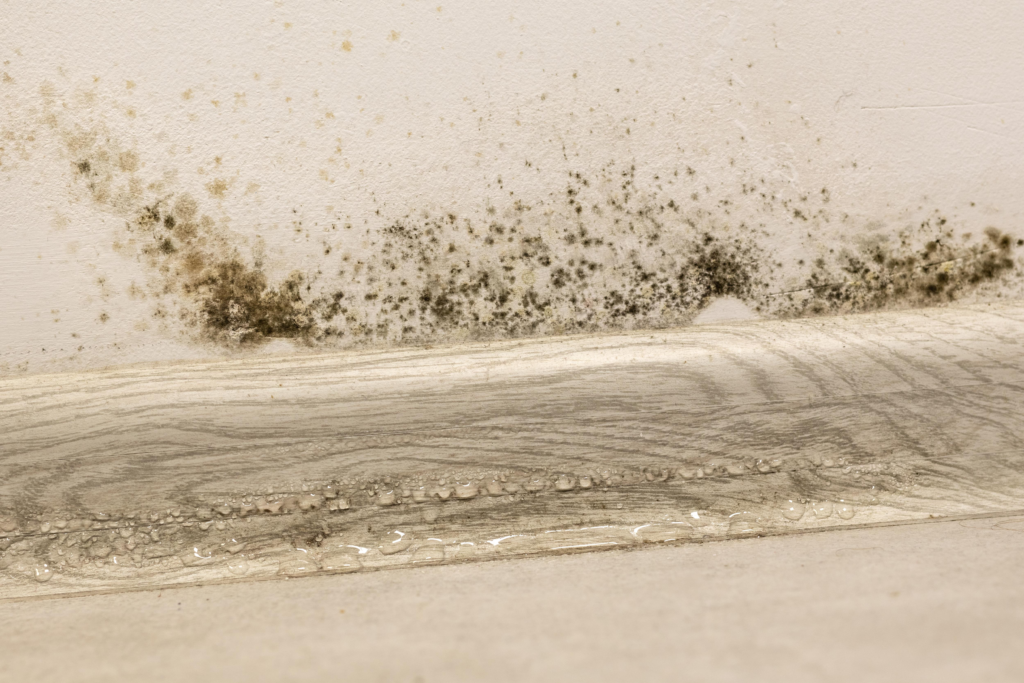
If you own a home in Cocoa, chances are you’ve wondered at some point: Does insurance cover mold?
It’s a fair question — especially in Brevard County, where heavy rain, hurricanes, high humidity, and constant AC use create real moisture challenges. From older homes near downtown Cocoa to riverfront properties along the Indian River, mold concerns often come up after storms or plumbing issues.
The truth is, mold and insurance claims can be complicated. Coverage depends heavily on what caused the mold, how quickly it was addressed, and what your policy includes.
Let’s walk through what Cocoa homeowners should understand — clearly and calmly — before mold becomes a stressful situation.
How Mold Typically Develops in Cocoa Homes
In Brevard County, mold most often follows moisture events such as:
- Hurricane-related roof leaks
- Wind-driven rain intrusion
- Plumbing line failures
- AC drain line clogs
- Slab moisture after heavy rainfall
- Slow leaks behind walls
Cocoa’s proximity to the Indian River Lagoon means ambient humidity stays high. Even minor moisture issues can escalate if materials aren’t dried quickly.
Sometimes mold develops within 24–48 hours of water exposure. Other times, it appears weeks later when hidden materials remain damp.
Insurance companies typically focus on the cause of moisture — not just the presence of mold.
When Insurance May Cover Mold
In general, insurance policies may provide coverage when mold results from a sudden and accidental event.
Examples may include:
- A burst pipe inside a wall
- An unexpected appliance leak
- Sudden roof damage during a hurricane
- Storm-related water intrusion
If the event is covered under your homeowner’s policy and you acted promptly to mitigate damage, mold remediation may be included — often up to a specific limit.
Policies in Florida frequently contain mold sub-limits, meaning coverage for mold may be capped at a certain dollar amount, even if the water damage itself is covered more broadly.
When Mold May Not Be Covered
Coverage may be limited or denied when mold results from:
- Long-term leaks
- Ongoing maintenance issues
- Gradual humidity buildup
- Poor ventilation
- Neglected repairs
For example, if a bathroom fan in a Cocoa Beach home vents into the attic for years and mold develops due to condensation, insurance may view that as a maintenance issue rather than a sudden event.
Similarly, slow plumbing leaks behind drywall in older Rockledge or Merritt Island homes may fall into a gray area if they weren’t addressed promptly.
Insurance policies typically require homeowners to maintain their property and prevent long-term damage.
Hurricanes and Mold Claims in Brevard County
After hurricanes in Cocoa, Titusville, Palm Bay, or Satellite Beach, many homeowners file claims for roof or water damage.
If storm-related damage allows water to enter and mold develops as a direct result, that mold may fall under the storm claim — provided it’s reported and documented properly.
However, timing matters.
Insurance carriers expect homeowners to:
- Mitigate damage quickly
- Dry affected materials
- Prevent further loss
Delays in drying or ignoring visible water intrusion can complicate coverage.
In Brevard County, post-storm inspections are important not just for structural repairs — but for moisture evaluation as well.
Why Documentation Matters
If you suspect mold after a water event in Cocoa, documentation is critical.
Homeowners should:
- Take clear photos of water damage
- Document the date of the event
- Keep records of repair estimates
- Save receipts for mitigation efforts
- Report claims promptly
Insurance adjusters evaluate cause and timeline.
The more clearly you can show that mold resulted from a covered, sudden event — and that you acted responsibly — the smoother the process tends to be.
The Role of Professional Mold Inspection
When mold appears after a water event, a structured inspection can provide clarity.
A professional mold inspection in Cocoa may include:
- Visual assessment of affected areas
- Moisture detection in walls and flooring
- Attic and crawl space evaluation
- HVAC inspection
- Air or surface sampling (when appropriate)
Inspection reports can help establish whether mold is consistent with recent water intrusion or long-term humidity conditions.
At Brevard Mold Inspections & Removal, evaluations focus on identifying the moisture source first — because the cause directly affects how insurance claims are handled.
Clear documentation from a licensed inspection company can support communication with insurance carriers.
Common Areas Where Insurance Questions Arise
In Brevard County homes, mold-related claims often involve:
Attics After Storm Damage
Roof leaks during hurricanes can lead to mold on roof decking if insulation remains damp.
Slab Moisture After Heavy Rain
Moisture rising through concrete slabs in Palm Bay or Viera may not be tied to a sudden event, complicating coverage.
AC Drain Line Overflows
Clogged condensate lines in Cocoa homes sometimes cause ceiling damage and mold — coverage may depend on whether the event was sudden.
Plumbing Failures
Burst pipes inside walls are more likely to qualify as sudden damage compared to slow leaks over months.
Understanding the distinction between sudden and gradual damage is key.
What Remediation Typically Involves
If mold is covered under a claim, remediation typically includes:
- Containment of affected areas
- Removal of damaged materials
- Cleaning of structural surfaces
- HEPA filtration
- Drying and dehumidification
- Correcting the moisture source
Insurance carriers may request documentation before and after remediation.
Ensuring proper containment and moisture correction prevents future claim complications.
Preventing Mold-Related Claim Issues
Homeowners in Cocoa and throughout Brevard County can reduce insurance complications by:
- Inspecting roofs annually
- Clearing gutters before storm season
- Servicing AC systems regularly
- Flushing AC drain lines
- Monitoring indoor humidity
- Addressing plumbing leaks immediately
- Inspecting attics after storms
Prompt attention to water events makes a major difference in claim outcomes.
Why Local Knowledge Matters
Mold claims in Brevard County are different from claims in dry inland states.
Here, we deal with:
- Coastal humidity
- Hurricane exposure
- Slab foundations
- High water tables
- Continuous AC operation
Homes in Cocoa differ from waterfront properties in Cape Canaveral or newer builds in Viera.
Understanding local construction styles and climate conditions helps determine whether mold resulted from a sudden storm event or ongoing humidity.
That distinction often affects insurance evaluation.
A Calm, Practical Approach
If you discover mold in your Cocoa home after a water event, don’t panic.
Start by:
- Identifying the likely source
- Documenting visible damage
- Contacting your insurance carrier promptly
- Scheduling a professional inspection
Clear information makes the process smoother.
Most mold situations are manageable when addressed quickly and correctly.
If you’d like an evaluation to help clarify moisture sources and mold conditions, Brevard Mold Inspections & Removal provides local, experienced inspections tailored specifically to Brevard County homes.
Living in Florida means preparing for storms — and understanding how moisture impacts your home afterward.