
Mold and Insurance Claims in Cocoa: What Homeowners in Brevard County Should Know
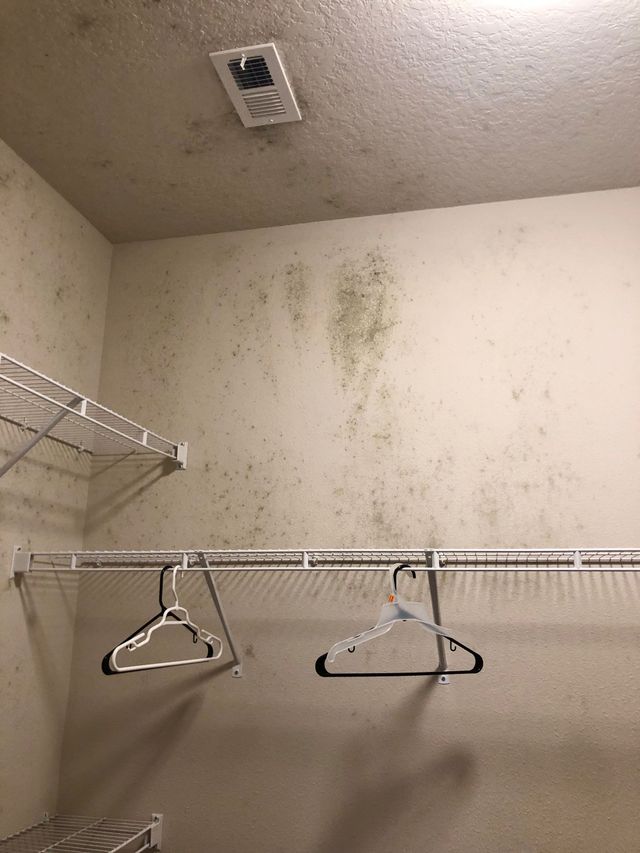
Mold and insurance claims can be a confusing and frustrating combination for homeowners in Cocoa. Many people assume that if mold shows up after a leak or storm, insurance will automatically cover it. Others avoid filing a claim altogether because they’re unsure how mold fits into their policy. In Brevard County, where humidity, storms, and water damage are common, misunderstandings around mold and insurance happen every day.
The reality is that mold coverage is closely tied to how and why the mold developed. Understanding how insurance companies typically view mold claims, what documentation matters, and where homeowners often run into problems can help you make informed decisions before small issues turn into major headaches.
Why Mold and Insurance Are Often Linked in Cocoa
Most mold problems in Cocoa begin with water damage. Roof leaks, plumbing failures, appliance overflows, AC drain line backups, and storm-related water intrusion are all common triggers.
Because mold grows quickly in Florida’s climate, it often develops within days of a water event. When homeowners discover mold later, they naturally look to insurance for help. However, insurance companies focus heavily on the original source of moisture and how quickly it was addressed.
In Cocoa homes, mold claims are rarely about mold alone. They’re about water damage first.
How Insurance Companies Typically View Mold
Insurance policies generally do not treat mold as a standalone event. Mold is usually considered a result of another problem, most often water intrusion.
Coverage often depends on whether the water damage was sudden and accidental, such as a burst pipe or a storm-related roof leak. In these cases, mold may be covered as part of the original water damage claim if it developed as a direct result.
Long-term moisture issues, maintenance problems, or slow leaks are more likely to be excluded. Mold that develops due to ongoing humidity, poor ventilation, or neglected repairs is often considered preventable from an insurance standpoint.
Common Water Events That Lead to Mold Claims
In Cocoa, insurance-related mold claims often follow storms. Wind-driven rain can enter through roofs, flashing, vents, or windows without causing immediate flooding.
Plumbing failures are another frequent cause. Supply line breaks, water heater leaks, or washing machine overflows can release large amounts of water quickly.
AC-related water damage is also common. Clogged drain lines or overflowing pans can repeatedly wet the same area, leading to mold before homeowners realize there’s a problem.
In each case, timing and documentation play a major role in how claims are handled.
Why Timing Matters So Much
Mold can begin growing within 24 to 48 hours after moisture intrusion in Florida. Insurance companies often look at how quickly the homeowner responded once the water damage occurred.
Delays in reporting leaks, drying affected areas, or seeking professional help can complicate claims. Insurers may argue that mold developed due to delayed action rather than the original water event.
This is why early assessment and documentation are so important after any water damage in a Cocoa home.
The Importance of Documentation
Documentation is one of the most critical parts of a mold-related insurance claim.
Photos of the initial water damage, visible moisture, and affected areas help establish when and how the problem began. Records of repairs, drying efforts, and professional inspections also matter.
Professional mold or moisture inspections can provide objective documentation showing where moisture was present, how extensive it was, and whether mold developed as a result of a specific event.
Clear documentation helps reduce disputes and confusion during the claims process.
Hidden Mold and Insurance Challenges
One of the biggest challenges in mold claims is hidden damage. Water often enters walls, ceilings, or flooring without obvious surface signs.
Homeowners may not discover mold until weeks later, when odors appear or visible growth finally shows. At that point, insurers may question when the damage actually occurred.
In Cocoa homes, hidden mold behind drywall, under flooring, or in attics is very common after storms or leaks. Professional inspections help identify these issues early and support claims when timing is unclear.
Mold Inspections and Their Role in Claims
A professional mold inspection focuses on moisture and building conditions, not just visible mold.
Inspectors evaluate walls, ceilings, flooring, attics, HVAC systems, and areas with known water exposure. Moisture meters and thermal imaging tools help locate damp materials that don’t look wet.
When appropriate, air or surface sampling may be used to support findings. While testing doesn’t determine coverage, inspection reports often become important supporting documents in insurance discussions.
An inspection provides clarity for homeowners before decisions are made.
What Insurance Usually Does Not Cover
Insurance policies commonly exclude mold caused by long-term moisture, poor maintenance, or high humidity alone.
Issues like chronic bathroom humidity, attic ventilation problems, slow plumbing leaks, or AC condensation that went unaddressed are often considered maintenance-related.
In Brevard County’s climate, this distinction is important. Mold that develops slowly over time is more likely to be denied than mold tied to a specific, documented water event.
Understanding this difference helps homeowners set realistic expectations.
Mold Remediation and Insurance Claims
When mold is covered, remediation is often tied to the scope of the original water damage claim.
Insurance may cover removal of mold-affected materials and drying of structures, but coverage limits and exclusions vary by policy. Some policies include specific mold caps or sub-limits.
Proper remediation focuses on both removing mold and correcting the moisture source. Without addressing the cause, mold is likely to return, regardless of insurance involvement.
Brevard Mold Inspections & Removal works with homeowners to document conditions clearly and focus on long-term solutions rather than temporary fixes.
Why DIY Cleanup Can Hurt a Claim
DIY mold cleanup can complicate insurance claims. Cleaning or removing materials before documentation may make it harder to prove the extent or cause of damage.
Scrubbing visible mold without addressing moisture also risks spreading mold to other areas, potentially increasing the scope of damage.
Before attempting cleanup after water damage, it’s often better to document conditions and seek professional guidance.
Steps Homeowners Should Take After Water Damage
After any water intrusion, even if it seems minor, homeowners should act quickly.
Stop the water source if possible, begin drying affected areas, and document everything with photos and notes. Monitoring for lingering moisture or odors is important in the days that follow.
If mold is suspected or moisture may be hidden, a professional inspection can provide clarity and support next steps.
Early action often makes a significant difference in both mold outcomes and insurance claims.
Why Local Experience in Brevard County Matters
Insurance claims involving mold in Cocoa are shaped by local conditions. Coastal humidity, storms, slab foundations, and year-round AC use all influence how water damage and mold develop.
Local experience means understanding how insurers view common Florida moisture scenarios and where mold is most likely to appear after water events.
Professionals familiar with Brevard County conditions can help homeowners navigate the situation with realistic expectations and clear documentation.
A Calm, Practical Takeaway
Mold and insurance claims in Cocoa don’t have to be overwhelming, but they do require timely action and accurate information. Mold is rarely the starting point — water damage is.
If your home has experienced a leak, storm intrusion, or AC-related water issue, understanding what’s happening beneath the surface is critical. Early assessment helps protect your home and supports informed decisions about insurance.
Homeowners across Brevard County benefit from clarity and preparation. Brevard Mold Inspections & Removal helps homeowners document mold and moisture conditions, understand their options, and take practical steps to protect their homes.
When it comes to mold and insurance, informed action is far more effective than waiting and hoping the problem resolves on its own.