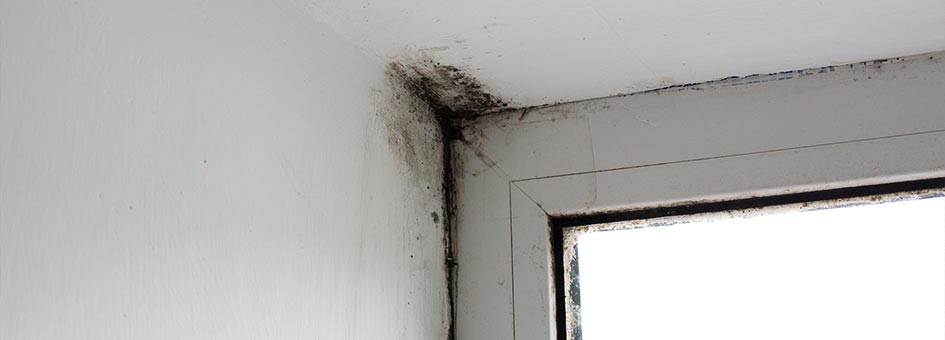
Mold and Insurance Claims in Cocoa: What Homeowners in Brevard County Should Know
In Cocoa, mold concerns often become more complicated once insurance enters the picture. Homeowners may discover mold after a roof leak, plumbing issue, or storm-related water intrusion and assume the insurance process will be straightforward. In reality, mold and insurance claims in Brevard County depend heavily on how the moisture occurred, how quickly it was addressed, and how well the situation is documented.
This doesn’t mean homeowners should panic or expect denial. It does mean understanding how mold situations are typically evaluated, what insurers look for, and how to approach the process calmly and responsibly. Knowing what matters before a claim is filed can help Cocoa homeowners avoid confusion and delays.
Why Mold Claims Are Often Misunderstood
Mold itself is rarely the starting point of an insurance claim. Instead, insurers focus on the water event that led to mold growth.
In Cocoa homes, mold often develops after:
- Plumbing leaks
- Roof damage from storms
- Appliance overflows
- AC condensate backups
- Water intrusion around windows or doors
The mold is viewed as a result, not the cause. How that result occurred is what insurers examine most closely.
How Insurance Companies Typically View Mold
Insurance carriers generally assess mold claims by looking at:
- The source of moisture
- Whether the water event was sudden or ongoing
- How quickly the homeowner responded
- Whether steps were taken to limit further damage
Mold related to a sudden, documented water event is often evaluated differently than mold tied to long-term moisture or deferred maintenance.
Common Water Events That Lead to Mold Claims in Cocoa
Cocoa’s climate creates several common scenarios where mold and insurance overlap.
Frequent triggers include:
- Storm-related roof leaks
- Broken or burst plumbing lines
- Appliance malfunctions
- AC drain line backups
- Wind-driven rain intrusion
These events may initially appear minor but can allow moisture to remain long enough for mold to develop.
Timing Matters More Than Many Homeowners Realize
One of the most important factors in mold-related claims is timing.
Insurers often look at:
- When the water damage occurred
- When it was first noticed
- What steps were taken to dry the area
- How long moisture remained
In Cocoa’s humid environment, mold can begin developing quickly if moisture isn’t addressed thoroughly. Delays—even unintentional ones—can complicate claims.
Why Hidden Mold Complicates Insurance Claims
Hidden mold is one of the biggest challenges for homeowners and insurers alike.
Hidden mold often grows:
- Behind drywall near plumbing
- Beneath laminate or vinyl flooring
- Inside wall cavities
- In attics after roof leaks
- Around HVAC systems
Because this mold isn’t immediately visible, homeowners may not realize moisture remained long after a water event. Insurers may ask questions about how long the condition existed and whether it could have been detected earlier.
Mold vs. Moisture: What Insurers Really Focus On
Insurance reviews focus far more on moisture behavior than on mold appearance.
Key questions often include:
- Was the moisture sudden or gradual?
- Was it related to a covered water event?
- Was drying attempted promptly?
- Did moisture continue unnoticed?
Understanding this helps homeowners communicate more clearly and avoid misunderstandings.
The Role of Documentation in Mold Claims
Good documentation is one of the most helpful things a homeowner can provide during a mold-related claim.
Helpful documentation may include:
- Photos of the original water damage
- Dates when issues were first noticed
- Records of repairs or drying efforts
- Inspection findings identifying moisture sources
- Reports connecting mold growth to the water event
Clear documentation helps establish timelines and conditions without speculation.
Why Mold Is Often Discovered Weeks Later
Many Cocoa homeowners are surprised when mold appears weeks after water damage.
This happens because:
- Surfaces dry but materials remain damp
- High humidity slows evaporation
- AC systems may not remove moisture effectively
- Mold grows out of sight before becoming visible
Delayed discovery doesn’t mean the homeowner ignored the issue—it reflects how moisture behaves in Florida homes.
HVAC Systems and Mold Claims
HVAC systems often play a role in mold-related insurance questions.
Mold linked to HVAC systems may involve:
- Condensate drain line backups
- Standing water in drain pans
- Condensation on ductwork
Because HVAC systems circulate air, insurers may evaluate whether the system contributed to spreading moisture or mold.
Roof Leaks and Mold After Storms
Storm-related roof leaks are a common starting point for mold concerns in Cocoa.
Challenges arise when:
- Leaks are small or intermittent
- Water enters insulation or wall cavities
- Damage isn’t immediately visible
Mold may not appear until long after the storm, making documentation especially important.
Why DIY Cleanup Can Complicate Claims
DIY mold or water cleanup can unintentionally complicate insurance claims.
Issues arise when:
- Visible mold is cleaned before documentation
- Moisture sources aren’t fully identified
- Hidden damage remains
- The original extent of damage becomes unclear
This doesn’t mean homeowners shouldn’t act—but it does mean careful documentation matters.
The Value of Professional Mold Inspections
A professional mold inspection helps clarify conditions, not assign blame.
An inspection may include:
- Moisture readings in walls and floors
- Identification of hidden damp areas
- Evaluation of HVAC involvement
- Attic inspections for roof-related moisture
- Clear explanation of how mold developed
This information can help homeowners understand what happened and communicate more clearly during the insurance process.
Brevard Mold Inspections & Removal works with Cocoa homeowners to evaluate mold conditions accurately, focusing on moisture sources, timelines, and practical next steps rather than assumptions.
Mold Testing and Insurance Claims
Mold testing isn’t always required for insurance purposes, but it can help in certain situations.
Testing may be useful when:
- Mold is suspected but not visible
- Hidden growth is likely
- HVAC involvement is suspected
- Post-remediation confirmation is needed
Testing is most effective when guided by inspection findings.
Remediation and Insurance Considerations
When mold remediation is needed, insurers typically focus on:
- Scope of affected areas
- Whether remediation addresses the moisture source
- Whether work is appropriate for the conditions
Remediation that corrects moisture problems is more likely to prevent future issues—regardless of claim outcome.
Preventing Mold-Related Claim Issues in the Future
While not all water events are preventable, claim complications can often be reduced.
Helpful steps include:
- Inspecting roofs and plumbing regularly
- Addressing leaks immediately
- Keeping AC systems maintained
- Monitoring indoor humidity
- Documenting water events early
- Scheduling inspections when moisture is suspected
Early action reduces uncertainty later.
Why Local Cocoa Experience Matters
Mold and moisture behave differently in Florida than in dry climates. Cocoa homes face challenges tied to humidity, storms, slab construction, and long cooling seasons.
Local professionals understand:
- How water intrusion occurs locally
- How humidity slows drying
- Where mold commonly develops after leaks
- How HVAC systems influence spread
Local knowledge leads to clearer evaluations and fewer surprises.
A Calm, Practical Takeaway for Homeowners
Mold and insurance claims in Cocoa don’t have to be overwhelming. Most situations come down to understanding how moisture entered the home, how long it remained, and what steps were taken afterward.
If you’ve experienced water damage and later discovered mold—or you’re unsure whether moisture remains—a professional inspection can provide clarity. Understanding conditions early is the most effective way to protect your home, reduce uncertainty, and move forward confidently in Brevard County’s humid environment.