
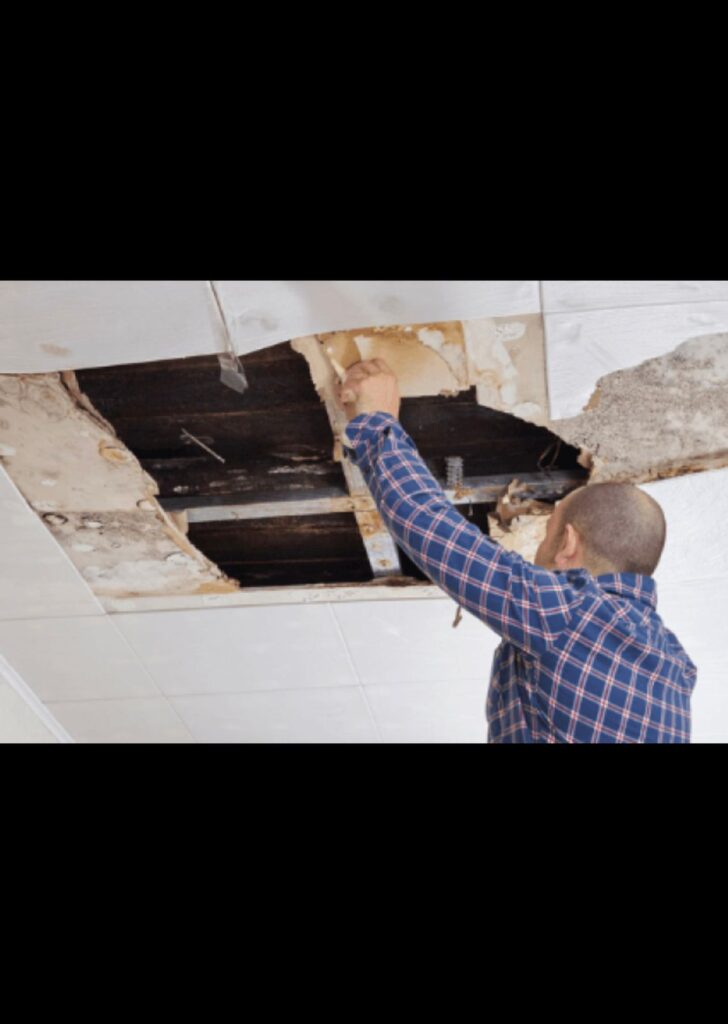
Mold and Insurance Claims in Rockledge: What Homeowners in Brevard County Should Know
Mold and insurance claims are a major source of confusion for homeowners in Rockledge and across Brevard County. Many people assume mold is automatically covered by insurance—others believe it’s never covered. The reality is more specific. In most cases, coverage depends on what caused the moisture, how quickly the problem was addressed, and how well everything was documented.
Understanding how insurance companies view mold, what is commonly covered, and where claims fail can help Rockledge homeowners avoid costly surprises.
⸻
Why Mold Insurance Claims Are Common in Rockledge
Rockledge homes face ongoing moisture pressure due to:
• High humidity most of the year
• Heavy seasonal rain and storms
• Wind-driven rain intrusion
• Roof and window aging
• Constant AC use and condensation
• Plumbing and appliance failures
Mold is rarely the starting point. In insurance claims, water damage is the trigger, and mold is considered a secondary issue.
⸻
How Insurance Companies View Mold
Insurance policies do not insure mold by itself. They insure sudden and accidental water damage that may result in mold.
In simple terms:
• Mold caused by a covered water event may be covered
• Mold caused by long-term moisture or neglect is usually excluded
The cause matters more than the presence of mold.
⸻
Covered vs. Excluded Mold Situations
Mold That May Be Covered
• Burst pipes
• Sudden plumbing failures
• Appliance malfunctions
• Storm-related water intrusion
• Accidental overflows
Coverage is more likely when homeowners act quickly and mitigate damage.
⸻
Mold That Is Usually Excluded
• Slow leaks over time
• High humidity or condensation
• Poor maintenance
• Long-standing roof issues
• Mold that existed before the claim
Insurers often deny claims by classifying mold as gradual or preventable damage.
⸻
Mold Coverage Limits in Florida Policies
Even when mold is covered, limits apply.
Common policy features include:
• Mold sub-limits (often $5,000–$10,000)
• Coverage only when mold results from a covered peril
• Strict reporting and mitigation requirements
These limits must often cover remediation, material removal, and sometimes testing—costs that add up quickly.
⸻
Timing: The Biggest Factor in Claim Approval
Timing can make or break a mold claim.
Insurance companies expect homeowners to:
• Stop the water source immediately
• Dry affected areas quickly
• Prevent further damage
• Report the claim promptly
Mold can begin growing within 24–48 hours. Delays allow insurers to argue secondary damage due to inaction.
⸻
What to Do Immediately After Water Damage
If water damage occurs in your Rockledge home:
1. Stop the water source
2. Photograph and document all damage
3. Begin drying affected areas immediately
4. Avoid removing materials before documentation
5. Notify your insurance company promptly
Clear timelines and documentation strengthen claims.
⸻
Why Mold Inspections Matter for Claims
A professional mold or moisture inspection can help establish:
• Source of the water damage
• Timeline of exposure
• Extent of contamination
• Whether damage appears sudden or long-term
This information can support or challenge an insurance decision.
⸻
Mold Testing and Insurance Claims
Testing isn’t always required, but it can help when:
• Mold is suspected but not visible
• Health complaints are involved
• Responsibility is disputed
• Documentation is needed
Some insurers request testing results to confirm indoor air quality concerns.
⸻
Proper Mold Remediation and Insurance Expectations
Insurance companies expect remediation to follow industry standards, not cosmetic cleanup.
Proper remediation typically includes:
• Containment to prevent spore spread
• HEPA air filtration
• Removal of contaminated materials when necessary
• Antimicrobial cleaning
• Correction of moisture sources
Incomplete remediation can jeopardize reimbursement and lead to recurring problems.
⸻
Common Reasons Mold Claims Are Denied
Mold claims in Rockledge are often denied due to:
• Late reporting
• Insufficient documentation
• Damage labeled as long-term
• Failure to mitigate moisture
• Pre-existing mold
• Maintenance-related issues
Understanding these factors helps homeowners avoid preventable denials.
⸻
Vacant and Seasonal Homes: Higher Claim Risk
Vacant homes face increased mold claim challenges.
Common issues include:
• AC turned off completely
• No humidity control
• Delayed discovery of leaks
Many policies include vacancy clauses, making fast response and monitoring critical.
⸻
Storm Damage and Mold Claims
After storms, insurers closely examine:
• Roof and exterior damage timelines
• When water intrusion occurred
• How quickly drying began
Delays caused by access issues or contractor shortages should still be documented carefully.
⸻
How to Strengthen a Mold Insurance Claim
Homeowners can improve claim outcomes by:
• Acting immediately after water damage
• Documenting damage with photos and videos
• Keeping repair and maintenance records
• Using qualified professionals
• Following mitigation guidelines
Clear evidence and fast action matter.
⸻
Preventing Future Mold Insurance Problems
Prevention protects both your home and future claims.
Key Prevention Steps
• Fix leaks immediately
• Maintain roofs, windows, and plumbing
• Keep indoor humidity below 50%
• Service HVAC systems regularly
• Inspect after storms
• Address musty odors early
Insurance is designed for accidents—not ongoing moisture problems.
⸻
When to Seek Professional Help
Professional guidance is recommended if:
• Mold spreads beyond small areas
• Coverage is questioned
• The moisture source is unclear
• Health concerns arise
• Claims are delayed or disputed
Early expert involvement reduces risk and cost.
⸻
Final Thoughts for Rockledge Homeowners
Mold and insurance claims in Rockledge depend far more on cause, timing, and documentation than on the mold itself. Homeowners who act quickly after water damage, document everything, and address moisture properly are far more likely to see successful claim outcomes.
Understanding how insurers evaluate mold helps homeowners make informed decisions—and avoid costly mistakes—when moisture problems arise.