
Mold and Insurance Claims in Rockledge: What Homeowners in Brevard County Should Know
Mold concerns often become insurance questions faster than homeowners expect. In Rockledge, many residents first think about insurance coverage after discovering mold—usually following a leak, storm, or plumbing issue. That’s when confusion sets in. What’s covered? What isn’t? And what documentation actually matters?
In Brevard County, mold and insurance claims are closely tied to how moisture entered the home and how quickly it was addressed. Understanding that relationship helps homeowners avoid surprises and navigate claims more smoothly.
Why Mold and Insurance Are Closely Linked in Rockledge
Mold itself is rarely the starting point of an insurance claim. The real issue is usually water damage.
Rockledge homes experience heavy rain, seasonal storms, aging plumbing, and constant AC use. Any of these can introduce moisture into walls, ceilings, attics, or flooring. Mold often develops later—sometimes weeks after the original event.
Brevard County insurers generally focus on:
- What caused the water intrusion
- Whether it was sudden or ongoing
- How quickly it was discovered and addressed
Mold becomes part of the claim only if it’s clearly connected to a covered water event.
Common Water Events That Lead to Mold Claims
Insurance-related mold issues in Rockledge usually stem from specific scenarios.
Sudden plumbing failures—such as burst pipes, supply line breaks, or appliance hose failures—are common triggers. These events introduce large amounts of water quickly, often soaking drywall, flooring, or cabinets.
Roof damage from storms can also lead to claims, especially when wind-driven rain enters attics or walls. Mold may not appear until later, but the original storm damage is the key factor.
HVAC-related water damage is another frequent cause. Clogged condensate drain lines or cracked drain pans can leak water into ceilings or walls. Whether this is covered often depends on policy language and maintenance history.
Why Ongoing Moisture Often Causes Claim Problems
One of the biggest challenges with mold and insurance claims is distinguishing sudden damage from long-term conditions.
Insurance policies typically exclude damage caused by ongoing leaks, humidity, or deferred maintenance. If moisture has been present for months—such as a slow plumbing leak or chronic condensation—coverage is often denied.
In Rockledge homes, this distinction matters because Florida’s humidity can hide moisture problems. Homeowners may not realize water has been present until mold appears, even though the leak started much earlier.
From an insurance standpoint, timing and cause are critical.
How Mold Usually Enters the Insurance Conversation
Mold is rarely discovered at the same time as the water event.
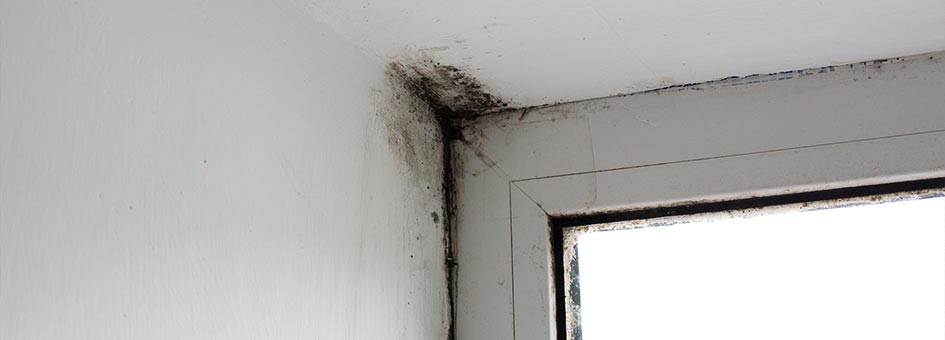
Homeowners often clean up visible water, repair the source, and move on. Weeks later, musty odors appear, paint begins to bubble, or dark staining shows up on walls or ceilings. That’s when mold is suspected.
At that point, insurance adjusters want to know:
- When the original water damage occurred
- Whether drying was performed
- Whether moisture remained inside building materials
The clearer that timeline is, the easier it is to determine how mold fits into the claim.
Documentation Matters More Than Mold Labels
Insurance decisions are not based on mold color or type.
Terms like “black mold” or “toxic mold” carry little weight in insurance claims. What matters is documentation showing cause, extent, and timing.
Photos of water damage, repair invoices, drying records, and inspection reports all help establish what happened. Without documentation, insurers may view mold as a maintenance issue rather than a covered loss.
In Rockledge, many claim disputes come down to lack of clear moisture documentation rather than mold itself.
The Role of Mold Inspections in Insurance Claims
A professional mold inspection can be helpful—but timing and purpose matter.
Inspections help identify:
- Where mold is present
- How extensive it is
- Whether moisture conditions are still active
Moisture meters and thermal imaging are often more important than lab testing when insurance is involved. These tools help show whether materials were wet recently or remain damp.
When appropriate, air or surface samples may be collected and sent to an independent laboratory to document mold presence. This can support claim files, especially when mold is hidden.
Local professionals such as Brevard Mold Inspections & Removal focus on documenting conditions clearly rather than speculating about coverage.
Why Mold Testing Alone Rarely Determines Coverage
Homeowners sometimes assume mold testing will decide whether insurance pays. In reality, lab results rarely determine coverage.
Testing identifies mold types and concentrations, but it doesn’t explain why mold grew or when moisture occurred. Insurance decisions hinge on cause and timing, not spore counts.
A test result without moisture context can even complicate claims by raising questions without answering the most important ones.
Testing is most useful when paired with a thorough inspection and moisture assessment.
How Adjusters Typically View Mold in Rockledge Homes
Insurance adjusters are trained to look for patterns.
Widespread mold across large areas often suggests long-term humidity or condensation issues rather than a single event. Localized mold near a known leak may be viewed differently.
In Rockledge, slab foundations, attics, and HVAC systems are closely examined because they commonly hide moisture. Adjusters often look for signs of repeated wetting rather than one-time exposure.
Understanding this perspective helps homeowners communicate more effectively during claims.
Why DIY Cleanup Can Complicate Insurance Claims
DIY mold cleanup can unintentionally weaken an insurance claim.
Cleaning or removing materials before documentation may eliminate evidence of water damage or moisture patterns. Once materials are gone, it’s harder to show what caused the problem.
DIY efforts may also be interpreted as delayed reporting or improper mitigation, depending on the situation.
Before removing mold-damaged materials in a potential claim scenario, documentation and professional evaluation are usually the safer path.
Mold Exclusions and Coverage Limits to Be Aware Of
Many Florida insurance policies include mold limitations.
Some policies cap mold-related coverage at a specific dollar amount. Others exclude mold entirely unless it results directly from a covered peril and was promptly addressed.
Policy language varies widely. Understanding your specific coverage before a problem occurs helps avoid surprises later.
In Rockledge, where humidity-related mold is common, reviewing policy details proactively is often worthwhile.
What Homeowners Can Do to Protect Their Claim Position
Preparation makes a difference.
Promptly addressing water damage—drying affected areas quickly and documenting the process—helps show reasonable mitigation. Keeping records of repairs and maintenance supports your position if questions arise later.
After storms or leaks, inspecting attics, walls, and flooring helps catch moisture early. The sooner moisture is identified, the easier it is to document cause and limit mold growth.
Professional inspections after significant water events often provide clarity and documentation that homeowners can’t easily gather themselves.
Preventing Mold-Related Insurance Issues Going Forward
Prevention reduces both mold risk and claim complexity.
Regular HVAC maintenance helps prevent condensation-related leaks. Drain lines should be kept clear, and attic insulation and ventilation should remain intact.
Roof inspections after storms help identify damage before water enters the home. Plumbing systems should be monitored for slow leaks, especially in older Rockledge homes.
These steps reduce the chance of mold developing—and the need to involve insurance at all.
Why Local Experience Matters With Insurance-Related Mold
Insurance claims don’t happen in a vacuum.
Rockledge homes face Florida humidity, frequent storms, slab foundations, and heavy AC use. Local experience helps professionals recognize moisture patterns that are common here and document them accurately.
What might be considered unusual elsewhere is often typical in Brevard County—and that context matters when claims are reviewed.
A Practical Takeaway for Rockledge Homeowners
Mold and insurance claims in Rockledge are rarely about mold alone. They’re about moisture—how it entered the home, how long it stayed, and how it was handled.
If your home experiences water damage, early documentation and professional evaluation provide the best foundation for any future claim. Understanding how insurers view mold helps homeowners make informed decisions and avoid unnecessary complications.
With clear information, timely action, and local expertise, Rockledge homeowners can navigate mold-related insurance issues with far less stress and far better outcomes.