
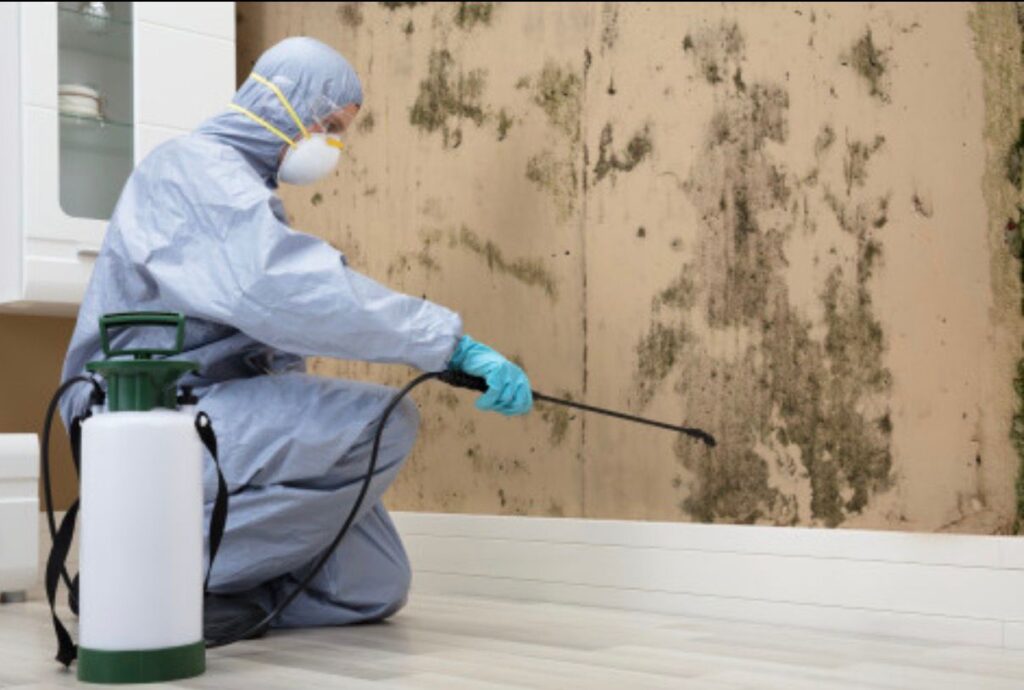
Mold and Insurance Claims in Rockledge: What Homeowners in Brevard County Should KnowMold and insurance claims are a confusing and often frustrating topic for homeowners in Rockledge and throughout Brevard County. Florida’s heat, humidity, heavy rainfall, and storm activity make mold a common issue, yet many homeowners discover too late that mold coverage under insurance policies is limited or misunderstood. Knowing how mold claims work, what is typically covered, and how to protect yourself before a loss occurs can make a major difference financially and legally.⸻Why Mold Claims Are Common in RockledgeRockledge homes face persistent moisture challenges. High humidity, intense summer storms, aging plumbing systems, and frequent air conditioning use create conditions where mold can grow quickly. In many cases, mold develops after a water-related event such as a plumbing leak, roof damage, or HVAC condensation problem.Mold often becomes visible days or weeks after the initial moisture event. By the time homeowners notice staining, odors, or health symptoms, the damage may already be extensive. Insurance companies then focus on the cause, timing, and homeowner response to determine whether coverage applies.⸻How Insurance Policies Typically Treat MoldMost homeowners insurance policies in Florida do not offer broad mold coverage. Mold is usually addressed indirectly, meaning coverage depends on what caused the mold rather than the mold itself.In general, insurance may cover mold damage when it results from a sudden and accidental covered peril, such as: • A burst pipe • An appliance malfunction • Storm-related roof damage allowing water intrusion • Sudden HVAC system failuresHowever, insurance usually does not cover mold caused by long-term moisture issues, neglect, or poor maintenance. Examples of commonly excluded situations include slow plumbing leaks, ongoing roof leaks, high indoor humidity, or repeated condensation problems.Even when mold is covered, policies often include strict coverage limits, sometimes as low as a few thousand dollars.⸻Common Reasons Mold Claims Are DeniedHomeowners in Rockledge frequently experience claim denials due to policy exclusions or documentation issues. The most common reasons include:Failure to report the water damage promptlyEvidence of long-term or repeated moisture exposureLack of maintenance or unrepaired leaksMold discovered long after the original eventInsufficient documentation linking mold to a covered perilInsurance adjusters often look for signs that moisture existed for an extended period. Discoloration, rot, corrosion, or widespread mold growth can be interpreted as evidence of neglect rather than a sudden loss.⸻The Importance of Acting QuicklyTiming is critical when dealing with mold and insurance claims. Mold can begin growing within 24 to 48 hours of water exposure. Insurance policies typically require homeowners to take reasonable steps to prevent further damage.This means homeowners should:Stop the source of water immediatelyDry affected areas as quickly as possibleDocument damage with photos and videosNotify the insurance company promptlyDelays can give insurers grounds to deny claims, arguing that additional mold growth resulted from inaction rather than the original covered event.⸻Documentation That Strengthens Mold ClaimsProper documentation plays a major role in claim outcomes. Homeowners should gather and retain:Photos and videos of the initial water damageImages showing mold progressionRepair estimates and remediation reportsMoisture readings and inspection findingsInvoices for emergency drying or mitigationProfessional mold inspections can be especially valuable. Independent documentation helps establish timelines, identifies moisture sources, and supports the argument that mold resulted from a covered loss.⸻Mold Testing and Insurance ClaimsInsurance companies do not always require mold testing, but testing can be useful in disputes or complex claims. Mold testing may help confirm the presence of mold, identify affected areas, and support remediation scopes.However, insurance coverage usually focuses on the cause of moisture rather than the mold species. Testing alone does not guarantee coverage, but it can strengthen documentation and clarify the extent of contamination.⸻Mold Remediation and Claim LimitationsEven when a mold claim is approved, coverage is often limited. Policies may cap mold remediation costs, restrict coverage to certain areas, or exclude replacement of materials unless directly damaged by the covered event.Homeowners should carefully review policy language related to:Mold sub-limitsWater damage exclusionsMaintenance responsibilitiesDuties after lossUnderstanding these details helps set realistic expectations and prevents surprises during the claims process.⸻Preventing Mold-Related Insurance IssuesPrevention is the most effective way to avoid claim disputes. Homeowners in Rockledge can reduce risk by:Inspecting plumbing, roofs, and HVAC systems regularlyAddressing leaks immediately, no matter how smallKeeping indoor humidity controlledEnsuring proper ventilation in bathrooms and kitchensMonitoring attics, crawl spaces, and utility roomsDocumenting maintenance and repairsKeeping records of inspections and repairs demonstrates responsible homeownership and can support future claims if a sudden loss occurs.⸻When to Seek Professional HelpHomeowners may consider professional assistance when:A mold claim is denied or underpaidThe cause of moisture is disputedMold damage is extensive or recurringPolicy language is unclear or conflictingIndependent inspections, remediation reports, and moisture assessments can provide clarity and support claim negotiations.⸻Mold Claims and Home ValueMold damage can impact home value, especially if repairs are incomplete or poorly documented. Buyers, inspectors, and lenders often scrutinize properties with prior mold issues. Proper remediation, clear documentation, and correction of moisture sources help protect resale value and future insurability.⸻Final ThoughtsMold and insurance claims in Rockledge require careful attention, fast action, and a clear understanding of policy limitations. In Brevard County’s humid climate, mold often follows water damage, but insurance coverage depends on cause, timing, and homeowner response. Staying proactive, documenting issues thoroughly, and addressing moisture problems immediately are the best ways to protect your home, your finances, and your peace of mind.