
Mold and Insurance Claims in Rockledge: What Homeowners in Brevard County Should Know
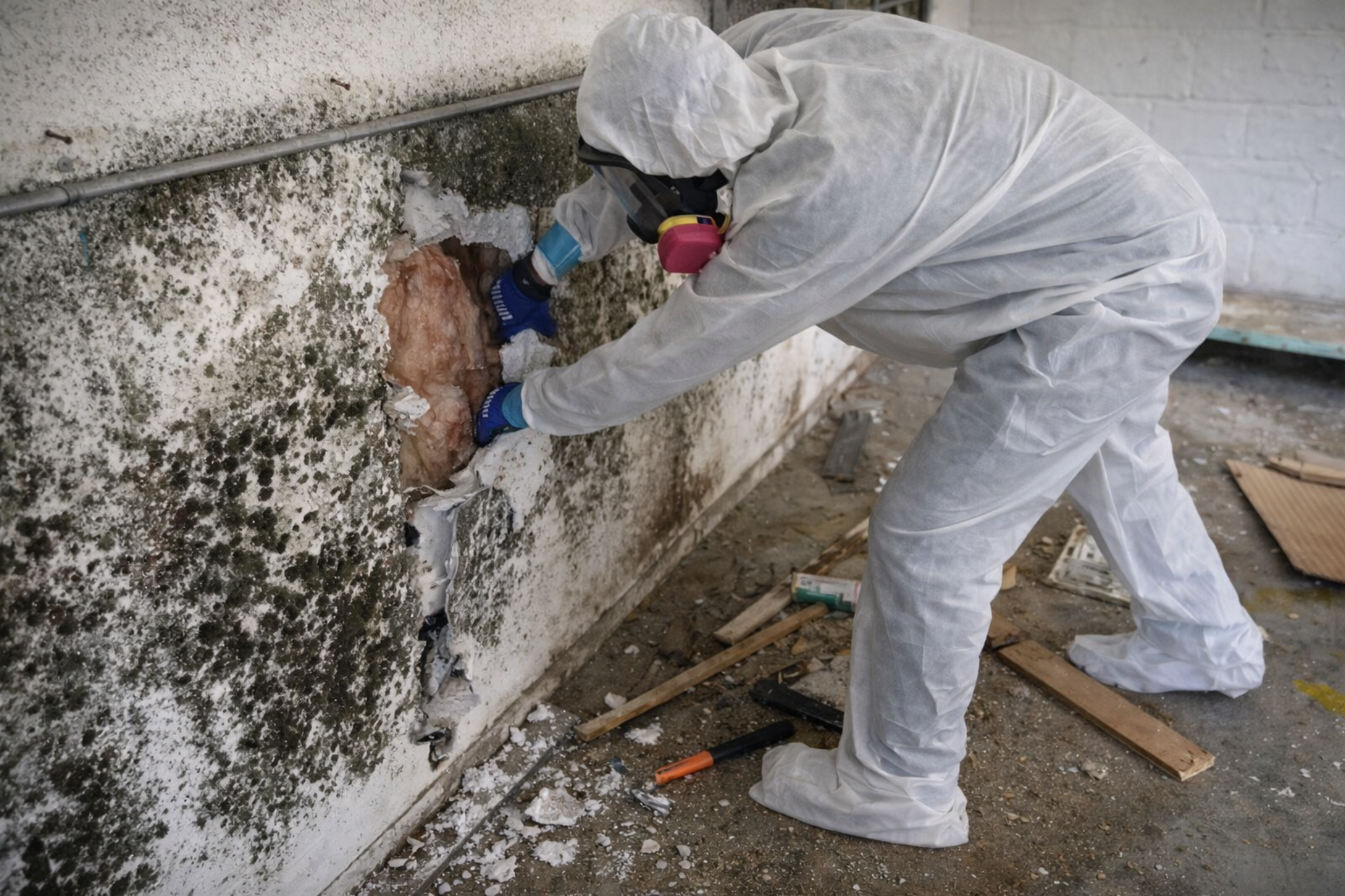
Mold problems are a frequent concern for homeowners in Rockledge and throughout Brevard County, especially due to Florida’s humidity, heavy rainfall, and storm activity. While mold itself is stressful enough, insurance claims involving mold can be confusing, frustrating, and often misunderstood.
Many homeowners assume mold damage is automatically covered. In reality, insurance coverage depends heavily on what caused the mold, how quickly the damage was reported, and how the situation was handled. Understanding how mold and insurance claims work in Rockledge can help homeowners protect their finances and avoid costly mistakes.
Why Mold Insurance Claims Are Common in Rockledge
Rockledge homes face several conditions that increase mold risk:
- High year-round humidity
- Heavy rain and seasonal storms
- Roof leaks and wind-driven rain
- Plumbing leaks inside walls
- AC condensation and drain line issues
- Slab foundations trapping moisture
Even small moisture problems can lead to mold growth behind walls or under floors, often before homeowners realize anything is wrong.
What Homeowners Insurance May Cover
Insurance coverage for mold depends on the cause of the moisture, not the mold itself.
Mold may be covered when it results from a sudden, accidental, and covered event, such as:
- A burst or broken pipe
- Storm-related roof or window damage
- Wind-driven rain entering the home
- Sudden AC drain line overflow
- Appliance malfunctions
In these situations, insurance may cover:
- Mold inspection related to the loss
- Mold remediation
- Repairs to damaged materials
- Temporary living expenses (if applicable)
Many policies include mold coverage limits, so payouts may be capped.
What Insurance Typically Does Not Cover
Mold claims are commonly denied when mold is linked to:
- Long-term or slow leaks
- High humidity without a sudden event
- Poor maintenance
- Deferred or delayed repairs
- Gradual moisture intrusion
In Florida, insurers often classify humidity-related mold as a maintenance issue, not a covered loss.
Why Timing Is Critical for Mold Claims
One of the most important factors in mold insurance claims is how quickly the damage is reported.
Insurance companies closely examine:
- When the water damage occurred
- When it was discovered
- How soon the claim was filed
- Whether steps were taken to prevent further damage
Delays can lead insurers to argue that mold resulted from neglect rather than a covered event.
How Insurance Companies Investigate Mold Claims
When a mold claim is filed, insurers typically review:
Cause of Loss
Was the mold caused by a sudden event or by ongoing moisture?
Extent of Damage
How widespread is the mold, and how long does it appear to have been growing?
Documentation
Photos, videos, inspection reports, and repair records matter.
Maintenance History
Unrepaired leaks or recurring issues can weaken a claim.
Because mold can grow within 24–48 hours, insurers expect homeowners to act quickly.
Steps to Take If You Discover Mold
If you find mold in your Rockledge home, take these steps immediately:
- Document everything with photos and videos
- Stop the moisture source if it’s safe to do so
- Avoid disturbing visible mold
- Contact your insurance company promptly
- Schedule a professional inspection
- Keep records of all communication and repairs
These steps help protect your claim and preserve evidence.
Why DIY Cleanup Can Hurt Insurance Claims
Many homeowners try to clean mold themselves before filing a claim. This often backfires.
DIY cleanup can:
- Destroy evidence of the moisture source
- Make mold appear maintenance-related
- Spread mold spores
- Lead to partial or full claim denial
Insurance companies may argue that improper cleanup worsened the damage or eliminated proof of coverage.
Common Mold Claim Scenarios in Rockledge
Storm-Damaged Roof
Wind-driven rain enters through damaged roofing and leads to mold.
✔ Often covered if reported promptly.
Burst Pipe
Sudden pipe failure causes water damage and mold.
✔ Commonly covered.
Slow Plumbing Leak
A leak under a sink causes mold over months.
✘ Usually denied due to long-term moisture.
Mold Coverage Limits and Policy Details
Many Florida insurance policies include specific mold sub-limits, meaning coverage for mold may be capped at a lower amount than other damages.
Some homeowners purchase endorsements that increase mold coverage. Reviewing your policy before issues arise can prevent surprises later.
When Professional Documentation Helps
Professional involvement strengthens mold insurance claims by providing:
- Independent identification of the moisture source
- Detailed inspection reports
- Moisture readings and photos
- Proper remediation estimates
This documentation can reduce disputes and speed up claim decisions.
Preventing Mold-Related Insurance Problems
Homeowners in Rockledge can reduce insurance issues by:
- Fixing leaks immediately
- Maintaining HVAC systems
- Running dehumidifiers year-round
- Keeping indoor humidity below 55%
- Inspecting homes after storms
- Keeping maintenance records
Preventive action protects both your home and your insurance coverage.
Long-Term Risks of Mishandling Mold Claims
Failing to handle mold properly can lead to:
- Health concerns
- Structural damage
- Reduced property value
- Expensive out-of-pocket repairs
- Future claim denials
Insurance companies expect homeowners to mitigate damage quickly.
Conclusion
Mold and insurance claims in Rockledge and Brevard County can be complex, but understanding how coverage works makes a significant difference. Mold is typically covered only when it’s linked to a sudden, accidental event and reported promptly.
By acting quickly, documenting thoroughly, avoiding DIY cleanup, and understanding policy limitations, homeowners can protect both their homes and their financial interests. In Florida’s climate, timing, documentation, and proper response are everything when mold is involved.