
Mold and Insurance Claims in Rockledge: What Homeowners in Brevard County Should Know
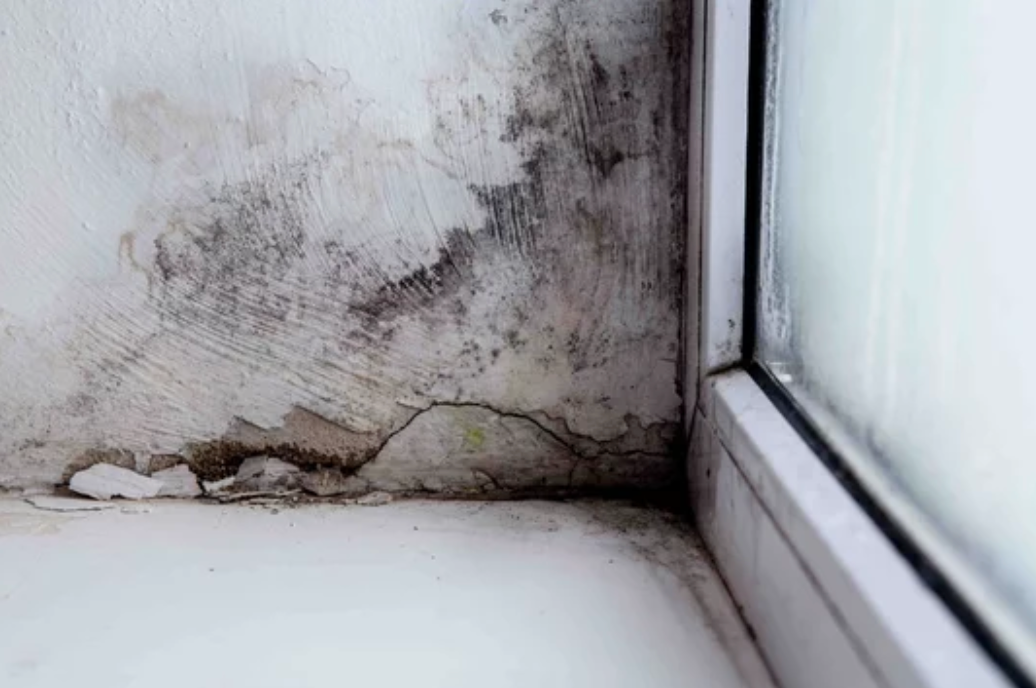
Mold and insurance claims often go together, but many homeowners in Rockledge feel confused about how coverage works. The biggest misunderstanding is assuming that insurance covers all mold damage automatically. In reality, most policies focus on what caused the mold, not just the mold itself.
I’ve seen homeowners surprised when a claim was denied because the original moisture source wasn’t considered sudden or accidental. Ever wonder why two homes with similar mold problems receive different claim decisions? The cause of the moisture usually explains the difference.
Let’s walk through what homeowners in Brevard County should understand about mold and insurance claims.
How Mold Relates to Insurance Coverage
Insurance companies generally look at the source of water or moisture when evaluating a claim. Mold that develops from a covered water event may be included, while mold from long-term humidity or maintenance issues often is not.
Situations that may be covered:
- Sudden plumbing leaks
- Appliance failures
- Storm-related water intrusion
Situations often not covered:
- Long-term leaks
- Poor ventilation or humidity issues
- Deferred maintenance
Policies vary, so reviewing coverage details always helps clarify expectations.
Rhetorical question time: if mold develops slowly over months, would an insurer consider it sudden damage? Usually not.
Why Documentation Matters
When mold appears after water damage, documentation becomes extremely important. Insurance providers often require evidence showing:
- When the water event occurred
- What caused it
- What steps were taken to mitigate damage
Helpful documentation may include:
- Photos of the affected area
- Inspection reports
- Moisture readings
- Repair invoices
Clear records often help claims move more smoothly.
The Role of Mold Inspection in Claims
Mold inspection helps identify:
- The source of moisture
- The extent of contamination
- Areas affected by mold growth
Inspection reports can provide useful information during the claims process by explaining how and where mold developed.
Testing may also help confirm airborne mold levels when indoor air quality becomes a concern.
Together, inspection and testing provide objective information rather than assumptions.
Why Quick Response Improves Claim Outcomes
After water damage, acting quickly helps reduce both damage and complications during insurance claims.
Recommended steps include:
- Stopping the source of water
- Drying affected areas promptly
- Documenting the damage
- Scheduling inspection if mold is suspected
Delays can allow mold to spread, which may complicate coverage decisions.
FYI, drying and mitigation within the first 24–48 hours often makes a significant difference.
Common Causes of Mold Claims in Rockledge Homes
In Brevard County, mold-related insurance claims most often follow:
- Roof leaks after storms
- Plumbing line failures
- Appliance leaks
- Water heater issues
These events introduce sudden moisture, which increases the chance that insurance coverage may apply, depending on the policy.
Ever notice how most claims follow a specific event rather than gradual problems? That pattern appears consistently.
Why Mold Sometimes Appears Weeks After Water Damage
One of the most frustrating situations homeowners face is mold appearing weeks after a leak that seemed resolved. This happens because moisture often remains trapped inside building materials even after surfaces feel dry.
Materials that hold moisture include:
- Drywall
- Insulation
- Subflooring
- Wood framing
Mold develops slowly in these materials, which is why inspection after water damage often becomes important.
Mold Removal and Remediation After a Claim
When mold is confirmed, remediation typically includes:
- Removing mold-damaged materials
- Cleaning affected surfaces
- Addressing moisture sources
- Improving ventilation or drainage
Containment and air filtration may also be used to prevent spores from spreading during the process.
The goal is to restore the home to safe, dry conditions.
Preventing Mold After Water Damage
Preventive steps help reduce the likelihood of mold after a water event:
- Dry affected areas thoroughly
- Monitor humidity levels
- Maintain HVAC systems
- Inspect hidden areas after leaks
These steps reduce the chance of mold developing and may also simplify insurance claims if damage occurs later.
Ever notice how homes that dry quickly rarely develop strong musty odors? Fast drying makes a big difference.
Why Understanding Your Policy Helps
Homeowners often learn about mold coverage only after damage occurs. Reviewing policy details in advance helps clarify:
- Coverage limits
- Exclusions
- Deductibles
- Required documentation
Knowing these details early helps homeowners act faster and avoid surprises during claims.
Final Thoughts
Mold and insurance claims in Rockledge homes depend largely on the cause of the moisture and how quickly homeowners respond. Sudden water events, prompt drying, and proper documentation.
Understanding how mold develops, how policies evaluate claims, and how inspection supports documentation helps homeowners navigate the process with greater confidence.