
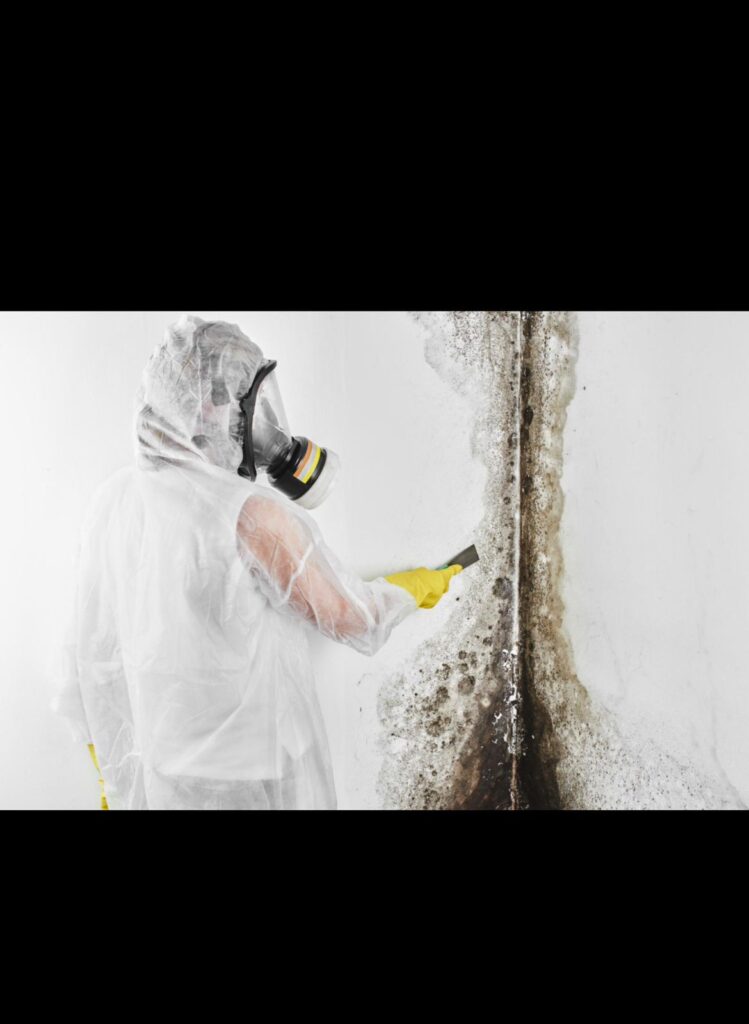
Mold and Insurance Claims in Rockledge: What Homeowners in Brevard County Should KnowMold and insurance claims are a common source of confusion for homeowners in Rockledge and throughout Brevard County. Many homeowners assume mold damage is automatically covered, only to find claims delayed, limited, or denied. In Florida’s humid climate, understanding how insurance companies evaluate mold-related claims is critical to protecting your home and avoiding unexpected expenses.This guide explains when mold is typically covered, when it is not, and what Rockledge homeowners should know to improve insurance claim outcomes.⸻Why Mold Claims Are Common in RockledgeRockledge homes face frequent moisture exposure.Common contributing factors include: • Heavy rain and storm activity • Roof leaks and flashing failures • Plumbing leaks behind walls • Water heater and appliance failures • AC condensation and clogged drain lines • High indoor humidityMold often develops after water damage, which is why insurers focus on the cause of moisture, not the mold itself.⸻How Insurance Companies View MoldMost insurance policies do not cover mold as a standalone issue.Insurance decisions are based on: • What caused the water intrusion • Whether the event was sudden or gradual • How quickly the homeowner responded • Whether maintenance issues were involved • Policy-specific mold exclusions or limitsMold is generally treated as a result of water damage, not a separate loss.⸻When Mold Is Typically CoveredMold may be covered when it results from a sudden and accidental event, such as: • Burst or broken pipes • Sudden plumbing failures • Water heater ruptures • Appliance hose failures • Storm-related roof damageIn these situations, mold remediation may be covered up to policy limits, especially when the homeowner acts promptly.⸻When Mold Claims Are Commonly DeniedMold claims are often denied when insurers determine the issue resulted from: • Long-term or slow leaks • Gradual plumbing failures • Poor maintenance • Ongoing humidity issues • Delayed repairs • Pre-existing mold conditionsInsurers frequently deny claims if damage appears to have developed over time.⸻Why Timing Is Critical for Mold ClaimsResponse time is one of the most important factors in claim approval.Delays can result in: • Mold growth within days • Claims labeled as neglect • Reduced or denied coverage • Increased out-of-pocket costsHomeowners should act immediately after discovering water damage.⸻What Homeowners Should Do After Water DamageTaking the right steps early improves claim success.Key actions include: • Stop the water source immediately • Document damage with photos and videos • Notify your insurance company promptly • Begin drying affected areas • Keep all receipts and repair records • Avoid discarding damaged materials before inspectionDocumentation is essential for supporting mold-related claims.⸻Mold Inspections and Insurance ClaimsProfessional inspections can strengthen claims.Inspections help by: • Documenting mold presence • Identifying moisture sources • Establishing timelines • Providing written reports insurers rely on • Supporting cause-of-loss determinationsInsurance adjusters often request third-party documentation during mold claims.⸻Mold Testing and Insurance ClaimsTesting is not always required, but may be useful when: • Mold is suspected but not visible • Odors persist without a clear source • Health complaints are involved • Claim disputes arise • Legal or real estate documentation is neededVisible mold generally does not require testing to justify remediation.⸻Mold Coverage Limits and CapsMany Florida policies include mold coverage caps.Common limitations include: • Dollar limits on mold remediation • Restrictions on testing costs • Exclusions for repeated mold claims • Specific mitigation requirementsHomeowners should review policy language carefully to understand mold-related limits.⸻Flood Insurance and MoldStandard homeowners insurance does not cover flood damage.Flood-related mold may be covered only if: • A separate flood insurance policy is in place • Mold results directly from covered flood damage • Proper mitigation steps were takenFlood and storm claims are handled differently.⸻Common Mistakes That Hurt Mold ClaimsHomeowners often unintentionally weaken claims by: • Waiting too long to report damage • Attempting DIY cleanup before documentation • Ignoring slow leaks • Failing to dry hidden areas • Disposing of damaged materials too early • Not following insurer instructionsThese actions make it harder to prove coverage eligibility.⸻Working With Insurance AdjustersClear communication helps reduce disputes.Helpful practices include: • Providing complete documentation • Keeping written records of conversations • Asking for explanations in writing • Understanding policy language • Avoiding assumptions about coverageProfessional inspection reports often carry more weight than verbal descriptions.⸻Preventing Future Mold Claim IssuesPrevention reduces disputes and repair costs.Effective strategies include: • Routine plumbing and roof inspections • Maintaining AC systems and drain lines • Keeping indoor humidity between 30–50% • Addressing leaks immediately • Inspecting after storms • Documenting routine maintenancePreventive maintenance strengthens future claims.⸻Why Professional Help MattersProfessional inspections and remediation: • Limit mold spread • Protect indoor air quality • Provide proper documentation • Reduce recurrence • Support insurance claimsInsurance companies rely heavily on professional findings when evaluating mold losses.⸻Final ThoughtsMold and insurance claims in Rockledge can be challenging, but understanding how coverage works makes a significant difference. Mold is rarely covered on its own—coverage depends on the cause, timing, and response.Quick action after water damage, thorough documentation, and proper remediation improve the likelihood of claim approval and help Rockledge homeowners protect both their property and finances in Brevard County’s humid climate.