
Mold and Insurance Claims in Rockledge: What Homeowners in Brevard County Should Know
Discovering mold in your Rockledge home is stressful enough. Adding insurance questions on top of it can make the situation feel even more overwhelming.
Will your homeowner’s policy cover the damage?
Does insurance pay for mold testing?
Is mold treated differently than water damage?
In Brevard County, the answer usually depends on one key factor: what caused the moisture in the first place.
Mold is typically considered a result of water damage — not a standalone event. Understanding how that distinction works can help you make informed decisions if mold appears in your Rockledge home.
Mold Is Usually Tied to a Water Event
Insurance companies rarely view mold by itself.
Instead, they look at the source of moisture that allowed it to grow.
In Rockledge and throughout Brevard County, common water events include:
- Roof leaks after hurricanes
- Burst plumbing lines
- AC drain line overflows
- Appliance failures
- Wind-driven rain intrusion
If the moisture source is sudden and accidental, it may be handled differently than slow, long-term leaks.
The cause matters more than the mold itself.
Sudden vs. Gradual Water Damage
One of the most important distinctions in insurance situations is whether the damage was sudden or gradual.
Sudden and Accidental Events
Examples might include:
- A pipe bursting under a sink
- A water heater rupturing
- Roof damage from hurricane debris
- A washing machine hose failure
In these situations, the water event is typically documented as a single incident.
Gradual or Maintenance-Related Issues
Examples might include:
- Long-term roof deterioration
- Slow plumbing leaks
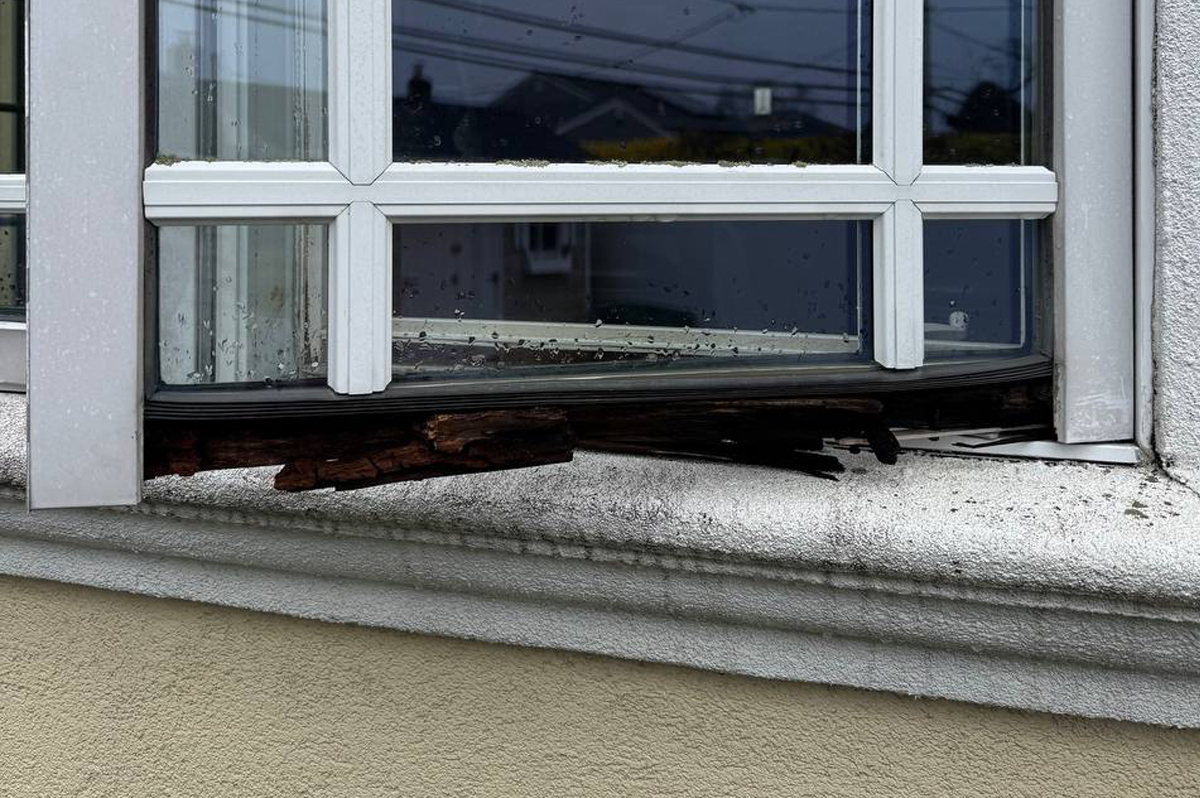
- Unsealed windows
- AC systems not properly maintained
Insurance policies often treat ongoing maintenance issues differently than sudden events.
That’s why early detection is so important.
Why Documentation Is Critical
If water intrusion occurs in your Rockledge home, documenting everything immediately helps protect your position.
Homeowners should:
- Take clear photographs of damage
- Note the date and time the issue was discovered
- Record weather conditions if storm-related
- Keep receipts for emergency repairs
- Save records of drying or mitigation efforts
Insurance adjusters typically want to see that:
- The damage was recent
- The homeowner acted promptly
- Efforts were made to prevent further damage
Delays can complicate coverage decisions.
Hurricanes and Mold in Rockledge
Rockledge may not sit directly on the ocean like Cocoa Beach or Cape Canaveral, but hurricane impacts still create mold risks.
Wind-driven rain can enter through:
- Soffit vents
- Ridge vents
- Window seals
- Sliding doors
- Roof flashing
Even if there’s no visible flooding, attic insulation may become damp.
After storms affecting Satellite Beach or Merritt Island, humidity often remains elevated indoors — especially during power outages.
If mold develops days later, having documentation of the original storm damage is important.
The Role of Mold Inspections in Insurance Situations
When mold appears after a water event, a professional inspection can help clarify:
- The extent of contamination
- The likely moisture source
- Whether moisture appears recent or long-standing
- If hidden dampness remains
In some Rockledge homes, what initially seems hurricane-related may trace back to an older ventilation issue.
Clear evaluation helps homeowners understand the situation objectively.
Brevard Mold Inspections & Removal focuses on identifying moisture patterns and providing straightforward findings. Accurate assessment prevents both underestimation and unnecessary alarm.
Mold Coverage Limits
Many homeowner policies include specific mold coverage caps.
Even when mold is connected to a covered water event, policies may limit:
- Remediation expenses
- Testing costs
- Reconstruction
- Temporary relocation
Because Florida experiences frequent storm activity, many policies have evolved over time.
Reviewing your coverage before problems arise helps avoid surprises.
What Happens If Mold Isn’t Covered?
If mold is determined to result from long-term maintenance issues, insurance may limit or deny coverage.
In those cases, remediation becomes a homeowner responsibility.
That’s why routine inspections and maintenance are so important in Brevard County.
Small roof issues or plumbing leaks caught early are far less costly than widespread mold discovered months later.
Preventing Insurance Complications
The best way to simplify mold and insurance situations is prevention.
Rockledge homeowners can:
- Inspect roofs annually
- Maintain HVAC systems
- Flush AC drain lines regularly
- Repair plumbing leaks promptly
- Monitor attic spaces after storms
- Keep indoor humidity below 55%
- Seal windows and exterior gaps
After hurricanes affecting Cocoa Beach or Palm Bay, inspecting your attic within 48 hours can reduce long-term damage.
Proactive maintenance reduces both mold risk and insurance complications.
Why Local Experience Matters in Rockledge
Insurance-related mold situations in Florida differ from those in dry climates.
Rockledge homes face:
- Lagoon-driven humidity
- Hurricane wind pressure
- Slab foundation moisture
- Salt-air wear
- Continuous AC usage
An inspector familiar with Brevard County understands how these environmental factors influence moisture patterns.
Brevard Mold Inspections & Removal works throughout Rockledge, Melbourne, Palm Bay, Merritt Island, Titusville, Satellite Beach, and surrounding communities. Local experience ensures inspections reflect Florida’s climate realities.
A Calm, Practical Perspective
Discovering mold in your Rockledge home does not automatically mean insurance conflict — but it does require clear understanding.
The most important step is identifying the moisture source quickly and documenting everything carefully.
Mold itself is usually not the starting point of a claim.
Water intrusion is.
If you suspect mold following a storm, plumbing issue, or AC overflow, a professional inspection can provide clarity and direction.
In Brevard County’s humid climate, steady maintenance and early response are the best ways to protect both your home and your coverage position.