


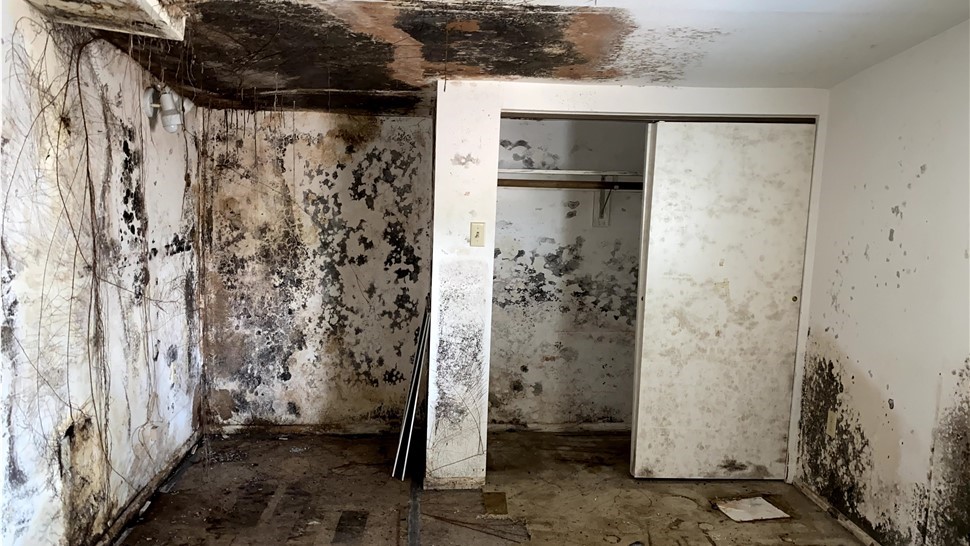
Mold and Insurance Claims in Rockledge: What Homeowners in Brevard County Should Know
For many homeowners in Rockledge, mold becomes a concern at the same time insurance questions start coming up. A roof leak after a storm, a plumbing failure, or an AC issue leads to water damage, and weeks later mold appears. At that point, homeowners are left wondering what their insurance will cover and what steps they should take next.
In Brevard County, mold-related insurance claims are common, but they’re also widely misunderstood. Florida’s humidity, frequent storms, and construction styles create conditions where mold can develop quickly after water damage. Understanding how mold and insurance claims usually intersect helps homeowners avoid delays, confusion, and unnecessary stress.
How Mold and Insurance Claims Are Typically Connected
Insurance companies usually don’t focus on mold itself. They focus on the event that caused the water damage. Mold is often considered a result of that event, not the primary issue.
If mold develops because of a sudden and accidental water loss, such as a burst pipe or storm-related roof damage, coverage may apply depending on the policy. If the moisture issue is long-term, ongoing, or related to maintenance, coverage is often limited or denied.
In Rockledge homes, mold claims often follow water events that seemed minor at first. By the time mold is discovered, the original damage may already be weeks old.
Why Mold Claims Are Common in Rockledge
Rockledge experiences high humidity most of the year, even during dry periods. This makes drying after water damage slower and less predictable.
Heavy rainstorms and tropical systems are another factor. Wind-driven rain can enter through roofs, windows, doors, and exterior penetrations without causing immediate visible damage. Moisture can become trapped inside walls, ceilings, or attics.
Air conditioning systems also contribute. Clogged drain lines, overflowing pans, or duct condensation can introduce moisture into building materials without obvious warning signs.
Slab foundations, common in Rockledge, can allow moisture to migrate upward after heavy rain. All of these conditions increase the likelihood that mold will develop after water damage.
Common Water Damage Events That Lead to Claims
Many mold-related insurance claims begin with plumbing failures. Leaks under sinks, behind toilets, or inside walls are frequent triggers.
Roof leaks after storms are another common cause. Even small roof issues can soak attic insulation and roof decking before ceiling stains appear inside the home.
Appliance failures, such as washing machines or water heaters, can release significant amounts of water in a short time. AC drain line backups are also a frequent issue in Brevard County homes.
In Rockledge, mold is often discovered long after the initial event, once odors or visible damage become noticeable.
Why Timing Matters With Insurance Claims
Timing is one of the most important factors in mold-related insurance situations. Mold can begin growing within 24 to 48 hours after water intrusion in Florida’s climate.
Insurance companies often look at how quickly homeowners responded. Delays in drying, repairs, or reporting the issue can affect how a claim is evaluated.
If moisture is allowed to linger or damage goes unaddressed, insurers may consider the issue preventable rather than accidental. Early action after water damage helps protect both the home and the claim process.
Where Mold Commonly Hides After Water Damage
Mold rarely grows only where water is first seen. After water damage, mold often develops behind drywall, under flooring, and above ceilings.
Attics are a frequent problem area after roof leaks. Wet insulation and limited airflow create ideal conditions for mold on roof decking and framing.
HVAC systems can also become involved when moisture enters air handlers or ductwork. Once mold develops in these hidden areas, it can spread without obvious signs.
Hidden growth is often what makes mold claims more complex than expected.
The Importance of Documentation
Documentation plays a major role in insurance-related mold situations. Photos of water damage, notes about when the issue was discovered, and records of any drying or repairs are all helpful.
A professional mold inspection can provide objective documentation of conditions inside the home. Inspection findings help clarify where moisture is present, where mold has developed, and how extensive the issue may be.
Clear documentation helps distinguish sudden water events from long-term moisture problems, which is often a key factor in insurance decisions.
Professional Mold Inspection After Water Damage
A professional mold inspection focuses on identifying moisture and mold conditions following water damage. Inspectors evaluate visible areas as well as hidden spaces like attics, wall cavities, flooring, and HVAC systems.
Moisture meters and thermal imaging tools help locate damp materials that aren’t visible. These tools are especially important in slab homes common throughout Rockledge.
When appropriate, air or surface sampling may be used to better understand mold conditions. Testing supports decision-making but does not replace identifying moisture sources.
An inspection helps homeowners understand the full scope of the issue before repairs or remediation begin.
Mold Remediation and Insurance Considerations
Proper mold remediation addresses both mold removal and moisture correction. Containment is used to prevent spores from spreading during cleanup.
Mold-affected materials may be cleaned or removed depending on severity. Just as important is fixing the original water source, whether it’s plumbing, roofing, HVAC, or drainage-related.
In Florida homes, remediation must account for ongoing humidity. Without moisture control, mold may return even after thorough cleanup.
Brevard Mold Inspections & Removal approaches mold situations with a prevention-focused mindset, helping homeowners stabilize conditions rather than apply temporary fixes.
Preventing Mold Issues After Future Water Events
Prevention starts with quick action. Any water intrusion should be addressed immediately, even if it seems minor.
Drying should begin as soon as possible, and affected areas should be monitored for lingering moisture. After storms, attics, ceilings, and areas around windows and doors should be checked promptly.
Regular AC maintenance helps prevent condensation-related moisture issues. Roof inspections and proper drainage around the home also reduce future risk.
In Rockledge, moisture management is an ongoing responsibility.
Why Local Experience in Brevard County Matters
Mold and insurance issues in Brevard County are shaped by local climate, storm patterns, and construction styles. What applies in dry regions often doesn’t translate well to Florida homes.
Local experience means understanding how Rockledge homes are built and where moisture and mold are most likely to develop after water damage. It also means recognizing how humidity affects drying timelines.
Professionals familiar with Brevard County conditions can provide guidance that aligns with local realities rather than generic assumptions.
A Calm, Practical Next Step
If your Rockledge home has experienced water damage and mold is now a concern, gathering clear information early is the most productive step. A professional inspection can help you understand the situation and move forward with confidence.
Homeowners across Brevard County benefit from early assessment and proper moisture control. Brevard Mold Inspections & Removal helps homeowners identify mold conditions after water damage and take practical, responsible steps forward.
Clear documentation, timely action, and local experience can make mold and insurance situations far easier to navigate.