
Indian Harbour Beach is one of Brevard County’s most desirable coastal communities. Homes here benefit from ocean air, steady breezes, and a laid-back beachside atmosphere. But those same conditions also create a higher risk for moisture problems — and where moisture lingers, mold can follow. That’s why mold testing has become an important step for homeowners in Indian Harbour Beach who want clear answers about their indoor environment.
Mold testing isn’t about jumping to conclusions or assuming the worst. It’s about understanding what’s happening inside a home, especially when coastal humidity, storms, and air-conditioning systems work together year-round. For many homeowners, testing provides clarity when something feels off but isn’t yet visible.
What Mold Testing Actually Is
Mold testing is the process of collecting samples to better understand whether mold is present indoors and, if so, what type and concentration may exist. Unlike a basic visual inspection, testing helps identify mold that can’t be seen with the naked eye.
In Indian Harbour Beach homes, testing is often used when moisture issues are suspected but visible mold isn’t obvious. It’s also common when homeowners notice musty odors, persistent humidity, or unexplained indoor air concerns.
Testing doesn’t stand alone. It works best as part of a broader evaluation that considers moisture sources, ventilation, and building conditions specific to coastal Brevard County homes.
Why Mold Testing Is Common in Indian Harbour Beach
Indian Harbour Beach sits directly between the Atlantic Ocean and the Indian River Lagoon. This location exposes homes to constant moisture in the air, even on clear days. Salt-laden humidity easily finds its way indoors and settles into walls, ceilings, and HVAC systems.
Air conditioning systems run frequently to manage heat and humidity, and condensation is a normal byproduct. When drain lines clog or airflow is restricted, moisture can build up around air handlers and ductwork. Over time, this creates conditions where mold may develop without obvious signs.
Storms and heavy rain also contribute. Wind-driven rain can enter through small roof issues, window seals, or exterior penetrations. Even when water intrusion seems minor, moisture can remain trapped in insulation or wall cavities long after surfaces dry.
When Homeowners Decide to Test for Mold
Many homeowners choose mold testing after noticing persistent odors that don’t go away with cleaning. A musty or earthy smell is often the first clue that something is happening behind the scenes.
Others request testing after past water damage, even if repairs were completed. In coastal homes, moisture can linger longer than expected, especially in attics or under flooring. Testing is also common during real estate transactions, where buyers and sellers want objective information before moving forward.
In some cases, homeowners test simply for peace of mind. When a home feels damp or uncomfortable despite normal maintenance, testing can help explain why.
Common Areas Where Mold Is Tested
Mold testing in Indian Harbour Beach homes often focuses on areas most affected by moisture. HVAC systems are a primary concern, particularly air handlers, drain pans, and return plenums where condensation may collect.
Attics are another frequent testing location. Heat buildup combined with limited ventilation can trap moisture against roof decking and insulation. Bathrooms, laundry rooms, and kitchens may also be tested if ventilation is inadequate or humidity remains high.
In slab-built homes common throughout Brevard County, testing may be recommended near flooring or lower wall areas where moisture from beneath the slab can accumulate.
Why Mold Often Goes Undetected Without Testing
One of the challenges with mold is that it doesn’t need light or open air to grow. Mold can develop behind drywall, under flooring, or inside ductwork without creating visible signs.
Homeowners may clean surfaces regularly and still have mold present in hidden areas. In Indian Harbour Beach, repeated exposure to humidity allows mold to grow slowly, making it harder to notice until odors or comfort issues appear.
Testing helps confirm or rule out concerns when visual inspections alone don’t provide clear answers.
The Limitations of DIY Mold Tests
DIY mold test kits are widely available, but they often provide incomplete or misleading information. These kits don’t account for moisture sources, ventilation conditions, or how mold behaves inside a specific home.
Without professional guidance, results can be difficult to interpret and may cause unnecessary worry. DIY testing also doesn’t include moisture mapping or a broader evaluation of the home’s environment, which is essential for understanding whether mold is truly a concern.
Professional mold testing places results in context, helping homeowners understand what matters and what doesn’t.
How Professional Mold Testing Is Performed
Professional mold testing usually begins with a careful visual assessment and moisture evaluation. Inspectors look for conditions that support mold growth, not just visible signs.
Air samples may be collected from inside and outside the home to compare indoor conditions. Surface samples can also be taken from areas of concern. These samples are sent to accredited laboratories for analysis, providing clear, objective data.
Companies like Brevard Mold Inspections & Removal focus on explaining test results in plain language, helping homeowners understand what the findings mean for their specific home.
How Test Results Are Used
Mold test results are not a diagnosis or a verdict. They are tools used to guide decisions. In some cases, results confirm that indoor conditions are normal. In others, they highlight areas where moisture control or remediation may be needed.
When mold is identified, the next steps focus on addressing moisture sources and determining whether removal is necessary. The goal is always long-term resolution, not short-term fixes.
Preventing Mold Issues After Testing
Testing often reveals opportunities for prevention. Improving ventilation, maintaining HVAC systems, and controlling indoor humidity are key steps for coastal homes.
Routine AC maintenance, especially checking drain lines and air handlers, helps reduce moisture buildup. After storms, inspecting attics, ceilings, and exterior walls can catch issues early before mold has time to develop.
Keeping indoor humidity balanced and addressing leaks promptly can significantly reduce future mold risks.
Why Local Experience in Brevard County Matters
Mold behavior in Indian Harbour Beach differs from inland areas like Rockledge or Viera. Coastal humidity, salt air, and storm exposure all influence how moisture moves through a home.
Local experience means understanding these patterns, common construction styles, and the unique challenges faced by homes near the ocean and lagoon. That knowledge helps ensure testing is accurate, relevant, and useful.
A Calm, Informed Next Step
If you’re noticing persistent odors, humidity issues, or concerns after past water damage, mold testing can provide clarity. Testing helps homeowners understand their indoor environment and decide what actions, if any, are needed.
Taking a calm, informed approach allows you to protect your home, maintain comfort, and move forward with confidence.
Images for This Article
Mold Growth on Interior Walls in Coastal Florida Homes


Attic Moisture and Mold in Brevard County Homes

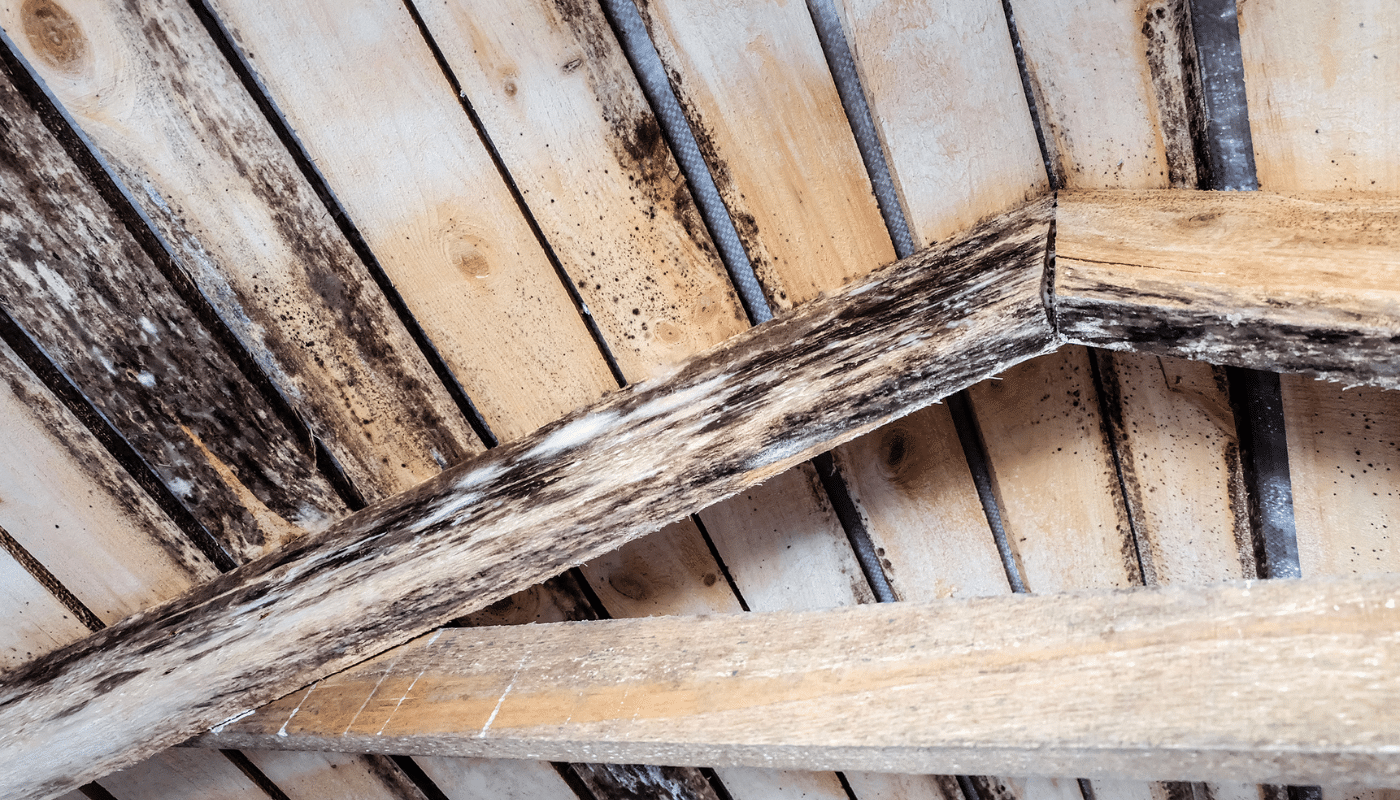
Mold and Moisture Around HVAC Systems in Florida Homes
.