
Are you concerned about mold damage in your home? It’s essential to understand how mold can impact your home’s health and safety. Mold not only compromises the structural integrity of your property but also poses serious health risks to you and your family. In this article, we will explore everything you need to know to keep your home mold-free.
From identifying different types of mold to understanding the causes and signs of mold growth, we’ll provide you with expert advice on preventing and addressing mold issues. You’ll learn practical tips and proven strategies to mitigate mold damage effectively. Whether you’re a homeowner, renter, or landlord, this guide will equip you with the knowledge and tools to create a mold-free living environment.
Don’t let mold take over your home or compromise your well-being. Follow our advice to detect and prevent mold, ensuring a safe and healthy living environment for you and your loved ones. Let’s dive in to learn more about keeping your home mold-free.
Mold thrives in environments with excess moisture and poor ventilation. Understanding the causes and signs of mold growth is crucial to preventing its spread and damage to your home. One common cause of mold is water intrusion, which can occur through leaks in the roof, windows, or plumbing. Condensation in areas with high humidity, such as bathrooms and basements, can also contribute to mold growth.
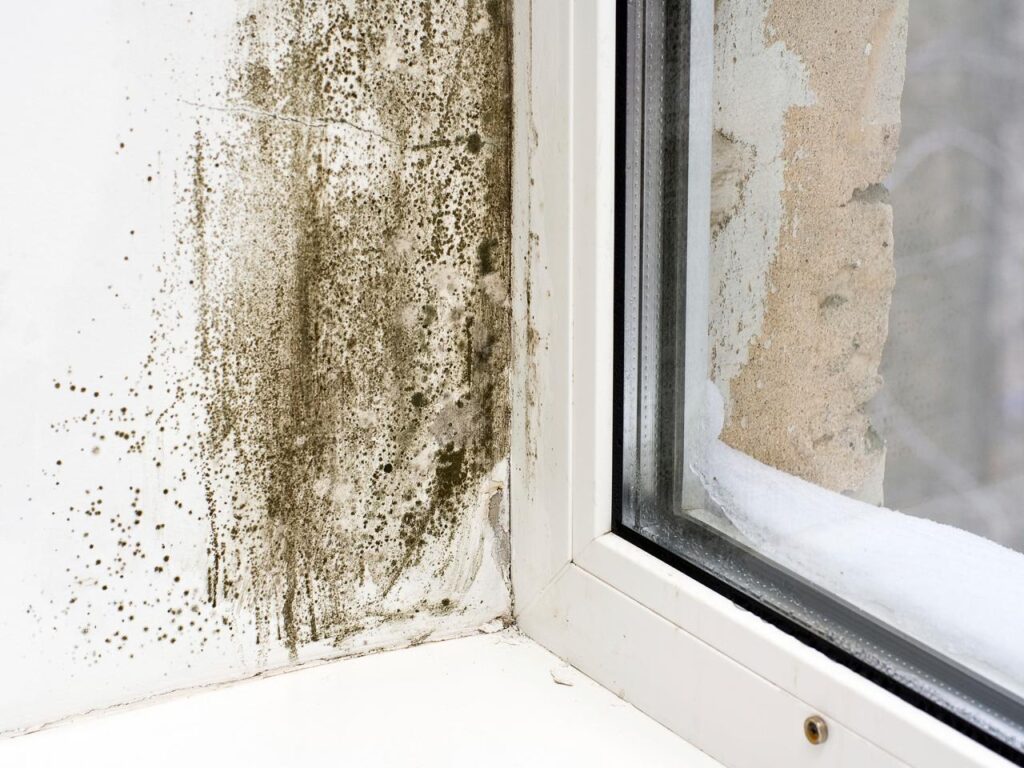
To identify mold growth, look out for visible signs such as black, green, or white patches on walls, ceilings, or other surfaces. Musty odors and an increase in allergic reactions, such as sneezing and coughing, can also indicate mold presence. If you suspect mold growth, it’s important to take immediate action to prevent further damage.
Preventing mold growth requires a proactive approach. By implementing certain preventive measures, you can significantly reduce the risk of mold damage in your home. Start by addressing any water leaks or sources of excess moisture. Repairing leaky roofs, pipes, or faucets is essential to prevent mold from thriving.
Proper ventilation is another key factor in mold prevention. Ensure that your home has sufficient airflow, especially in areas prone to high humidity, such as bathrooms and kitchens. Use exhaust fans or open windows to remove excess moisture and prevent condensation.
Regular cleaning and maintenance are also important in mold prevention. Keep your home clean and dry, especially in areas where mold is more likely to grow, such as bathrooms and basements. Regularly inspect and clean air conditioning units, as they can harbor moisture and contribute to mold growth if not maintained properly.
If you discover mold growth in your home, it’s crucial to address it promptly and safely. Depending on the extent of the mold damage, you may be able to handle the cleaning and removal yourself. However, it’s important to take proper precautions to protect yourself and prevent further contamination.
Before starting the cleaning process, ensure that you wear protective gear, including gloves, goggles, and a mask. This will shield you from potential exposure to mold spores. Use a mixture of water and detergent or a specialized mold cleaner to scrub the affected areas thoroughly. After cleaning, ensure that the surfaces are completely dry to discourage mold regrowth.
In some cases, professional mold removal may be necessary, especially if the mold damage is extensive or if there are health concerns. Professional mold remediation services have the expertise and equipment to safely remove mold and prevent its recurrence. Hiring professionals can give you peace of mind and ensure that the mold issue is effectively resolved.
Regular inspections and maintenance are vital in preventing mold damage. By implementing a proactive approach, you can identify and address any potential mold growth before it becomes a larger problem. Schedule regular inspections of your home, paying close attention to areas prone to moisture, such as basements, attics, and bathrooms.
During inspections, check for any signs of water intrusion, such as leaks or condensation. Address these issues promptly to prevent mold from taking hold. Additionally, ensure that your home’s ventilation systems are functioning properly and that air filters are clean and in good condition.
Investing in regular maintenance can also help prevent mold growth. Keep gutters and downspouts clean and free from debris to ensure proper water drainage. Trim vegetation around your home to promote airflow and prevent excess moisture buildup. By staying vigilant and proactive, you can minimize the risk of mold damage and maintain a mold-free home environment.
Mold exposure can have significant health implications, especially for individuals with respiratory conditions or weakened immune systems. Mold spores can trigger allergic reactions, including coughing, sneezing, and itchy eyes. Prolonged exposure to mold can also lead to more severe health issues, such as respiratory infections and asthma attacks.
To protect your health and that of your family, it’s important to address any mold issues promptly. If you experience persistent allergy symptoms or notice a worsening of respiratory conditions, consult a healthcare professional. They can help determine if mold exposure is the underlying cause and provide appropriate treatment recommendations.
When it comes to mold damage, insurance coverage can vary depending on the policy and circumstances. Some insurance policies may provide coverage for mold remediation and repairs if the mold growth is a result of a covered peril, such as a burst pipe. However, policies may have limitations or exclusions for mold damage resulting from negligence or lack of maintenance.
To ensure adequate coverage, review your insurance policy and consider consulting with your insurance provider. Understand the terms and conditions related to mold damage and take the necessary steps to prevent mold growth in your home. Regular maintenance and prompt addressing of any water leaks or issues can help minimize the risk of mold-related insurance claims.
Keeping your home mold-free is essential for maintaining a safe and healthy living environment. By understanding the causes and signs of mold growth, implementing preventive measures, and addressing mold issues promptly, you can mitigate mold damage effectively. Regular inspections, proper maintenance, and professional mold remediation services are key components of a comprehensive mold prevention strategy.
Remember, mold not only poses structural risks to your home but can also have serious health implications. Protect yourself and your loved ones by staying proactive and addressing any mold issues promptly. With the knowledge and tools provided in this guide, you’re equipped to create a mold-free living environment and ensure the well-being of your home and family.