
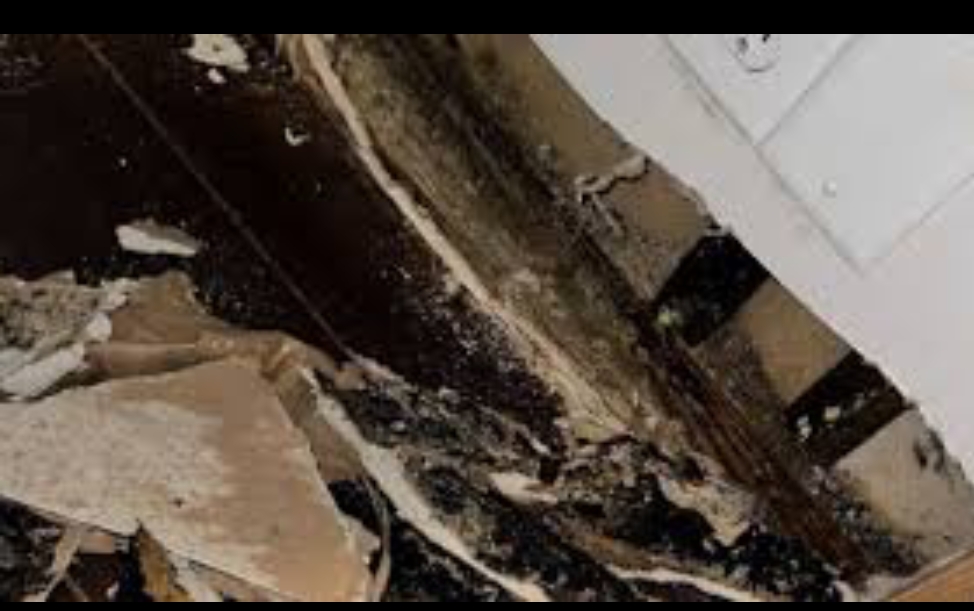
Mold questions are some of the most common calls we get in Melbourne.
Homeowners across Brevard County — from Palm Bay to Satellite Beach — want clear answers. Not scare tactics. Not technical overload. Just honest guidance about what mold is, how it forms, and what to do if it shows up.
Florida’s humidity, frequent rain, and year-round AC use create conditions where mold can develop quickly. The key is understanding what’s normal in our climate — and what isn’t.
Below are the most common mold questions we hear in Melbourne and throughout Brevard County, answered clearly and simply.
What Causes Mold in Melbourne Homes?
In Brevard County, mold almost always comes down to moisture.
That moisture can come from:
- High indoor humidity
- Roof leaks after storms
- AC condensation issues
- Plumbing leaks
- Poor attic ventilation
- Flooding or storm surge
Melbourne homes deal with intense humidity much of the year. Even without a visible leak, indoor humidity above 60 percent can allow mold to grow on drywall, wood, insulation, and even furniture.
Homes near the coast — like Satellite Beach and Cocoa Beach — also deal with salt-heavy air that accelerates wear on seals and building materials, allowing moisture to sneak in over time.
How Quickly Can Mold Grow in Florida?
In our climate, mold can begin developing within 24–48 hours after water intrusion.
That’s especially true after:
- Hurricane-related roof leaks
- AC drain line backups
- Slab foundation moisture issues
- Washing machine or dishwasher leaks
Because Brevard County stays warm and humid, moisture doesn’t evaporate as quickly as homeowners assume. What looks dry on the surface may still be damp inside walls or under flooring.
That’s why drying properly — not just visibly — is so important.
What Does Mold Smell Like?
Many homeowners in Melbourne first notice mold by smell, not sight.
Mold often has a:
- Musty
- Earthy
- Damp
- “Old basement” type odor
If you walk into a room and it smells stale or damp — especially after running the AC — that can be an early warning sign.
Closets, laundry rooms, and guest bedrooms in homes around Palm Bay and Viera are common places where odors show up first due to limited airflow.
Is All Mold Visible?
No.
In fact, much of the mold we find in Brevard homes isn’t immediately visible.
Common hidden locations include:
- Behind drywall after small roof leaks
- Under laminate or hardwood flooring
- Inside AC air handlers
- Around ductwork
- In attic insulation
- Under bathroom cabinets
A small water event months ago can leave moisture trapped behind materials. In Florida’s climate, that’s enough for mold growth to continue quietly.
Do I Need Mold Testing?
Not every situation requires testing.
If mold is clearly visible and the moisture source is known, testing may not add much value. The priority is removal and moisture correction.
However, testing can be helpful when:
- There’s a strong odor but no visible mold
- You’re buying or selling a home
- There’s a history of flooding
- Occupants are concerned about indoor air quality
- You want documentation for clarity
A professional inspection typically includes a visual assessment, moisture detection, and possibly air or surface sampling sent to a certified lab.
At Brevard Mold Inspections & Removal, testing is used when it provides useful information — not automatically.
Can I Clean Mold Myself?
It depends on the size and location.
Small, surface-level mold on non-porous materials can sometimes be cleaned. But in many Florida homes, mold grows on porous materials like drywall, wood, or insulation.
Bleach is commonly used, but it doesn’t penetrate porous materials effectively. It may lighten the stain without eliminating the root growth.
DIY cleaning also doesn’t address:
- Hidden moisture inside walls
- Contaminated insulation
- Spore spread during disturbance
We’ve seen cases in Rockledge and Titusville where small bathroom mold spread into attic spaces because it wasn’t contained properly.
If mold covers more than a small area or involves structural materials, professional evaluation is strongly recommended.
Why Does Mold Keep Coming Back?
If mold returns, the moisture source wasn’t fully corrected.
Common recurring causes in Brevard County include:
- Clogged AC condensate lines
- Poor attic ventilation
- Minor roof flashing leaks
- High indoor humidity
- Slab moisture intrusion
Florida homes run air conditioning most of the year. If the system isn’t properly balanced, humidity may remain elevated even if the home feels cool.
Mold doesn’t “randomly” reappear. There’s always a moisture explanation.
Can Mold Affect Indoor Comfort?
Yes — even if it’s not visibly dramatic.
Homeowners in Melbourne often describe:
- Rooms feeling damp
- AC running constantly
- Uneven cooling
- Persistent musty odor
Moisture buildup can also cause:
- Warped trim
- Bubbling paint
- Lifting flooring
- Staining near vents
While mold itself varies, damp environments affect the overall feel of a home.
Are Newer Homes in Viera or West Melbourne Immune?
No home is immune in Florida.
Newer construction may have better building materials, but tight construction can sometimes trap moisture if ventilation isn’t balanced properly.
We’ve inspected relatively new homes in Viera where:
- Bathroom exhaust fans vented into attics
- Attic airflow was restricted
- AC systems were oversized, reducing proper dehumidification
Age of the home matters less than how moisture is managed.
What Happens During a Professional Mold Inspection?
A thorough inspection focuses on identifying moisture first.
That typically includes:
- Visual examination of walls, ceilings, and trim
- Attic evaluation
- AC system review
- Moisture meter readings
- Thermal imaging (if needed)
- Discussion of past leaks or storm events
If air or surface samples are taken, they’re sent to a lab for analysis. Results help determine concentration levels and mold types.
The purpose is clarity — understanding whether mold is present, how extensive it is, and why it developed.
What Does Proper Mold Remediation Involve?
Remediation is not just cleaning.
It includes:
- Containing affected areas
- Correcting the moisture source
- Removing contaminated materials when necessary
- Cleaning structural components
- HEPA vacuuming and air filtration
In homes near Cocoa Beach or Cape Canaveral, attic mold is common due to ventilation and coastal humidity. In slab homes in Palm Bay, moisture intrusion from below can require additional evaluation.
The most important step is stopping the moisture source.
Without that, mold can return.
How Can I Prevent Mold in My Melbourne Home?
Prevention in Brevard County centers on moisture control.
Helpful steps include:
- Keep indoor humidity between 45–55 percent
- Service AC systems regularly
- Flush AC drain lines annually
- Use bathroom exhaust fans consistently
- Check attics after major storms
- Inspect roof penetrations yearly
- Use dehumidifiers in problem rooms
- Ensure gutters direct water away from foundations
Homes in Merritt Island and Satellite Beach should pay close attention to window seals due to salt exposure.
After hurricanes or heavy rain events, even if there’s no visible damage, it’s wise to check ceilings and closets for subtle changes.
Why Local Experience in Brevard County Matters
Mold in Florida behaves differently than in dry states.
Homes in Titusville experience different environmental pressures than homes directly on the coast. Slab foundations in Rockledge respond differently to prolonged rain than elevated coastal properties.
Local professionals understand:
- How Florida humidity impacts attic spaces
- How AC systems influence indoor moisture
- How storm patterns affect roofing
- How slab construction interacts with groundwater
That local knowledge makes inspections more accurate and remediation more effective.
When Should You Schedule an Inspection?
If you notice:
- Persistent musty odor
- Visible mold growth
- Damp indoor air
- Past storm damage
- Recurring moisture problems
It’s reasonable to have your home evaluated.
You don’t need a major outbreak to justify an inspection. Often, early detection prevents larger repairs later.
Brevard Mold Inspections & Removal provides professional inspections and remediation services throughout Melbourne, Palm Bay, Cocoa, Merritt Island, Titusville, Rockledge, Viera, Satellite Beach, and Cape Canaveral.
Clear answers. Practical solutions. Local experience.
Because in Brevard County, managing moisture is simply part of protecting your home.