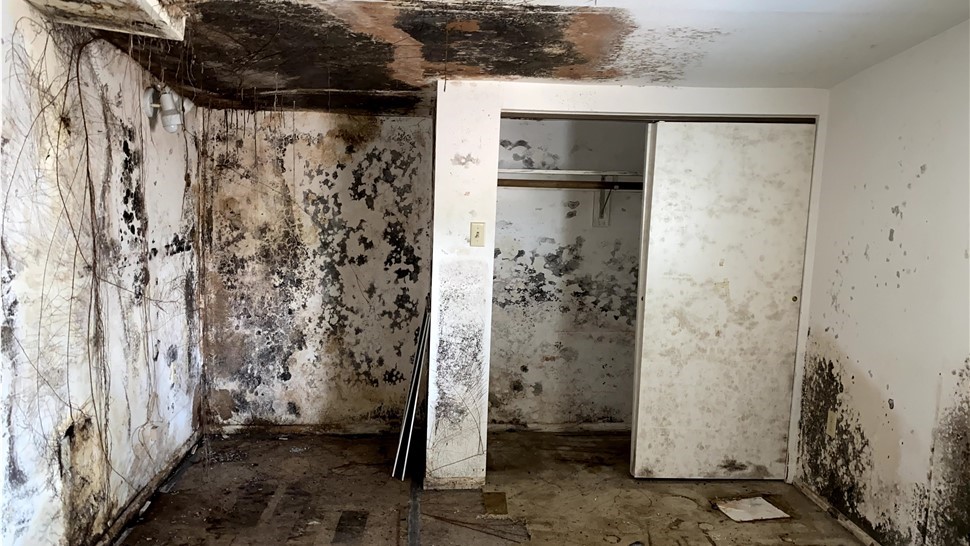
Mold FAQs in Melbourne: What Homeowners in Brevard County Should Know
Homeowners in Melbourne ask a lot of questions about mold—and for good reason. With high humidity, heavy rainfall, long AC seasons, and a mix of older and newer homes, mold issues are common across Brevard County. Many problems develop quietly, without dramatic leaks or visible damage, which leads to confusion, frustration, and repeated cleanup attempts.
This FAQ-style guide answers the most common mold questions Melbourne homeowners ask, using clear, practical explanations based on real Florida conditions. No scare tactics. No scientific overload. Just straightforward information to help you understand what’s happening in your home and what actually helps.
Is Mold Common in Melbourne Homes?
Yes. Mold is very common in Melbourne due to:
- High year-round humidity
- Frequent rain and summer storms
- Long cooling seasons with heavy AC use
- Slab foundations common in the area
- Homes kept closed and air-conditioned most of the year
Even well-maintained homes can develop mold if moisture lingers.
Does Mold Mean a Home Is Dirty or Neglected?
No. Mold growth has nothing to do with cleanliness.
Mold grows when:
- Moisture is present
- Materials stay damp long enough
- Airflow is limited
Clean, newer homes can develop mold just as easily as older homes if moisture conditions are right.
What Does Mold Usually Look Like?
Mold can appear in many forms, including:
- Black, dark green, brown, or gray spots
- White or fuzzy growth
- Staining or discoloration on walls or ceilings
- Spots around vents, windows, or baseboards
Color alone does not determine how serious a mold problem is.
Why Does Mold Keep Coming Back After Cleaning?
Recurring mold almost always means moisture hasn’t been corrected.
Common reasons include:
- High indoor humidity
- Poor bathroom ventilation
- Condensation from HVAC systems
- Hidden leaks
- Moisture trapped behind walls or under floors
Cleaning removes surface mold but not the conditions that allow it to grow.
Where Is Mold Most Likely to Hide?
In Melbourne homes, mold is often hidden rather than obvious.
Common hidden locations include:
- Behind drywall near plumbing
- Under laminate, vinyl, or carpet flooring
- Inside wall cavities
- Attics after roof leaks or storms
- HVAC air handlers and ductwork
- Closets on exterior walls
Hidden mold often explains musty odors with no visible growth.
Are Musty Smells Always Caused by Mold?
Most of the time, yes.
Musty odors usually indicate:
- Damp building materials
- Hidden mold growth
- Poor airflow or ventilation
Even when mold isn’t visible, odors often signal moisture problems that need attention.
Is Bathroom Mold a Big Problem?
Bathroom mold is common—but it shouldn’t be ignored.
Bathroom mold usually indicates:
- Steam not being vented properly
- Exhaust fans not used long enough
- Fans venting into attics
- Moisture trapped behind walls or ceilings
Bathroom mold is usually a ventilation issue, not a cleaning issue.
Can HVAC Systems Cause Mold Problems?
Yes. HVAC systems are a major mold source in Melbourne homes.
Problems arise when:
- Condensate drain lines clog
- Drain pans hold standing water
- Evaporator coils stay damp
- Condensation forms around vents
Because HVAC systems circulate air, mold here can affect the entire home.
Can Mold Grow Without a Leak or Flood?
Yes. Mold does not need flooding to grow.
Mold often develops from:
- High indoor humidity
- Condensation on cool surfaces
- Moisture migrating through slab foundations
Many homeowners discover mold even when no leak is visible.
Can Mold Grow Under Floors?
Yes—especially in slab-on-grade homes.
Under-floor mold can develop when:
- Moisture migrates upward through the slab
- Flooring traps moisture
- Humidity remains elevated
This often causes musty odors without visible mold.
Is DIY Mold Cleanup Effective?
DIY cleanup may improve appearance, but it rarely solves the problem.
DIY methods fail because:
- Mold roots remain in porous materials
- Hidden mold is missed
- Moisture sources aren’t corrected
- Cleaning adds moisture
In Florida’s climate, mold usually returns after DIY cleanup.
When Is a Mold Inspection Helpful?
A mold inspection is helpful when:
- Mold keeps returning
- Odors persist
- Mold is suspected but not visible
- HVAC or attic involvement is possible
- Water damage occurred in the past
Inspections focus on moisture behavior, not fear.
Is Mold Testing Always Necessary?
No. Mold testing isn’t always required.
Testing may be useful when:
- Hidden mold is suspected
- Confirmation is needed after remediation
- HVAC involvement is suspected
Testing works best when guided by inspection findings.
How Is Mold Properly Addressed?
Proper mold remediation focuses on:
- Identifying moisture sources
- Correcting those sources
- Removing contaminated materials when needed
- Drying affected areas thoroughly
- Preventing recurrence
Cosmetic cleaning alone is rarely enough.
Can Mold Spread to Other Rooms?
Yes. Mold can spread when:
- Spores become airborne
- HVAC systems circulate air
- Cleaning disturbs growth
Containment is important when remediation is needed.
How Can Mold Be Prevented Long-Term?
Effective prevention includes:
- Managing indoor humidity
- Using bathroom exhaust fans properly
- Maintaining HVAC systems
- Fixing leaks promptly
- Inspecting attics after storms
- Allowing airflow in closets and storage areas
Consistency matters more than extreme measures.
Why Local Experience Matters in Melbourne
Mold behaves differently in Florida than in dry climates. Melbourne homes face:
- High humidity
- Storm exposure
- Slab foundations
- Long cooling seasons
Local professionals understand where moisture hides and how mold develops here.
Brevard Mold Inspections & Removal works with Melbourne homeowners to answer mold questions clearly, focusing on real conditions and practical solutions rather than alarm.
A Practical Takeaway for Homeowners
Mold questions are common in Melbourne—and most answers come back to moisture. Mold problems usually develop slowly and can be managed effectively once moisture sources are identified and corrected.
If mold keeps returning, odors linger, or you’re unsure what’s happening inside your home, a professional inspection can provide clarity. Understanding moisture behavior is the most effective way to protect your home and maintain comfort in Brevard County’s humid environment.