
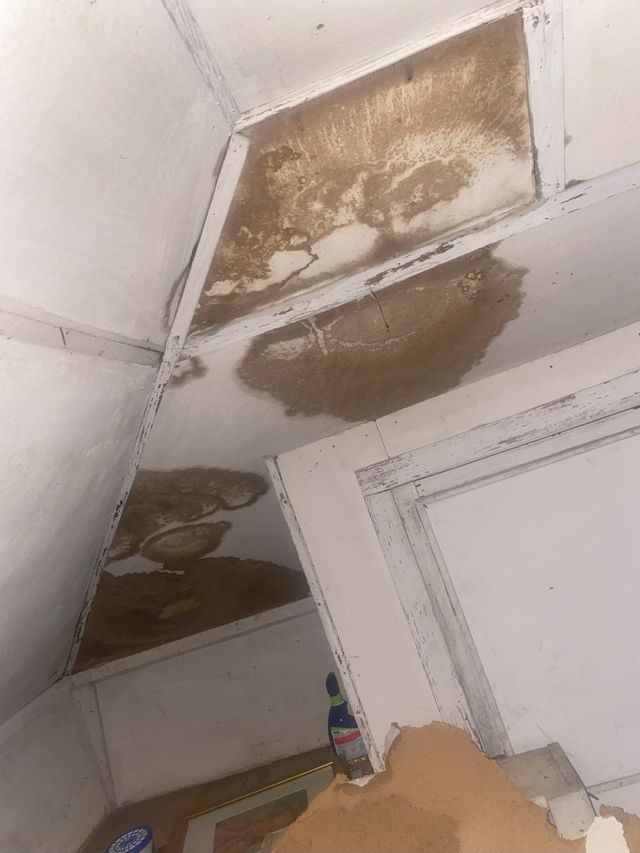
Mold FAQs in Melbourne: What Homeowners in Brevard County Should Know
Homeowners in Melbourne and across Brevard County deal with mold questions more often than people in many other parts of the country. Florida’s warm, humid climate creates perfect conditions for mold growth whenever moisture enters a home.
Many homeowners have similar concerns:
Is this mold dangerous? Can I clean it myself? Will it come back? Should I test my home? Does insurance help?
Whether you live in Melbourne, Palm Bay, Viera, Titusville, Cocoa Beach, Merritt Island, or Satellite Beach, understanding mold basics can help you prevent problems and respond calmly when they arise.
Below are answers to some of the most common mold questions Brevard County homeowners ask during inspections and consultations.
What Exactly Is Mold, and Why Does It Grow Indoors?
Mold is a type of fungus that exists naturally outdoors. It plays an important role in breaking down organic material in the environment.
Indoors, mold becomes a problem when moisture allows it to grow on building materials like drywall, wood, insulation, or carpet.
Mold only needs three things:
• Moisture
• Warm temperatures
• A surface to grow on
Homes throughout Brevard County provide all three whenever leaks, humidity, or condensation are present.
Once materials stay damp for more than a day or two, mold can begin developing, often out of sight.
Why Is Mold So Common in Melbourne and Nearby Areas?
Melbourne and surrounding cities experience high humidity almost year-round. Combine that with heavy rainfall, tropical storms, and hurricane season, and moisture problems become common.
Some local factors include:
• Wind-driven rain entering roofs or walls
• AC condensation issues
• Slab foundations allowing moisture intrusion
• Older homes with ventilation challenges
• Coastal humidity near Cape Canaveral and Cocoa Beach
Even newer homes can develop mold if moisture isn’t managed correctly.
Florida homes fight moisture constantly, making prevention and early action important.
How Can I Tell If Mold Is Growing in My Home?
Homeowners often notice clues before seeing mold directly.
Common signs include:
• Persistent musty or damp odors
• Dark spots on walls or ceilings
• Bubbling paint or peeling drywall
• Warped flooring or soft baseboards
• Stains near air vents or windows
Some people notice irritation indoors that improves outside the home, though reactions vary and should not be assumed to be mold-related without evaluation.
The key point is this: visible mold is often only part of the problem.
Can Mold Grow Where I Can’t See It?
Yes, and this is very common in Brevard County homes.
Mold often grows in hidden areas such as:
• Behind drywall after leaks
• Under laminate or vinyl flooring
• Inside attics with poor ventilation
• Around HVAC systems
• Inside wall cavities after storms
• Behind cabinets or bathroom vanities
Homeowners may clean visible mold only to have odors or stains return because hidden moisture remains.
Professional inspections often uncover growth in areas homeowners never suspected.
Is It Safe to Clean Mold Myself?
This depends on the size and cause of the mold.
Small surface areas caused by minor humidity or temporary condensation may sometimes be handled with proper cleaning and drying.
However, DIY cleaning often fails because:
• The moisture source isn’t fixed
• Mold roots remain inside materials
• Spores spread during cleaning
• Hidden mold is left untreated
Bleach and common cleaners often lighten stains but do not solve deeper problems.
Large areas or recurring mold problems should be professionally evaluated.
Why Does Mold Keep Coming Back After Cleaning?
Mold returns whenever moisture remains.
Common reasons mold reappears include:
• Slow plumbing leaks still active
• AC drainage issues
• Damp materials behind walls
• High indoor humidity
• Poor attic or crawl space ventilation
Cleaning alone does not stop mold. Moisture correction is the real solution.
Many homeowners in Palm Bay and Rockledge find mold returning until underlying humidity or leak problems are corrected.
Do I Need Mold Testing?
Testing is not always required, but it can help in certain situations.
Testing may be helpful when:
• Mold isn’t visible but odors exist
• Residents suspect hidden mold
• A home is being bought or sold
• Post-remediation verification is needed
• Insurance or documentation questions arise
Professional inspections usually focus first on moisture detection and visual evidence before recommending sampling.
The priority is finding moisture sources rather than simply measuring mold.
How Does Professional Mold Removal Work?
Professional remediation focuses on safe removal and prevention.
Typical remediation steps include:
• Containment to prevent mold spread
• Air filtration during cleanup
• Removal of contaminated materials when necessary
• Cleaning and treatment of salvageable areas
• Thorough drying of affected structures
• Correction of moisture problems
Stopping moisture intrusion is critical. Without it, mold almost always returns.
Experienced local companies, including Brevard Mold Inspections & Removal, tailor solutions to Brevard County’s climate and building styles.
Will My Homeowner’s Insurance Cover Mold?
Insurance coverage depends on how mold developed.
Policies often cover mold if it resulted from sudden accidental damage, like a burst pipe.
Coverage is less likely when mold results from long-term maintenance issues or humidity.
Each situation differs, so reviewing policy details and documenting damage early helps clarify options.
Professional inspections sometimes help homeowners understand the source and timeline of moisture issues.
How Can I Prevent Mold in My Home?
Prevention focuses on controlling moisture.
Helpful steps for Melbourne and Brevard County homeowners include:
• Keep indoor humidity below 60%
• Service AC systems annually
• Ensure AC condensate drains stay clear
• Fix leaks immediately
• Use exhaust fans in kitchens and bathrooms
• Inspect attics after storms
• Avoid storing items against exterior walls in humid spaces
Prompt drying after leaks or flooding is one of the best defenses against mold.
Regular home checks after heavy storms also help catch problems early.
Why Does Local Experience Matter?
Homes in Brevard County face unique moisture challenges compared to homes in drier climates.
Coastal storms, salt air, humidity, and slab construction all influence how mold problems develop.
Local professionals understand common trouble spots in Melbourne, Merritt Island, Titusville, and surrounding communities.
They recognize patterns specific to Florida homes and can recommend practical solutions suited to the local climate.
When Should I Call a Professional?
Consider professional help if:
• Mold keeps returning
• Musty odors persist
• You’ve had recent water damage
• Visible mold covers large areas
• You’re buying or selling a home
• You want peace of mind about indoor conditions
Brevard Mold Inspections & Removal works with homeowners throughout the county to provide clear, calm evaluations without pressure or unnecessary work.
Early inspections often prevent bigger repairs later.
Final Thoughts for Melbourne Homeowners
Mold is a common part of living in Florida, but serious problems usually stem from unresolved moisture issues.
Understanding how mold develops, knowing the warning signs, and addressing moisture quickly helps homeowners protect both their property and comfort.
Most mold problems can be resolved successfully when caught early.
If you have concerns about mold in your Melbourne home or anywhere in Brevard County, a professional inspection can provide clarity and direction so you can move forward confidently.