
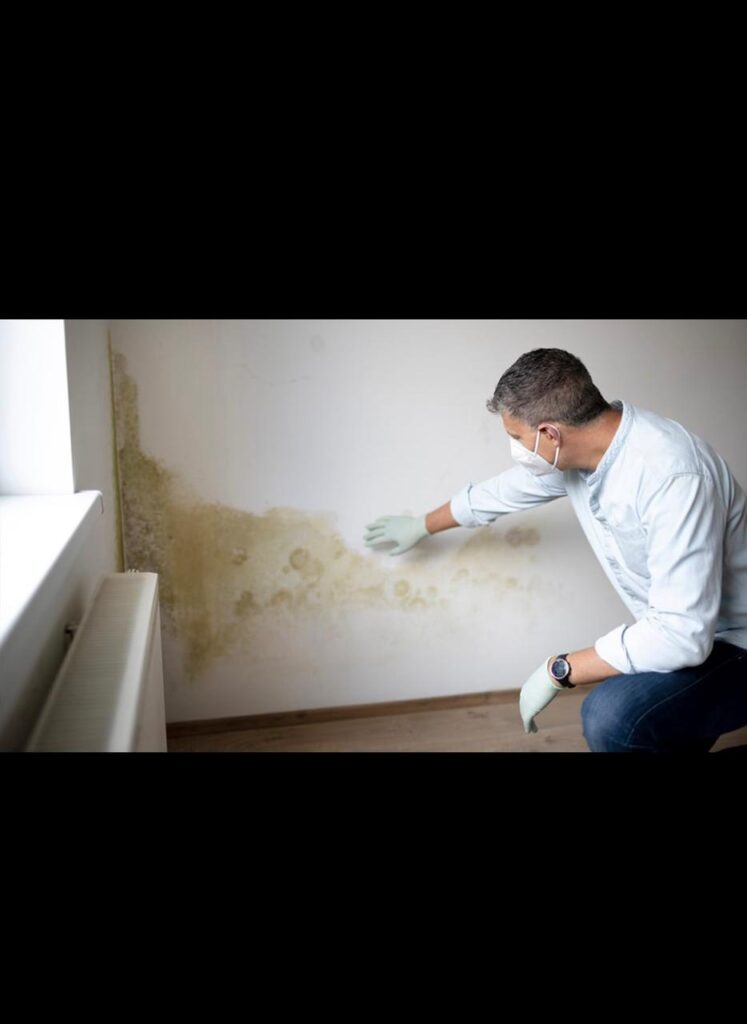
Mold FAQs in Melbourne: What Homeowners in Brevard County Should KnowMold questions come up constantly for homeowners in Melbourne and across Brevard County—and for good reason. Florida’s heat, humidity, and frequent rain make mold a common household issue. Unfortunately, misinformation is everywhere, which leads to delayed action, wasted money, and repeat problems.This FAQ-style guide answers the most common mold questions Melbourne homeowners ask, in plain language, based on real conditions in local homes. No scare tactics—just clear, practical answers you can actually use.⸻What Causes Mold in Melbourne Homes?Mold needs three things: moisture, warmth, and a food source. Melbourne homes provide all three almost year-round.Common causes include: • High indoor humidity • Roof or plumbing leaks • AC condensation and drain line clogs • Poor bathroom ventilation • Flooding or storm-related water intrusion • Damp crawl spaces or atticsEven without a visible leak, humidity alone can allow mold to grow over time.⸻Is Mold Normal in Florida Homes?Mold spores are normal—active mold growth is not.In Florida, mold problems are common but not unavoidable. When moisture isn’t controlled, mold grows. Homes with good ventilation, humidity control, and quick leak repairs are far less likely to develop serious mold issues.⸻How Fast Does Mold Grow After Water Damage?Mold can begin growing in as little as 24–48 hours after water exposure.Timeline most homeowners don’t realize: • Day 1: Materials absorb moisture • Day 2–3: Mold colonies begin forming • Day 4–7: Odors and visible growth may appear • Weeks later: Hidden mold spreads behind walls and floorsThat’s why quick drying and moisture control are critical after leaks or storms.⸻What Are the Most Common Places Mold Hides?Mold often grows where homeowners don’t regularly look.High-risk areas in Melbourne homes include: • Behind drywall • Under sinks • Inside HVAC systems • Attics with poor ventilation • Crawl spaces • Under flooring after water damage • Around windows and doorsBy the time mold is visible, there’s often more hiding out of sight.⸻How Can I Tell If Mold Is Affecting My Health?Not everyone reacts to mold the same way, but common symptoms include: • Sneezing or coughing indoors • Sinus congestion or headaches • Eye or skin irritation • Worsening asthma or allergies • Fatigue or brain fogA common clue: symptoms improve when you leave the house and return when you come back.⸻Is Black Mold More Dangerous Than Other Mold?“Black mold” is a general term, not a diagnosis.Some dark-colored molds can produce mycotoxins, but color alone doesn’t determine danger. Other molds can also cause health issues, especially with prolonged exposure.The important question isn’t color—it’s: • How much mold is present • Where it’s growing • Whether it’s affecting indoor air qualityThat’s why testing and inspection matter more than appearances.⸻Can I Just Clean Mold Myself?Small surface mold on non-porous materials can sometimes be cleaned safely. However, DIY cleaning often fails when: • Mold is on drywall, wood, or insulation • Mold keeps coming back • There’s a musty smell without visible mold • HVAC systems are involved • The moisture source hasn’t been fixedScrubbing mold without containment can spread spores throughout the home.⸻Does Bleach Kill Mold?Bleach only kills surface mold on non-porous materials.Why bleach often fails: • It doesn’t penetrate drywall or wood • It doesn’t remove mold roots • The moisture in bleach can feed moldThat’s why mold often disappears briefly—then returns.⸻When Is Mold Testing Necessary?Testing isn’t always required, but it’s helpful when: • Mold is suspected but not visible • Health symptoms are present • Mold keeps returning • You’re buying or selling a home • Insurance documentation is neededTesting helps identify mold types, spore levels, and whether indoor air quality is affected.⸻What Does a Mold Inspection Actually Do?A professional inspection looks for cause, extent, and risk.It typically includes: • Visual inspection • Moisture detection • Identifying leak or humidity sources • Evaluating HVAC, attics, and crawl spaces • Recommending next stepsInspection is about understanding the problem—not automatically tearing things apart.⸻How Is Mold Properly Removed?Professional mold remediation focuses on containment and prevention, not just cleaning.Proper remediation usually includes: • Containment barriers • HEPA air filtration • Removal or treatment of contaminated materials • Antimicrobial cleaning • Fixing moisture sourcesIf moisture isn’t addressed, mold will return—no matter how well it’s cleaned.⸻Is Mold Covered by Homeowners Insurance?Sometimes—but not always.Insurance may cover mold if it results from a sudden, accidental water event, such as: • Burst pipe • Appliance failure • Storm-related damageMold caused by long-term leaks, humidity, or neglect is usually excluded. Coverage often includes strict limits, so documentation and fast action matter.⸻Do Dehumidifiers Help Prevent Mold?Yes—when used correctly.Dehumidifiers: • Reduce moisture that mold needs • Help maintain indoor humidity below 50% • Are especially helpful in summer and rainy seasonsThey’re most effective when paired with proper ventilation and leak repairs.⸻Can Mold Come Back After Remediation?Yes—if the moisture problem isn’t fixed.Common reasons mold returns: • Hidden leaks • Poor ventilation • High indoor humidity • Incomplete remediation • HVAC moisture issuesPrevention is always part of successful remediation.⸻Are Newer Homes Immune to Mold?No. Newer homes can actually be more mold-prone if they’re tightly sealed and humidity isn’t controlled.Energy-efficient homes often need: • Proper ventilation • Consistent AC operation • Humidity monitoringMold is about moisture—not age.⸻How Often Should Homes Be Checked for Mold?There’s no fixed schedule, but inspections are smart: • After storms or water damage • If musty odors appear • Before buying or selling • If health symptoms develop • If the home has a history of leaksCatching mold early saves money and stress.⸻What’s the Best Way to Prevent Mold in Melbourne Homes?Prevention focuses on moisture control.Best Prevention Tips • Keep indoor humidity below 50% • Fix leaks immediately • Use bathroom exhaust fans properly • Maintain HVAC systems • Inspect attics and crawl spaces • Don’t ignore musty smellsStopping moisture is the most effective mold strategy.⸻When Should I Call a Professional?You should seek professional help if: • Mold keeps coming back • Odors persist without visible mold • Mold covers more than a small area • HVAC systems may be involved • Health symptoms worsen indoorsEarly help prevents bigger problems later.⸻Final Thoughts for Melbourne HomeownersMold questions are common in Melbourne because mold itself is common—but serious mold problems are often preventable. Understanding how mold grows, recognizing early warning signs, and acting quickly when moisture appears can protect your home, your health, and your budget.If something doesn’t seem right—trust that instinct. Mold rarely fixes itself, but early action makes all the difference.Whenever you’re ready, send the next Brevard County mold article title, and I’ll take care of it.