
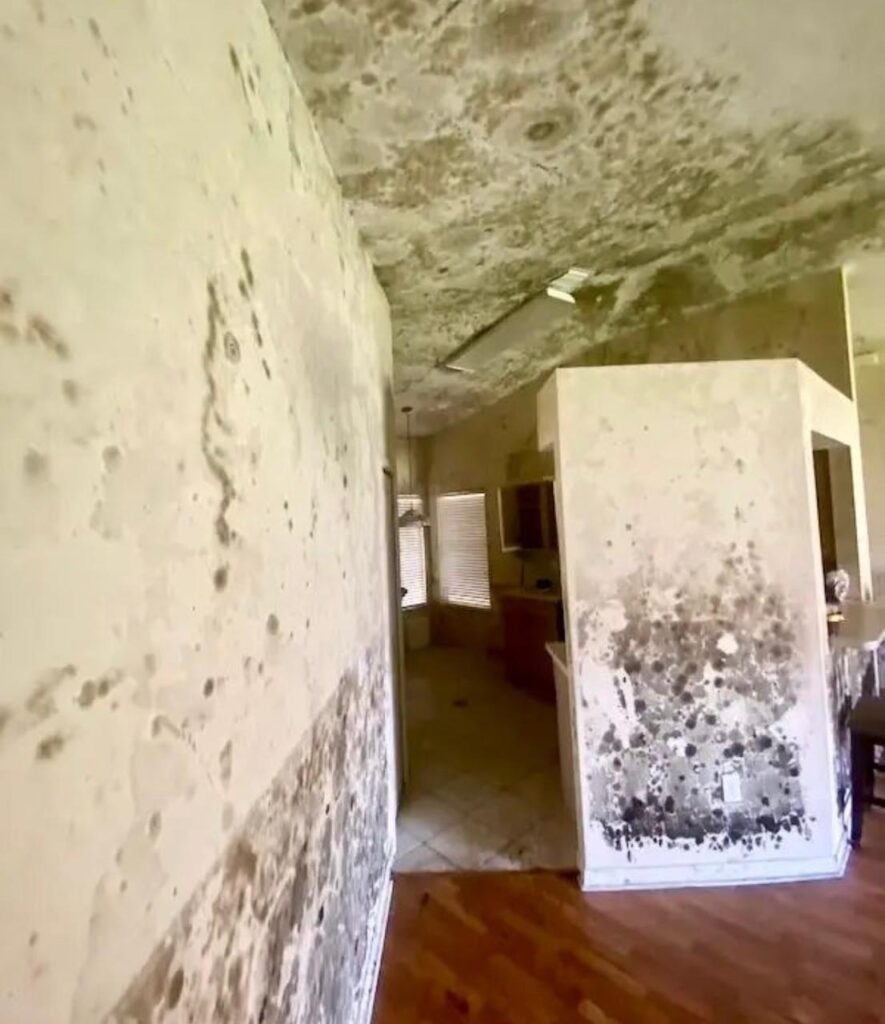
If you own a home in Merritt Island, you’ve probably had questions about mold at some point.
Between river proximity, coastal humidity, summer storms, and year-round air conditioning, Brevard County homes are constantly exposed to moisture. And where moisture lingers, mold can develop.
Below are the most common mold questions Merritt Island homeowners ask — with straightforward answers based on real Florida conditions.
What Causes Mold in Merritt Island Homes?
Mold is almost always caused by moisture.
In Merritt Island, common moisture sources include:
- Roof leaks after heavy storms
- Wind-driven rain during hurricanes
- High indoor humidity
- Clogged AC condensate drain lines
- Plumbing leaks behind walls
- Slab foundation moisture migration
Even small leaks can create enough dampness for mold to grow if materials aren’t dried properly within 24–48 hours.
Florida’s warm climate speeds up that process.
Is Mold Inevitable in Florida?
No — but moisture is.
Mold is preventable when indoor humidity is controlled and water intrusion is addressed quickly.
The key is keeping indoor humidity between 45% and 55%.
When humidity rises above 60% for extended periods, mold conditions become favorable — even without visible leaks.
Homes near water, like many in Merritt Island, may experience slightly higher outdoor humidity, which makes indoor moisture control even more important.
What Does Mold Smell Like?
Most homeowners notice mold by odor before they see it.
It typically smells:
- Musty
- Damp
- Earthy
- Like a wet closet
Closets, guest bedrooms, and rooms along exterior walls are common places where odors develop first because airflow is limited.
If you notice a persistent musty smell that doesn’t go away, it’s worth investigating.
Where Does Mold Usually Hide?
In Merritt Island homes, mold is frequently found in:
- Attics with poor ventilation
- Behind drywall after roof leaks
- Around air conditioning vents
- Inside air handler closets
- Under laminate flooring
- Behind bathroom tile
Attics are especially vulnerable because hot, humid air can condense on roof decking.
Slab homes can also experience moisture migration upward through concrete during prolonged rainy periods.
Do I Need Mold Testing?
Not always.
Testing is helpful when:
- There’s a musty odor but no visible mold
- You’re buying or selling a home
- There are indoor air quality concerns
- You want to identify the type of mold present
If visible mold is obvious and the moisture source is clear, testing may not change the next step — remediation and moisture correction.
Professional inspections focus on finding the moisture first.
Is Black Mold More Dangerous?
“Black mold” is a common term for dark-colored mold.
Color alone does not determine species or risk.
Many molds appear dark. Only laboratory testing can identify specific types.
The bigger issue isn’t the color — it’s the presence of uncontrolled moisture.
Any mold growth inside a home indicates a water or humidity problem that needs correction.
Can I Clean Mold Myself?
Small areas on non-porous surfaces may be manageable.
However, bleach does not penetrate porous materials like drywall or wood effectively. It may lighten stains but not eliminate growth inside materials.
DIY cleaning also doesn’t address hidden moisture.
If mold covers more than a small area or involves structural materials, professional evaluation is recommended.
Disturbing mold without containment can spread spores.
Why Does Mold Keep Coming Back?
If mold returns, moisture was not fully corrected.
Common reasons in Merritt Island homes include:
- Poor attic ventilation
- Persistent high humidity
- Oversized AC systems that don’t dehumidify properly
- Slab moisture migration
- Minor roof leaks
Without correcting the moisture source, mold can reappear — even after cleaning.
How Does My AC System Affect Mold?
Your AC system is your primary dehumidifier in Florida.
If it is:
- Oversized
- Not maintained
- Experiencing clogged drain lines
- Running short cycles
It may cool your home without removing enough humidity.
Regular maintenance and drain line flushing are critical in Brevard County’s climate.
If your home feels cool but damp, humidity may still be elevated.
What Happens During a Mold Inspection?
A professional mold inspection in Merritt Island typically includes:
- Visual examination of ceilings, walls, and baseboards
- Moisture meter readings
- Attic evaluation
- HVAC system inspection
- Thermal imaging if needed
If necessary, air or surface samples may be collected and analyzed by a certified laboratory.
The goal is identifying the moisture source and determining the extent of any growth.
At Brevard Mold Inspections & Removal, inspections focus on clarity and practical solutions.
What Does Mold Remediation Involve?
If mold is confirmed, remediation may include:
- Containment of affected areas
- Removal of contaminated drywall or insulation
- Cleaning structural framing
- HEPA air filtration
- Correction of moisture source
Moisture correction is the most important step.
Without it, mold can return.
How Can I Prevent Mold in Merritt Island?
Prevention centers on moisture control.
Homeowners should:
- Keep indoor humidity between 45–55%
- Service AC systems annually
- Flush condensate drain lines
- Inspect roofs after storms
- Ensure proper attic ventilation
- Run bathroom exhaust fans during and after showers
Homes in nearby Cocoa, Rockledge, Titusville, Satellite Beach, and Melbourne benefit from the same preventive steps.
Consistency is key.
When Should I Schedule an Inspection?
Consider scheduling an evaluation if you notice:
- Persistent musty odors
- Visible mold growth
- Ceiling or wall staining
- Lifting flooring
- Elevated indoor humidity
- Recent storm damage
You don’t need widespread mold to justify inspection.
Early detection prevents larger structural repairs and improves indoor comfort.
Brevard Mold Inspections & Removal provides inspections and remediation throughout Merritt Island and all of Brevard County.
In Florida’s humid climate, mold questions are normal.
The important thing is understanding that mold is a moisture issue first — and moisture can be managed.
Clear answers. Practical steps. Local experience.
That’s how Merritt Island homeowners stay ahead of mold.