
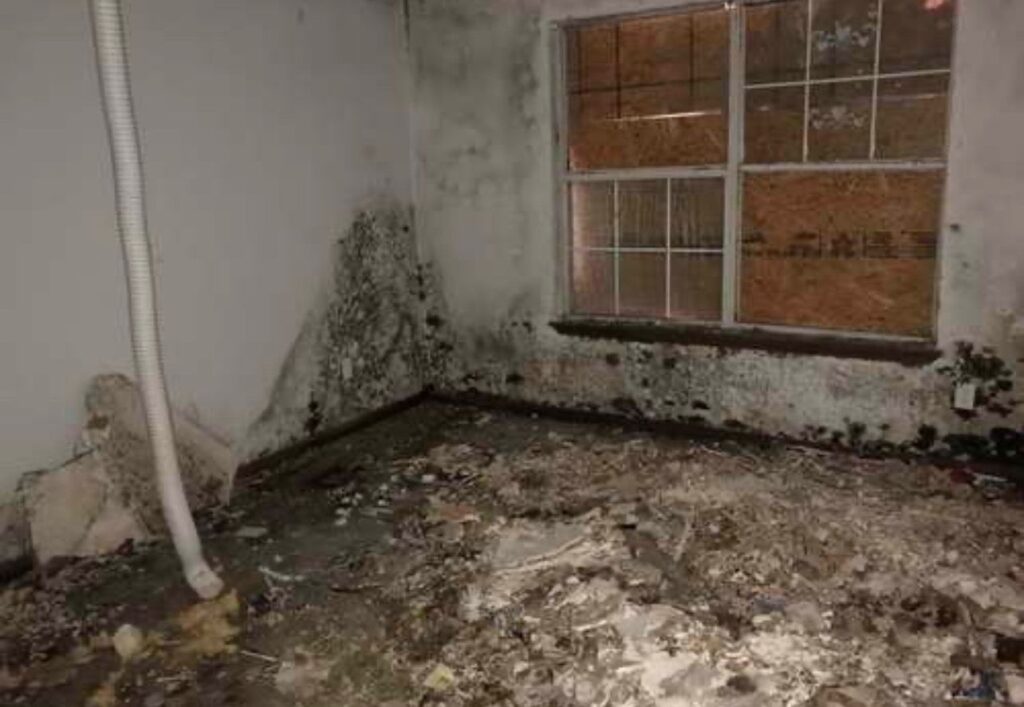
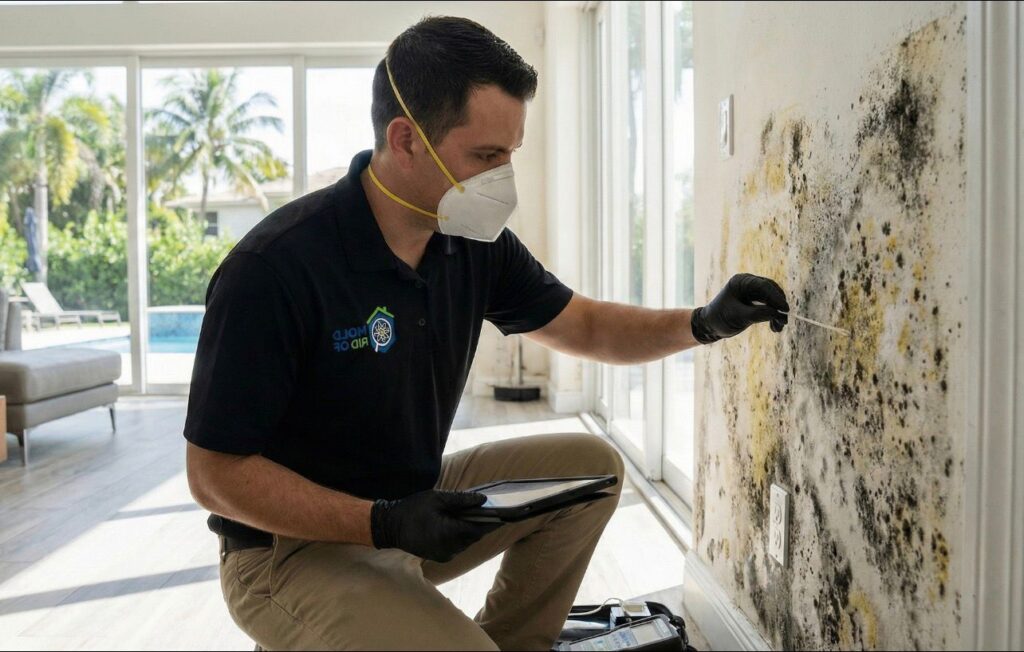
Mold FAQs in Merritt Island: What Homeowners in Brevard County Should KnowMold is one of the most common and misunderstood problems facing homeowners in Merritt Island and throughout Brevard County. Surrounded by the Banana River and Indian River Lagoon, Merritt Island homes are constantly exposed to humidity, moisture, and storm-related water intrusion. Because of this environment, homeowners often have the same questions about mold risks, health effects, inspections, testing, and prevention.Below are the most frequently asked questions about mold in Merritt Island homes, answered clearly and practically to help homeowners make informed decisions.⸻Why Is Mold So Common in Merritt Island Homes?Merritt Island’s coastal geography creates ideal mold conditions. High humidity is present year-round, and warm temperatures allow mold to grow quickly. Many homes also have slab foundations, crawl spaces, enclosed attics, and heavy air-conditioning use, all of which contribute to moisture buildup.Even without flooding, condensation, small leaks, or poor ventilation can create enough moisture for mold to grow within 24 to 48 hours.⸻Is Mold Always Visible?No. In fact, the most serious mold problems are often hidden. Mold frequently grows behind drywall, under flooring, inside HVAC systems, in attics, and in crawl spaces. Homeowners often notice musty odors or health symptoms long before they see visible mold.Visible mold usually represents only a small portion of the total contamination.⸻What Are the Early Signs of Mold in a Home?Common early warning signs include:Musty or earthy odorsWater stains on ceilings or wallsPeeling paint or bubbling drywallPersistent humidity indoorsRecurring allergy or respiratory symptomsCondensation on windows or ventsThese signs indicate moisture problems that may already be supporting mold growth.⸻Can Mold Make You Sick?Mold can affect indoor air quality and trigger health symptoms, especially with prolonged exposure. Reactions vary by individual sensitivity and exposure levels.Common symptoms include:Sneezing and nasal congestionCoughing or throat irritationEye irritation and headachesSkin rashesWorsening asthma or allergy symptomsChildren, elderly individuals, and people with respiratory or immune conditions are more vulnerable.⸻What Is “Black Mold” and Is It More Dangerous?“Black mold” is a common term used to describe dark-colored mold, often associated with Stachybotrys chartarum. This type of mold typically grows on materials that remain wet for long periods.Not all black-colored mold is toxic, but all indoor mold growth should be taken seriously. The key issue is moisture, not color. Any mold indoors indicates a problem that needs correction.⸻Can I Clean Mold Myself?Small surface mold on non-porous materials can sometimes be cleaned, but DIY mold cleanup is risky in Merritt Island’s humid environment. Scrubbing mold can release spores into the air and spread contamination, especially when mold is growing in porous materials like drywall, wood, or insulation.If mold keeps returning, covers large areas, or appears after water damage, professional evaluation is strongly recommended.⸻Why Does Mold Keep Coming Back After Cleaning?Mold returns when moisture problems are not resolved. Cleaning removes visible mold but does not fix leaks, humidity issues, condensation, or ventilation problems.In Merritt Island homes, mold often comes back because of:High indoor humidityHidden leaks behind wallsHVAC condensation issuesPoor attic or crawl space ventilationUntil moisture is controlled, mold will continue to regrow.⸻When Is Mold Testing Necessary?Mold testing is not always required. Testing may be helpful when:Mold is suspected but not visibleHealth concerns are involvedDocumentation is needed for insurance or real estateThe source of mold is unclearTesting does not remove mold. It is used to support inspections and remediation decisions.⸻What Is the Difference Between Mold Inspection and Mold Testing?A mold inspection focuses on identifying moisture sources, visible mold, and conditions that support growth. Mold testing involves collecting air or surface samples for laboratory analysis.An inspection is often the most important step, as correcting moisture problems is the key to stopping mold.⸻How Fast Does Mold Grow After Water Damage?In Florida’s climate, mold can begin growing within 24 to 48 hours after water exposure. This is why fast drying after leaks, storms, or plumbing failures is critical.Delays allow mold to spread behind walls and under floors before visible signs appear.⸻Does Homeowners Insurance Cover Mold?Insurance coverage for mold depends on the cause. Mold caused by sudden and accidental water damage may be covered, while mold from long-term leaks, humidity, or poor maintenance is often excluded.Prompt reporting, proper documentation, and quick mitigation improve the chances of coverage when applicable.⸻Where Does Mold Commonly Grow in Merritt Island Homes?Common mold-prone areas include:Bathrooms and kitchensBehind drywall near plumbingHVAC air handlers and ductsAttics with condensation or roof leaksCrawl spaces with ground moistureClosets and storage areas on exterior wallsThese areas should be inspected regularly.⸻Can Mold Affect Home Value?Yes. Mold issues can reduce property value and complicate real estate transactions. Buyers and inspectors view mold as a red flag, especially if moisture problems are unresolved or poorly documented.Proper remediation, moisture correction, and clear records help protect resale value.⸻How Can I Prevent Mold in My Home?Mold prevention focuses on moisture control.Effective steps include:Controlling indoor humidityRepairing leaks promptlyUsing exhaust fans in bathrooms and kitchensMaintaining HVAC systems and drain linesInspecting attics and crawl spacesAddressing water damage immediatelyHomes that stay dry are far less likely to develop mold.⸻When Should I Take Mold Seriously?Mold should always be taken seriously when:Musty odors persistMold keeps returningHealth symptoms worsen indoorsWater damage has occurredMold appears in HVAC systems, attics, or crawl spacesEarly action prevents more extensive damage and higher costs.⸻Final ThoughtsMold is a common issue for homeowners in Merritt Island due to constant humidity, surrounding waterways, and Florida’s climate. While mold problems can feel overwhelming, understanding how mold grows, where it hides, and how to prevent it makes management far easier.By focusing on moisture control, responding quickly to water issues, and avoiding DIY shortcuts, homeowners in Brevard County can protect indoor air quality, structural integrity, and long-term property value.