
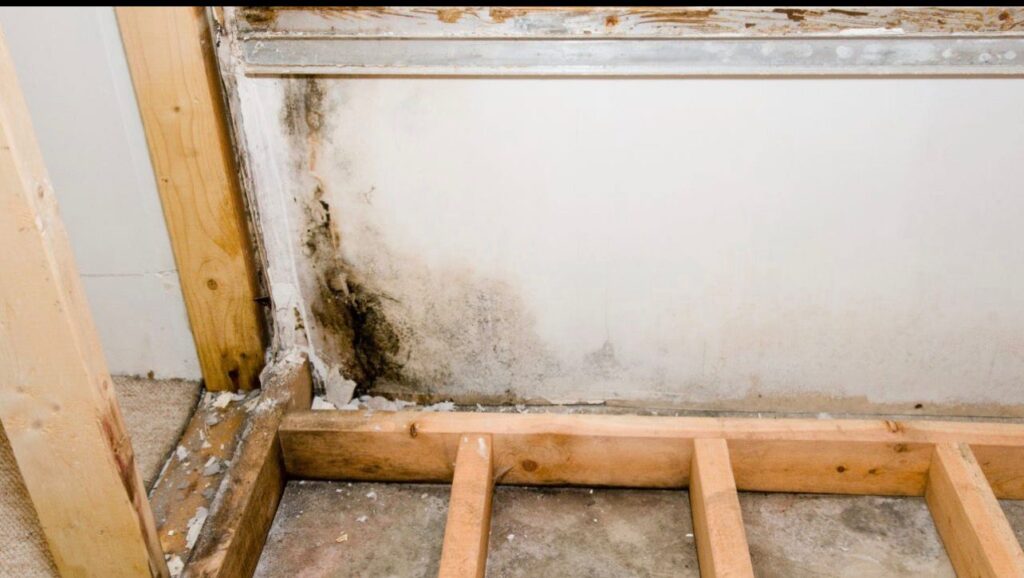
Mold FAQs in Merritt Island: What Homeowners in Brevard County Should Know
If you own a home in Merritt Island, mold is probably something you’ve heard about — especially after heavy rain, hurricane season, or a long stretch of humid summer days.
Living in Brevard County means dealing with high humidity, coastal air, afternoon storms, and air conditioning running almost year-round. All of those factors influence how mold develops inside homes.
Over the years, homeowners in Merritt Island, Cocoa, Rockledge, Titusville, Melbourne, Palm Bay, Viera, Satellite Beach, and Cape Canaveral have asked many of the same questions about mold.
Below are clear, practical answers to the most common concerns — based on real Florida conditions.
What Causes Mold in Merritt Island Homes?
Mold needs three things:
- Moisture
- Organic material (like drywall, wood, dust)
- Time
In Merritt Island, moisture is the key factor.
High humidity, heavy rainfall, AC condensation, plumbing leaks, slab foundations, and attic heat all contribute to indoor moisture buildup.
Even without a visible flood, mold can grow when humidity remains above 60% for extended periods.
Can Mold Grow Without a Major Leak?
Yes.
In Brevard County, we often see mold growth without any dramatic water event.
Common causes include:
- Humid air entering wall cavities
- Condensation on AC vents
- Poor attic ventilation
- Slow plumbing drips
- Moisture rising through slab foundations
Homes in Viera and Palm Bay with tight insulation can trap humidity indoors, which increases the risk of hidden mold.
How Quickly Can Mold Start Growing?
In Florida’s climate, mold can begin forming within 24 to 48 hours after materials become damp.
That doesn’t mean you’ll see it immediately.
Visible growth may take days or weeks, especially if moisture is trapped behind drywall or under flooring.
In warm, humid areas like Merritt Island and Cocoa Beach, growth accelerates faster than in drier climates.
What Does Mold Smell Like?
Most homeowners describe mold as:
- Musty
- Earthy
- Damp
- Similar to wet cardboard
If you notice a persistent odor that worsens after heavy rain in Rockledge or Titusville, that’s often a sign moisture is still present somewhere.
Smell is frequently the first indicator of hidden mold.
Is All Mold Black Mold?
No.
Mold comes in many varieties and colors, including:
- Black
- Green
- White
- Gray
- Brown
Color alone does not determine severity.
Laboratory analysis can identify specific mold types if necessary, but visible color does not automatically indicate a particular level of risk.
Should I Test for Mold?
Testing depends on the situation.
Air or surface sampling may be helpful when:
- Buying or selling a home
- Hidden mold is suspected
- Odors persist without visible growth
- There has been significant water damage
In some cases, visual inspection and moisture detection provide enough information without testing.
A professional evaluation helps determine whether testing adds value.
Why Does Mold Keep Coming Back After Cleaning?
If mold returns after cleaning, moisture is still present.
Bleach and surface cleaners may remove visible staining, but they do not:
- Fix leaks
- Improve ventilation
- Lower humidity
- Dry insulation behind walls
In Florida homes, moisture control is essential. Without it, mold reappears.
Recurring mold near AC vents in Melbourne or around bathroom ceilings in Satellite Beach often indicates condensation or ventilation issues.
Can AC Systems Contribute to Mold?
Yes.
In Brevard County, AC systems run most of the year.
Common AC-related mold issues include:
- Clogged drain lines
- Overflowing condensate pans
- Duct condensation in hot attics
- Poor airflow
- High indoor humidity despite cooling
Cold air meeting humid air creates condensation. That moisture can feed mold growth inside ductwork or nearby framing.
Regular AC maintenance plays a major role in prevention.
Where Is Mold Most Common in Brevard County Homes?
In Merritt Island and surrounding cities, we commonly find mold in:
- Attics (due to poor ventilation or roof leaks)
- Under sinks (plumbing drips)
- Behind drywall (wind-driven rain)
- Under flooring (slab moisture)
- Bathrooms (steam buildup)
- Closets (poor airflow)
- Around window frames (seal failures)
Waterfront properties in Cape Canaveral and Cocoa Beach often experience higher ambient humidity, increasing risk.
How Do Hurricanes Affect Mold Growth?
After hurricanes or major storms in Rockledge, Palm Bay, or Titusville, mold risk increases because:
- Rain penetrates small openings
- Attics absorb moisture
- Indoor humidity remains elevated
- AC systems run continuously
- Slabs absorb ground saturation
Even minor water intrusion can lead to hidden mold if materials aren’t dried thoroughly.
Post-storm inspections are especially important in Brevard County.
Can Mold Grow Under Flooring?
Yes.
Concrete slabs absorb moisture. In humid climates like Florida, that moisture can move upward and become trapped under laminate, vinyl, or carpet.
If flooring feels soft, smells musty, or begins warping, moisture beneath the surface may be present.
This is common in homes across Viera, Palm Bay, and Merritt Island.
What Does a Professional Mold Inspection Include?
A structured inspection typically includes:
- Visual assessment of interior and attic areas
- Moisture detection using professional meters
- Thermal imaging when appropriate
- HVAC evaluation
- Attic and crawl space review
- Air or surface sampling (if needed)
The goal is identifying moisture sources first, then determining whether mold growth is present.
Brevard Mold Inspections & Removal approaches inspections with a focus on moisture mapping and practical evaluation specific to Florida conditions.
What Is Proper Mold Remediation?
Effective remediation includes:
- Containment of affected areas
- Removal of contaminated materials when necessary
- Cleaning structural surfaces
- HEPA filtration
- Correcting moisture sources
- Drying thoroughly before repairs
Without correcting humidity or leaks, mold will return.
Prevention and moisture control are central to long-term success.
How Can I Prevent Mold in My Merritt Island Home?
Prevention revolves around managing moisture.
Here are practical steps:
- Keep indoor humidity below 60%
- Service AC systems annually
- Flush AC drain lines regularly
- Ensure bathroom fans vent outdoors
- Inspect attic ventilation
- Check windows and doors after storms
- Address leaks immediately
- Use dehumidifiers during peak summer months
After heavy rain in Merritt Island or Cocoa, monitor for odors or damp spots.
Early action prevents larger repairs later.
Why Does Local Experience Matter?
Mold in Brevard County behaves differently than in dry inland states.
Here, we deal with:
- Coastal salt air
- High water tables
- Frequent thunderstorms
- Slab foundations
- Attic heat buildup
- Continuous air conditioning
Homes in Merritt Island differ from newer builds in Viera or waterfront condos in Cape Canaveral.
Understanding these local construction patterns and climate conditions makes inspections more accurate and remediation more effective.
That local perspective ensures moisture sources aren’t overlooked.
A Calm, Practical Approach
If you have concerns about mold in your Merritt Island home, the first step is understanding the moisture conditions present.
Most mold issues are manageable when identified early.
There’s no need for alarm — but there is value in clarity.
If you’d like a thorough evaluation tailored to Brevard County’s climate, Brevard Mold Inspections & Removal provides experienced, local inspections designed to address Florida-specific moisture challenges.
Living in Florida means living with humidity. Managing it wisely keeps your home stable, comfortable, and protected year-round.