Mold FAQs in Melbourne: What Homeowners in Brevard County Should Know
In Melbourne, mold questions come up year-round. Homeowners notice a musty smell, a dark spot on the ceiling, or moisture that never seems to fully dry—and the questions start piling up. Is this serious? Is it normal for Florida? Do I need testing, removal, or just better ventilation?
Mold can feel confusing because much of the information online is either exaggerated or not specific to Brevard County homes. Melbourne’s climate, construction styles, and coastal humidity create mold conditions that behave very differently than in drier states. This FAQ-style guide answers the most common mold questions Melbourne homeowners ask, using clear, practical explanations without fear tactics or technical overload.
Why Is Mold So Common in Melbourne Homes?
Mold is common in Melbourne primarily because of moisture, not cleanliness. Florida’s humidity stays high most of the year, and drying happens slowly—especially indoors.
Local contributors include:
- High year-round humidity
- Frequent afternoon rainstorms
- Long AC run times that create condensation
- Slab foundations that trap moisture beneath flooring
- Homes kept closed and air-conditioned for comfort
Mold spores are always present in the air. When moisture lingers, mold has what it needs to grow.
How Fast Can Mold Grow in Florida?
In Brevard County, mold can begin growing within 24–48 hours after materials become wet. This doesn’t mean it will always be visible right away. Often, mold develops slowly behind walls, under flooring, or inside attics before homeowners notice signs.
The key factor isn’t just water—it’s how long moisture sticks around.
Where Does Mold Usually Grow in Melbourne Homes?
Some of the most common mold locations in Melbourne homes include:
- Bathrooms and laundry rooms
- Behind drywall near plumbing lines
- Under sinks and inside cabinets
- Beneath laminate or vinyl flooring
- Attics after roof leaks
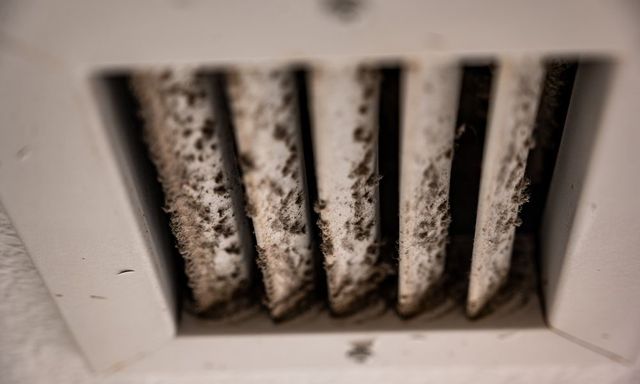
- Around HVAC air handlers and ductwork
Visible mold is often only a small part of the problem. Hidden growth is extremely common in Florida homes.
Is All Mold Dangerous?
Not all mold is dangerous, and not all mold causes noticeable issues. Mold is a natural organism. Problems typically arise when:
- Mold growth is extensive
- Moisture is ongoing
- Mold is hidden and spreading
- Indoor air circulation moves spores throughout the home
In Melbourne homes, the condition of moisture matters far more than the type or color of mold.
What’s the Difference Between Mold and “Black Mold”?
“Black mold” is a general term homeowners use to describe dark-colored mold. Many types of mold can appear black depending on lighting, age, and surface material.
Color alone does not determine severity. What matters more is:
- Why the mold is growing
- How long moisture has been present
- Where the mold is located
- Whether it’s continuing to spread
Dark mold often signals long-term moisture—not necessarily a unique or extreme threat.
Does Bleach Kill Mold?
Bleach may remove surface staining on non-porous materials, but it does not effectively remove mold from porous materials like drywall, wood, or insulation.
In Florida’s humid climate, bleach can actually:
- Leave moisture behind
- Allow mold roots to survive
- Cause mold to return quickly
Bleach addresses appearance—not the cause.
Why Does Mold Keep Coming Back After Cleaning?
Recurring mold almost always means moisture was never resolved.
Common reasons mold returns include:
- AC condensation problems
- Poor ventilation
- Small plumbing leaks
- Roof leaks after storms
- High indoor humidity
Cleaning without fixing moisture is temporary.
Can Mold Grow Without Flooding or Leaks?
Yes. Most mold problems in Melbourne homes are caused by small, ongoing moisture issues, not major floods.
Examples include:
- Bathroom steam without ventilation
- Condensation around AC vents
- Humid air entering through small gaps
- Moisture trapped under flooring
Flooding is not required for mold to grow in Florida.
What Are Early Signs of Mold Problems?
Before visible mold appears, homeowners often notice:
- Musty or earthy odors
- Odors that worsen when the AC runs
- Condensation that doesn’t dry quickly
- Peeling paint or bubbling drywall
- Flooring that feels soft or warped
These are moisture warning signs—even if mold isn’t visible yet.
Can Mold Be Hidden Behind Walls or Floors?
Absolutely. Hidden mold is one of the most common issues in Melbourne homes.
Mold is frequently found:
- Inside wall cavities
- Beneath flooring on slab foundations
- Inside attic insulation
- Behind bathroom and kitchen walls
- Around HVAC components
Because mold doesn’t need light, it can grow undetected for long periods.
Do I Need Mold Testing?
Mold testing isn’t always necessary, but it can be useful when:
- Mold is suspected but not visible
- Odors persist without a clear source
- Confirmation is needed after remediation
- A real estate transaction requires documentation
Testing is most helpful when paired with a professional inspection that explains moisture conditions.
Are DIY Mold Test Kits Reliable?
DIY mold test kits often create confusion. Florida’s naturally high mold levels can produce alarming results even in normal conditions.
Limitations include:
- No outdoor comparison baseline
- No moisture assessment
- No interpretation of results
Without context, results don’t provide clear answers.
Why DIY Mold Cleanup Often Makes Things Worse
DIY cleanup can:
- Spread spores into the air
- Miss hidden mold
- Leave moisture untouched
- Cause mold to return stronger
In homes with central air, disturbed spores can spread throughout the house quickly.
When Is Professional Mold Help Necessary?
Professional evaluation is recommended when:
- Mold keeps returning
- Musty odors persist
- Mold appears on drywall or ceilings
- There is past water damage
- Mold is near HVAC systems
These situations usually involve hidden moisture or growth.
What Does Proper Mold Remediation Involve?
Proper mold remediation focuses on removal and prevention, not just cleaning.
A correct approach includes:
- Identifying and fixing moisture sources
- Containment to prevent spore spread
- Removing contaminated porous materials
- Cleaning remaining surfaces
- Ensuring thorough drying
Skipping moisture correction almost guarantees mold will return.
How Can Melbourne Homeowners Prevent Mold?
Effective prevention includes:
- Regular AC maintenance and drain cleaning
- Using bathroom exhaust fans consistently
- Monitoring indoor humidity
- Inspecting attics after storms
- Addressing leaks immediately
In Brevard County, prevention is ongoing—not a one-time task.
Why Local Experience Matters in Melbourne
Mold behaves differently in Florida than in dry climates. Melbourne homes face challenges tied to humidity, slab construction, and frequent storms.
Local professionals understand:
- Where moisture hides in Brevard County homes
- How AC systems influence indoor humidity
- How storms contribute to hidden leaks
Brevard Mold Inspections & Removal brings that Melbourne-specific experience into every inspection—focusing on clear answers, not fear.
A Calm, Practical Takeaway for Homeowners
Mold questions in Melbourne are normal. Most mold problems trace back to moisture that stayed too long—not neglect or poor housekeeping.
If you’re dealing with recurring mold, unexplained odors, or moisture that doesn’t seem to resolve, a professional inspection can provide clarity. Understanding why mold is present is the most effective way to protect your home, improve indoor comfort, and prevent repeat issues in Brevard County’s challenging climate.
I