
Mold FAQs in Satellite Beach: What Homeowners in Brevard County Should Know
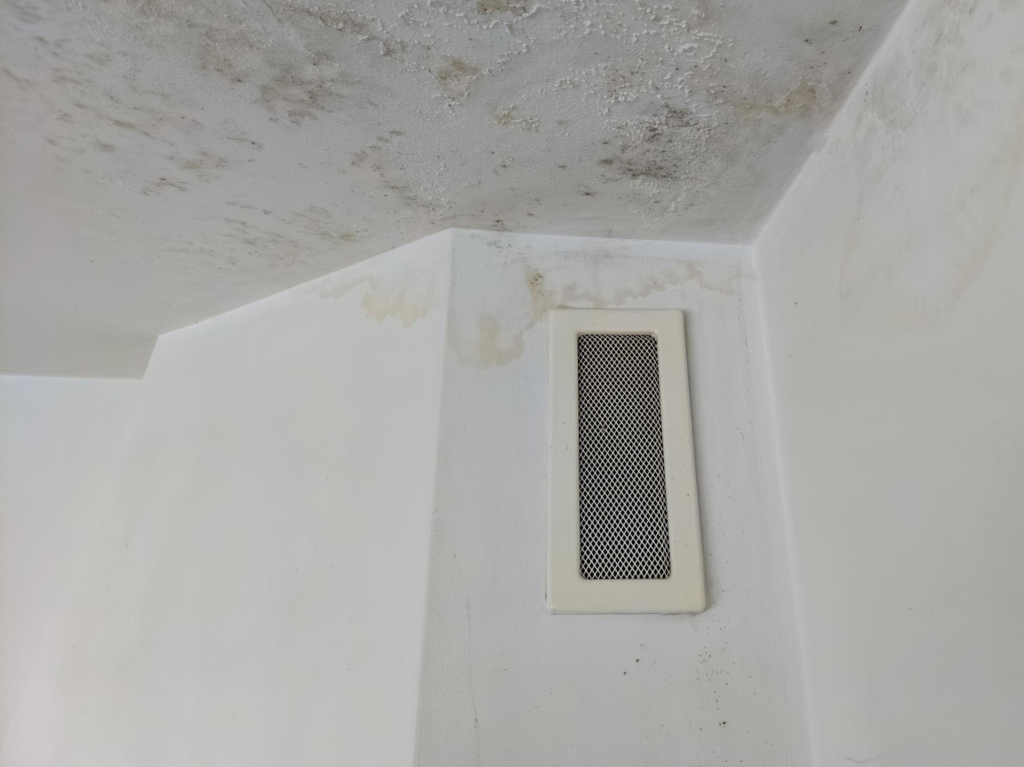
Living in Satellite Beach means enjoying coastal breezes, beach access, and beautiful surroundings year-round. But along with beachside living comes one challenge many homeowners eventually face: moisture and mold.
Because mold problems are so common along Florida’s Space Coast, homeowners often have the same questions — when is mold serious, how does it start, what should you do if you find it, and how can it be prevented?
Across Brevard County, from Satellite Beach to Melbourne, Cocoa, Merritt Island, and Palm Bay, mold inspections often reveal that many concerns homeowners have are manageable when addressed early. Understanding mold basics helps homeowners respond calmly and make smart decisions for their homes.
Below are some of the most frequently asked mold questions homeowners in Satellite Beach ask, along with clear, practical answers.
What Is Mold and Why Does It Grow in Homes?
Mold is a natural part of the environment. Mold spores exist everywhere outdoors and easily enter homes through doors, windows, ventilation systems, and even clothing.
Mold begins growing indoors when spores land on damp materials. Common materials mold feeds on include:
• Drywall
• Wood framing
• Carpet and padding
• Insulation
• Dust and organic debris
• Cabinets and trim
If moisture stays present long enough, mold begins growing.
In Satellite Beach homes, humidity alone can sometimes allow mold to develop even without a plumbing leak.
Why Is Mold So Common in Brevard County?
Florida’s climate naturally supports mold growth.
Several local conditions contribute to mold problems:
High Humidity Year-Round
Outdoor humidity frequently enters homes, making moisture control difficult.
Coastal Moisture Exposure
Ocean air keeps humidity levels elevated in beachside communities like Satellite Beach and Cocoa Beach.
Storms and Hurricanes
Wind-driven rain and roof damage often introduce moisture into homes.
AC Condensation
Air conditioning systems produce condensation, which sometimes leaks or causes hidden moisture buildup.
Heat and Moisture in Attics
Florida attics trap heat and humidity, creating mold-friendly conditions.
Because moisture is constant, prevention requires ongoing attention.
How Do I Know If Mold Is in My Home?
Mold often becomes noticeable through warning signs before homeowners see visible growth.
Common signs include:
• Persistent musty odors
• Dark spots on ceilings or walls
• Mold around vents or windows
• Peeling paint or bubbling drywall
• Warped flooring or baseboards
• Rooms that feel damp or humid
In homes across Rockledge and Titusville, odors are often the first clue that moisture problems exist.
If smells remain after cleaning, mold or moisture may still be present.
Is All Mold Dangerous?
Not all mold affects people the same way. Some individuals may feel more sensitive in damp environments, while others may not notice any changes.
The key concern for homeowners is not the mold type but the moisture conditions allowing mold to grow.
Mold growth indicates excess moisture, which can lead to:
• Damage to drywall and wood materials
• Persistent odors
• Indoor discomfort
• Property value concerns
Addressing moisture early prevents larger problems.
Can I Clean Mold Myself?
Small areas of mold on non-porous surfaces can sometimes be cleaned if moisture conditions are corrected. However, DIY cleanup often fails when mold growth is larger or hidden.
DIY cleanup frequently fails because:
• Mold grows inside porous materials
• Moisture problems remain unresolved
• Spores spread during cleaning
• Hidden contamination is missed
If mold keeps returning, professional evaluation is usually needed.
Where Does Mold Usually Grow in Homes?
Mold grows wherever moisture accumulates.
Common mold locations include:
Bathrooms
Steam from showers creates constant moisture.
Kitchens and Laundry Rooms
Cooking and washing produce humidity.
Around HVAC Systems
Condensation sometimes causes moisture buildup.
Attics
Roof leaks and poor ventilation allow mold growth.
Crawl Spaces
Moisture rises from soil beneath homes.
Behind Walls After Leaks
Hidden moisture often leads to mold.
Homes in Merritt Island and Palm Bay often develop mold in hidden areas long before it appears inside living spaces.
How Fast Does Mold Grow After Water Damage?
In Florida’s warm climate, mold can begin developing within 24–48 hours after materials become wet.
Water damage from storms, plumbing leaks, or AC failures often leads to mold when materials remain damp.
Professional drying after water damage helps prevent mold growth.
Homes across Cocoa and Melbourne frequently develop mold weeks after leaks when drying was incomplete.
Does Mold Always Come From Flooding or Leaks?
Not always. While leaks are common causes, mold also develops from:
• High indoor humidity
• Poor ventilation
• AC condensation problems
• Moisture entering through walls or roofs
• Crawl space humidity
Some homes develop mold simply due to humidity conditions.
Moisture control is key.
Can Mold Affect Indoor Comfort?
Homes with mold problems often feel uncomfortable due to excess moisture.
Homeowners sometimes report:
• Musty smells
• Persistent humidity
• Stale or damp air
• Rooms feeling uncomfortable
Correcting moisture conditions usually restores indoor comfort.
How Do Mold Inspections Work?
Professional mold inspections help determine whether mold growth is limited or widespread and identify moisture sources.
An inspection typically includes:
Visual Examination
Inspecting moisture-prone areas.
Moisture Detection Tools
Locating hidden moisture behind surfaces.
HVAC Evaluation
Checking systems for condensation or airflow problems.
Attic and Crawl Space Inspection
Examining hidden areas for moisture.
Sampling When Necessary
Air or surface testing may confirm mold levels.
Companies like Brevard Mold Inspections & Removal help homeowners understand conditions clearly and recommend next steps.
Many inspections reveal manageable problems caught early.
How Is Mold Removed Properly?
Professional remediation focuses on removing mold safely and correcting moisture conditions.
Typical remediation includes:
Containment Setup
Preventing spores from spreading.
Removal of Damaged Materials
Wet drywall or insulation may require replacement.
Professional Cleaning
Remaining surfaces are cleaned safely.
Moisture Correction
Leaks and humidity problems are corrected.
Final Verification
Ensuring conditions return to normal.
The goal is preventing mold from returning.
How Can I Prevent Mold in My Satellite Beach Home?
Prevention focuses on moisture control.
Helpful prevention steps include:
• Keeping indoor humidity below 55%
• Running bathroom and kitchen exhaust fans
• Maintaining HVAC systems regularly
• Repairing leaks quickly
• Inspecting roofs after storms
• Monitoring previously wet areas
• Checking attics periodically
Homes near coastal areas benefit from extra humidity monitoring.
Routine maintenance prevents larger repairs later.
Why Local Mold Experience Matters
Mold problems in Florida differ from those in cooler climates.
Local professionals understand:
• Coastal humidity patterns
• Hurricane-related moisture intrusion
• Florida slab and crawl space construction
• AC condensation challenges
• Local building materials
Solutions must match Brevard County conditions to be effective.
Local experience helps prevent repeat problems.
A Practical Next Step for Satellite Beach Homeowners
Most mold concerns begin quietly, and many situations are manageable when caught early. Homeowners often just want reassurance that their homes are safe and dry.
If your Satellite Beach home has persistent odors, visible mold, or recent storm or leak damage, a professional inspection can help determine whether action is needed.
Brevard Mold Inspections & Removal assists homeowners throughout Satellite Beach and across Brevard County in identifying mold concerns and recommending practical solutions.
Addressing moisture early protects homes, improves comfort, and helps avoid larger repairs later in Florida’s humid coastal climate.
If something feels off inside your home, checking conditions early often provides peace of mind.