
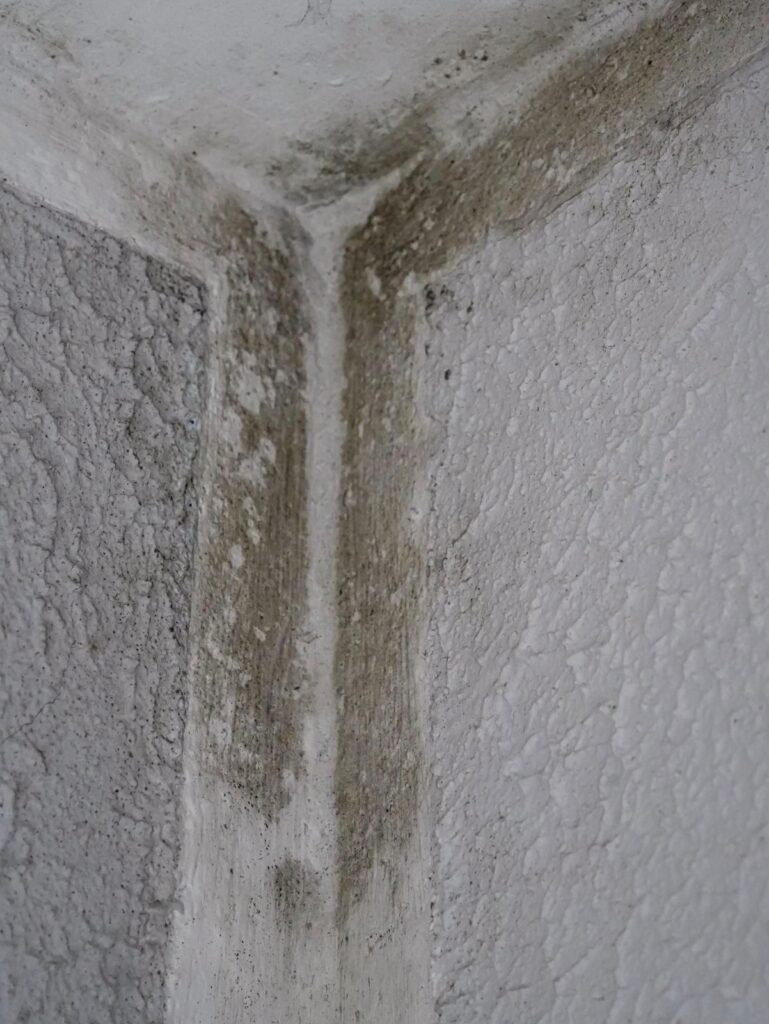
Mold FAQs in Satellite Beach: What Homeowners in Brevard County Should Know
If you live in Satellite Beach, you already know coastal living comes with a unique set of maintenance challenges. Ocean air, salt exposure, high humidity, heavy rain, and hurricane season all play a role in how homes age here in Brevard County.
One topic that comes up often — especially after storms or plumbing issues — is mold.
Homeowners throughout Satellite Beach, Indian Harbour Beach, Cape Canaveral, Merritt Island, Rockledge, Viera, Palm Bay, Cocoa, and Titusville tend to ask similar questions.
Below are clear, practical answers to the most common mold concerns in coastal Brevard County homes.
Is Mold Common in Satellite Beach Homes?
Yes — and it’s largely due to humidity.
Satellite Beach sits directly along the Atlantic Ocean. That means:
- Elevated ambient humidity
- Salt-laden coastal air
- Frequent rainstorms
- Wind-driven rain during hurricanes
- Year-round warm temperatures
Mold spores are naturally present outdoors. Problems arise when moisture builds up indoors and allows spores to grow on surfaces.
Humidity is the driving factor.
Does Mold Always Mean There Was a Major Leak?
No.
While roof leaks and plumbing failures can cause mold, many cases in Satellite Beach develop simply from high humidity or condensation.
Common causes include:
- Bathroom steam buildup
- AC condensation
- Slab moisture under flooring
- Poor attic ventilation
- Wind-driven rain entering small gaps
Mold does not require standing water — just persistent moisture.
How Quickly Can Mold Grow in Florida?
In Brevard County’s warm, humid climate, mold can begin developing within 24 to 48 hours after materials become damp.
However, visible growth may take days or weeks.
In coastal homes, elevated humidity can sustain growth even without recent rain.
What Does Mold Smell Like?
Most homeowners describe mold as:
- Musty
- Earthy
- Damp
- Similar to wet cardboard
If the odor becomes stronger after rain or when the AC runs, moisture may still be present.
Odor is often the first clue of hidden growth.
Is Black Mold More Dangerous Than Other Mold?
“Black mold” is a common phrase, but color alone does not determine severity.
Only laboratory testing can identify specific mold species.
In Satellite Beach homes, the focus should always be on:
- Finding the moisture source
- Correcting it
- Removing affected materials properly
The type of mold matters less than the conditions allowing it to grow.
Should I Test for Mold?
Testing may be helpful when:
- Buying or selling a home
- Hidden mold is suspected
- There has been recent water damage
- Odors persist without visible growth
- Verifying post-remediation results
However, if visible mold is clearly present, testing may not be necessary before remediation.
Moisture correction is always the first priority.
Where Does Mold Commonly Grow in Satellite Beach?
In coastal Brevard County homes, mold often appears in:
Attics
High heat and humidity cause condensation on roof decking.
HVAC Systems
AC drain lines clog, or ductwork sweats in hot attic spaces.
Under Flooring
Slab moisture becomes trapped beneath laminate or vinyl.
Bathrooms
Steam buildup leads to ceiling mold.
Closets
Limited airflow allows humidity to accumulate.
Behind Exterior Walls
Wind-driven rain during storms can dampen insulation.
Ocean proximity increases overall humidity exposure.
Why Does Mold Keep Coming Back After Cleaning?
If mold returns after cleaning, moisture is still present.
Bleach and surface cleaners:
- Do not correct leaks
- Do not lower indoor humidity
- Do not dry hidden materials
- Do not fix ventilation problems
In Florida’s climate, cosmetic cleaning without moisture correction leads to recurrence.
Addressing humidity and airflow is essential.
Can AC Systems Cause Mold?
Yes.
AC systems in Satellite Beach run most of the year.
Common HVAC-related mold sources include:
- Clogged condensate drain lines
- Standing water in drain pans
- Duct condensation
- Poor airflow
- Dirty evaporator coils
Cool air meeting humid coastal air creates condensation.
Regular HVAC maintenance helps prevent mold growth inside the system.
What Happens During a Mold Inspection?
A professional mold inspection in Satellite Beach typically includes:
- Visual examination of affected areas
- Moisture meter readings in walls and flooring
- Attic ventilation evaluation
- HVAC inspection
- Slab moisture assessment
- Air or surface sampling (if needed)
The goal is identifying moisture sources and determining whether active mold growth is present.
At Brevard Mold Inspections & Removal, inspections focus on moisture mapping specific to coastal Florida homes.
Does Insurance Cover Mold?
Coverage depends on the cause.
Sudden and accidental events like:
- Burst pipes
- Storm-related roof damage
May be covered under homeowner policies.
Long-term humidity or maintenance-related issues may not be covered.
Documentation of the moisture source is important when filing claims.
How Can I Prevent Mold in Satellite Beach?
Prevention focuses on humidity control.
Practical steps include:
- Keeping indoor humidity below 60%
- Servicing AC systems annually
- Flushing condensate drain lines
- Ensuring bathroom fans vent outdoors
- Inspecting attic ventilation
- Addressing roof leaks quickly
- Monitoring slab moisture
- Using dehumidifiers during peak summer months
After hurricanes or heavy storms, inspect attic spaces and ceilings promptly.
Early drying reduces risk significantly.
Why Local Experience Matters
Mold behavior in Satellite Beach differs from dry inland climates.
Here, we manage:
- Coastal humidity
- Salt air corrosion
- Hurricane rainfall
- Slab foundations
- High water tables
- Continuous AC operation
Homes in Satellite Beach differ from inland properties in Palm Bay or newer developments in Viera.
Understanding Brevard County construction patterns ensures inspections focus on realistic moisture pathways.
Local experience prevents unnecessary alarm and ensures accurate evaluation.
A Calm, Practical Approach
Mold is common in Florida — especially along the coast.
The key is identifying moisture early and addressing it properly.
Most mold issues in Satellite Beach are manageable when handled methodically.
If you’re unsure whether mold is present or what steps are needed, a structured inspection can provide clarity.
Brevard Mold Inspections & Removal offers experienced, locally informed evaluations tailored specifically to Brevard County’s coastal conditions.
Living by the ocean means managing humidity thoughtfully. With the right approach, your home can stay dry, stable, and comfortable year-round.