
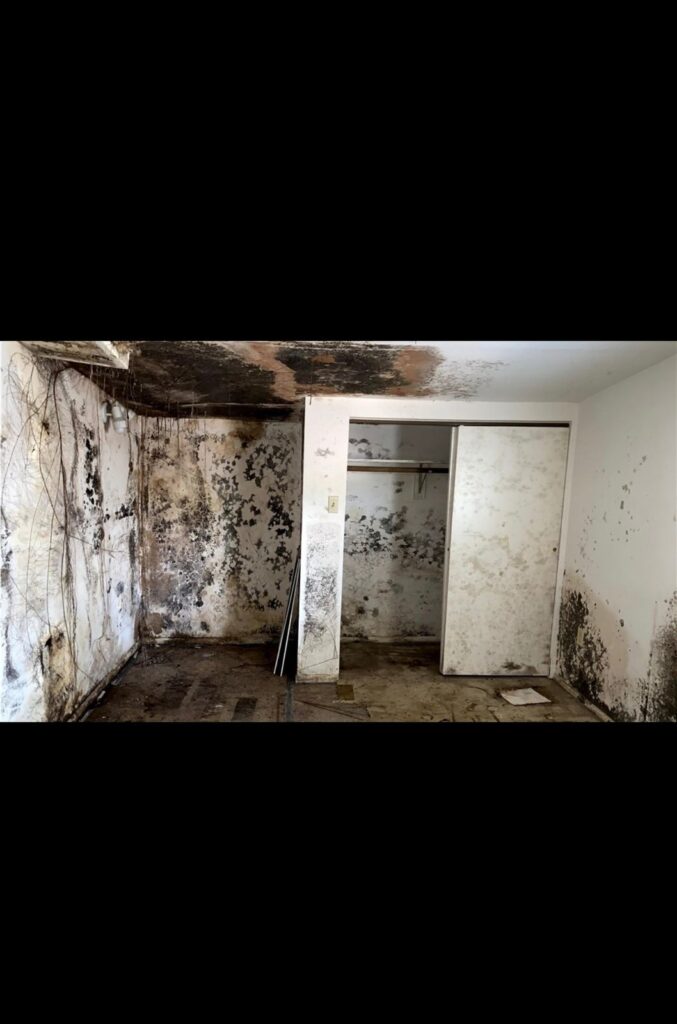
Mold FAQs in Satellite Beach: What Homeowners in Brevard County Should KnowMold is one of the most common — and misunderstood — issues homeowners face in Satellite Beach and across Brevard County. Coastal humidity, salt air, frequent storms, and year-round air conditioning create ideal conditions for mold growth, even in well-maintained homes. Many homeowners aren’t sure what’s normal, what’s dangerous, or when action is actually needed.This FAQ guide answers the most common mold questions Satellite Beach homeowners ask, using clear, practical information without fear tactics.⸻What Causes Mold in Satellite Beach Homes?Mold grows when moisture remains present long enough for spores to develop.Common causes include: • High coastal humidity • Wind-driven rain during storms • Roof or window seal failures • Plumbing leaks • AC condensation problems • Flooding or standing water • Poor ventilation in bathrooms and kitchensIn Brevard County’s climate, mold can begin growing within 24–48 hours after moisture intrusion.⸻Is Mold Common in Coastal Homes?Yes. Mold is extremely common in Satellite Beach homes because: • Humidity stays high most of the year • Salt air accelerates material wear • Storms push moisture into small exterior gaps • Homes rely heavily on AC systemsThe presence of mold does not automatically mean a home is poorly maintained.⸻Is All Mold Dangerous?No, but all indoor mold is a problem.Some molds mainly cause odors or cosmetic staining, while others irritate the respiratory system or worsen allergies. Health effects depend on: • Amount of mold present • Length of exposure • Individual sensitivity • Ventilation and airflowHidden mold poses a higher risk because exposure is continuous.⸻What Does Mold Look Like?Mold can appear as: • Black, green, brown, or white spots • Fuzzy or slimy patches • Staining on walls or ceilings • Discoloration that spreads or returns after cleaningNot all mold is dark or dramatic. Some appears as light staining or shadowing.⸻What Does Mold Smell Like?Mold often produces a: • Musty • Earthy • Damp odorOdors may be: • Stronger when AC runs • Worse after rain or humidity spikes • Trapped in closets or closed roomsPersistent odors usually indicate hidden mold.⸻Where Does Mold Commonly Hide?Hidden mold is more common than visible mold.Typical locations include: • Behind drywall and baseboards • Under sinks and cabinets • Inside HVAC systems and ductwork • Attics and crawl spaces • Under flooring and carpet padding • Behind bathroom tile • Closets on exterior wallsVisible mold is often only part of the problem.⸻Can I Clean Mold Myself?Sometimes — but only in limited situations.DIY cleanup may be reasonable when: • Mold covers a very small area • Growth is on non-porous surfaces • The moisture source is fully fixed • No odors or health symptoms existDIY cleanup is risky when mold is on drywall, ceilings, inside walls, or keeps returning.⸻Why Does Mold Keep Coming Back?Recurring mold usually means: • Moisture is still present • Indoor humidity is too high • Mold roots remain in porous materials • HVAC systems are spreading spores • Ventilation is inadequateCleaning without moisture control does not stop mold.⸻Does Bleach Kill Mold?Bleach only kills surface mold.Limitations include: • It does not penetrate porous materials • Mold roots remain behind • Added moisture feeds regrowth • Mold often returns quicklyBleach is not a long-term solution for indoor mold.⸻Should I Get Mold Testing?Testing is not always necessary.Testing may be helpful when: • Mold is suspected but not visible • Odors persist without visible growth • Health symptoms are unexplained • Documentation is needed for insurance or real estateVisible mold generally justifies remediation without testing.⸻How Does Mold Affect Health?Possible effects include: • Sneezing or coughing • Nasal congestion • Sinus irritation • Headaches • Eye or throat irritation • Worsening asthma or allergiesChildren, seniors, and individuals with respiratory conditions are more sensitive.⸻Can Mold Affect Indoor Air Quality?Yes. Mold releases spores into the air.When mold is present: • Indoor air quality declines • Odors circulate through HVAC systems • Symptoms may worsen indoorsHidden mold can impact air quality even without visible growth.⸻How Fast Does Mold Grow?In Florida conditions, mold can begin growing within 24–48 hours after water exposure and spread quickly if moisture remains.⸻Is Mold Covered by Insurance?Sometimes.✔ Often covered if caused by sudden, accidental water damage❌ Often denied if caused by long-term leaks or humidityCoverage depends on policy language and response time.⸻What Should I Do After Water Damage?Immediate steps include: • Stop the water source • Dry affected areas quickly • Document damage • Monitor humidity • Watch for odors or stainingQuick action reduces mold risk and improves insurance outcomes.⸻How Can I Prevent Mold in Satellite Beach Homes?Effective prevention includes: • Keeping indoor humidity between 30–50% • Using bathroom and kitchen exhaust fans • Fixing leaks immediately • Maintaining AC systems • Inspecting after storms • Monitoring humidity levels • Improving airflow in closets and storage areasMoisture control is the most important factor.⸻When Should I Call a Professional?Professional evaluation is recommended when: • Mold keeps returning • Mold is widespread or hidden • Odors persist • Water damage occurred • Health symptoms appear • HVAC systems are involvedEarly evaluation often reduces overall costs.⸻Final ThoughtsMold is a common issue for homeowners in Satellite Beach and across Brevard County, especially in coastal environments. Understanding how mold forms, recognizing early warning signs, and controlling moisture are the most effective ways to protect your home and indoor air quality.Clear information and early action make all the difference.