
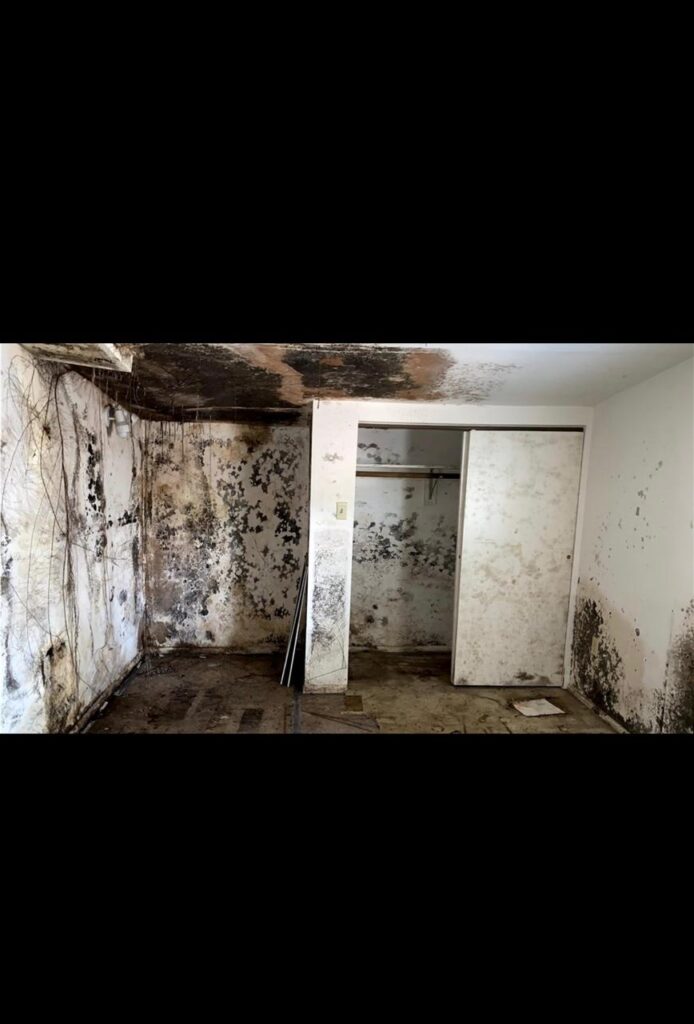
Mold FAQs in Satellite Beach: What Homeowners in Brevard County Should Know
If you live in Satellite Beach, mold isn’t a strange topic — it’s a common one.
Between coastal humidity, afternoon thunderstorms, hurricane season, and air conditioning running most of the year, homes throughout Brevard County deal with moisture regularly. From Cocoa Beach and Cape Canaveral to Melbourne, Palm Bay, Rockledge, Merritt Island, Titusville, and Viera, homeowners ask many of the same mold-related questions.
Below are clear, straightforward answers to the most common mold concerns we hear locally.
Is Mold Common in Satellite Beach Homes?
Yes — mostly because humidity is constant.
Satellite Beach sits directly along the coast, where salt-laden air carries moisture year-round. Even with windows closed, indoor humidity can remain elevated. When combined with daily showers, cooking, and AC condensation, moisture accumulates easily.
Mold growth here is typically tied to:
- Roof leaks after storms
- Clogged AC drain lines
- Poor attic ventilation
- Plumbing leaks
- Slab moisture intrusion
Mold itself isn’t unusual. Persistent moisture is the real issue.
How Fast Can Mold Grow in Florida?
In Brevard County’s climate, mold can begin developing within 24–48 hours after materials become wet.
Warm temperatures accelerate growth. That’s why drying after storms in Cape Canaveral or heavy rain in Melbourne needs to happen quickly.
If drywall, insulation, or wood remains damp, mold can spread quietly behind walls before it becomes visible.
What Does Mold Smell Like?
Many homeowners first notice mold by smell rather than sight.
Common descriptions include:
- Musty
- Damp
- Earthy
- Stale
If you walk into a room in your Satellite Beach home and consistently notice a musty odor — especially after rain — it may signal hidden moisture.
Odor is often an early warning.
Is All Black Mold Dangerous?
The term “black mold” is often used broadly.
Mold comes in many colors — black, green, gray, or brown. Color alone does not determine severity.
What matters most is:
- How much growth is present
- Whether moisture is still active
- Whether the mold is spreading
In Titusville, Rockledge, and Palm Bay homes, dark-colored mold often results from long-term moisture rather than something rare or unusual.
The focus should always be moisture control.
Can I Clean Mold Myself?
Small surface mildew on tile or grout in bathrooms can sometimes be cleaned.
However, DIY cleaning often fails when:
- Mold is inside drywall
- Growth is behind cabinets
- Moisture remains active
- The area is larger than a few square feet
Bleach may lighten stains but does not address moisture inside porous materials like drywall.
If mold keeps returning after cleaning, the underlying moisture source likely hasn’t been corrected.
How Do I Know If Mold Is Behind My Walls?
Hidden mold is common in Brevard County homes, especially after hurricanes or plumbing leaks.
Signs may include:
- Persistent musty odor
- Bubbling paint
- Soft drywall
- Recurring stains
- Warped baseboards
- Slightly lifted flooring
In slab-built homes in Cocoa or Viera, moisture can migrate upward under flooring materials.
A professional moisture inspection is often needed to confirm concealed dampness.
Does Homeowners Insurance Cover Mold?
Coverage varies depending on the cause.
If mold results from a sudden event — such as storm damage or a burst pipe — coverage may apply. If mold results from long-term humidity or maintenance issues, coverage may be limited.
After hurricanes in Cape Canaveral or Satellite Beach, it’s important to document water intrusion immediately.
Always consult your insurance provider for specifics.
What Happens During a Professional Mold Inspection?
When Brevard Mold Inspections & Removal evaluates a home, the process focuses on identifying moisture sources first.
Typical steps include:
- Visual inspection of affected areas
- Moisture meter testing
- Thermal imaging when appropriate
- Attic and HVAC system evaluation
- Air or surface sampling if necessary
The goal is to determine whether moisture is active and whether mold remediation is required.
It’s about clarity — not alarm.
What Does Proper Mold Removal Involve?
Professional mold remediation in Satellite Beach and across Brevard County typically includes:
- Containment – Preventing spores from spreading.
- Source Repair – Fixing leaks or ventilation problems.
- Removal of Damaged Materials – When necessary.
- HEPA Cleaning & Filtration – Reducing airborne particles.
- Moisture Verification – Ensuring the area is dry before rebuilding.
Mold removal without moisture correction is incomplete.
How Can I Prevent Mold in My Satellite Beach Home?
In Florida, prevention centers on moisture control.
Practical steps include:
- Keep indoor humidity between 45–55%
- Service AC systems annually
- Flush AC drain lines regularly
- Inspect attic ventilation
- Repair roof damage quickly
- Use bathroom exhaust fans consistently
- Address plumbing leaks immediately
After heavy rain in Satellite Beach or Cocoa Beach, check ceilings and baseboards for staining.
Small issues are easier to fix early.
Why Does Local Experience Matter?
Mold in Florida behaves differently than in dry climates.
Homes in Merritt Island may struggle with attic humidity. Slab homes in Palm Bay often face subfloor moisture. Coastal homes in Cape Canaveral deal with salt-air exposure.
Understanding local construction styles, storm patterns, and AC systems makes inspections more accurate.
Working with a company familiar with Brevard County conditions ensures the evaluation reflects real local factors.
When Should I Schedule an Inspection?
Consider scheduling an evaluation if:
- Musty odors persist
- You’ve experienced storm damage
- Mold keeps returning after cleaning
- You’re buying or selling a home
- Indoor humidity feels consistently high
A professional inspection offers reassurance — and early intervention if needed.
Final Thoughts for Satellite Beach Homeowners
Mold questions are normal in Satellite Beach.
Living along the coast means managing moisture year-round. Most mold issues stem from small water problems that went unnoticed or unresolved.
The key isn’t fear — it’s awareness.
Monitor humidity. Address leaks quickly. Inspect your home after storms.
If you’re unsure about mold in your home, a calm, professional evaluation can provide clarity and direction.
In Brevard County, staying proactive about moisture is simply part of responsible homeownership.