
Mold Growth Patterns in Coastal Florida Homes Like Merritt Island
Homeowners across Merritt Island often notice that mold problems seem to appear in similar places, regardless of the age or style of the home. Whether the property sits along Sykes Creek, near the Banana River, or in neighborhoods across North and South Merritt Island, mold tends to follow predictable patterns.
That’s because coastal Florida homes share the same environmental pressures: persistent humidity, warm temperatures, salt air exposure, heavy storms, and long periods of air conditioning use. Over time, these conditions create ideal environments for mold growth in certain parts of homes.
Understanding these common mold growth patterns helps homeowners spot early warning signs and prevent larger problems from developing.
What Mold Growth Patterns Really Mean
Mold growth patterns refer to the typical places mold tends to develop based on moisture and airflow conditions inside homes.
Mold doesn’t grow randomly. It appears where moisture lingers long enough for spores to settle and multiply. In Merritt Island homes, moisture often builds up in specific areas due to coastal humidity and temperature differences between indoor and outdoor spaces.
Typical pattern areas include:
• Exterior-facing walls
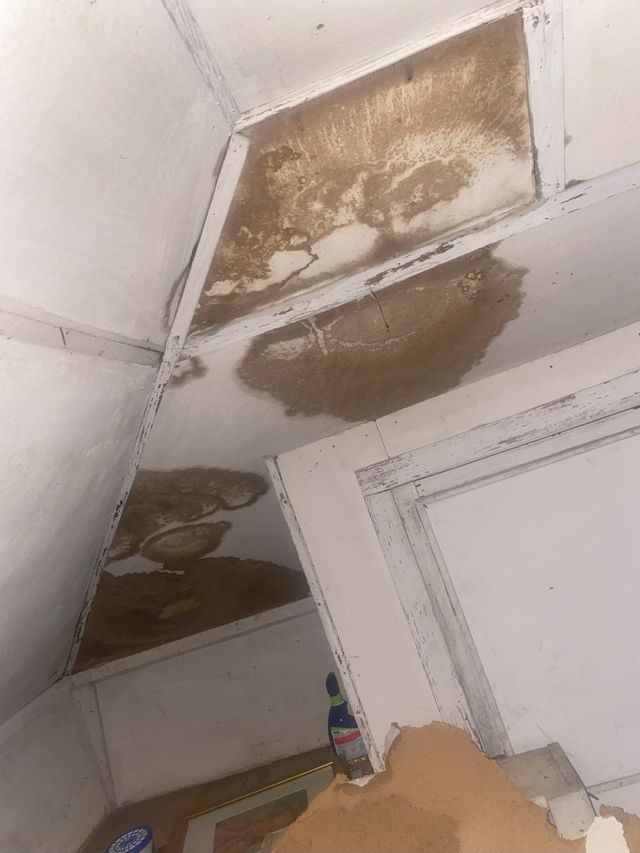
• Attics and roof structures
• Around AC vents and ducts
• Under flooring or carpets
• Bathrooms and kitchens
• Closets and closed rooms
These patterns repeat across many island homes, regardless of whether they are older properties or newer construction.
Why This Happens So Often in Merritt Island
Several environmental factors combine to make mold growth predictable in coastal communities like Merritt Island.
Constant Humidity From Surrounding Waterways
Being surrounded by water on both sides keeps humidity levels high almost year-round. Even when homes are air-conditioned, moisture remains trapped in building materials.
Warm, humid outdoor air meets cooler indoor surfaces, causing condensation in hidden areas.
High Water Tables
Homes across Merritt Island often sit on land with high groundwater levels. Moisture can travel upward through foundations, especially in slab homes, increasing indoor humidity.
Storms and Hurricane Exposure
Heavy rains and hurricanes frequently impact Brevard County. Even minor storm damage or wind-driven rain intrusion can leave moisture behind inside walls or attics.
Mold then grows quietly long after the storm has passed.
Heavy Air Conditioning Use
Air conditioning cools indoor air but can also create condensation when temperature differences occur between cooled rooms and warmer building spaces like attics or walls.
Common Signs Homeowners Notice
Because mold patterns tend to repeat, homeowners often report similar warning signs.
Common signs include:
• Musty odors in certain rooms
• Dark spots on ceilings or corners
• Mold near vents or windows
• Peeling paint or bubbling drywall
• Damp closets or storage areas
• Allergy-like symptoms indoors
In many Merritt Island homes, mold first appears in spare bedrooms, closed rooms, or areas with poor airflow.
Hidden or Overlooked Mold Sources
Many mold growth patterns occur in places homeowners rarely inspect.
Behind Exterior Walls
Walls facing outdoors experience temperature differences between indoor cooling and outdoor heat. Moisture often forms inside these walls, allowing mold to grow unseen.
Under Flooring
Tile, laminate, or carpet installed over concrete slabs can trap moisture beneath. Mold may grow underneath flooring without visible surface signs.
Attics
Hot attic air meeting cooler air from inside homes causes condensation on roof decking and insulation. Attic mold is extremely common in coastal Florida homes.
HVAC Systems
Condensation inside ducts or around air handlers allows mold to spread through airflow systems.
Past Leaks or Repairs
Areas with previous leaks may still contain hidden moisture, which encourages mold to return over time.
Why DIY Mold Removal Usually Fails
Homeowners often attempt to clean mold themselves, but mold growth patterns return if moisture causes aren’t corrected.
Common DIY mistakes include:
• Cleaning only visible mold
• Using bleach on porous materials
• Painting over mold stains
• Ignoring humidity problems
Bleach may remove surface discoloration but does not eliminate mold embedded in materials.
When moisture remains, mold simply regrows in the same pattern areas.
Disturbing mold without containment may also spread spores to other parts of the home.
Professional Mold Inspection & Testing Explained
Professional inspections focus on identifying moisture conditions behind mold patterns.
A typical inspection includes:
Visual Inspection
Inspectors check common mold pattern areas like walls, ceilings, attics, and HVAC systems.
Moisture Mapping
Meters measure hidden moisture levels inside building materials.
Thermal Imaging
Thermal cameras detect temperature differences where condensation forms.
Sampling When Needed
Air or surface samples may be collected when mold is hidden or air quality concerns exist.
Results are explained clearly so homeowners understand both the problem and the solution.
Proper Mold Removal & Remediation Process
Professional remediation focuses on both removing mold and correcting moisture conditions.
Typical steps include:
• Containment to prevent spore spread
• Removal of mold-damaged materials
• Cleaning and sanitizing affected areas
• Drying and dehumidifying spaces
• Fixing moisture sources
• Preventive improvements
Proper remediation stops mold from returning in the same pattern areas.
How to Prevent Mold in Coastal Merritt Island Homes
Prevention involves managing moisture and airflow.
Helpful steps include:
• Maintain indoor humidity below 55%
• Service AC systems regularly
• Keep airflow consistent throughout the home
• Use dehumidifiers in problem rooms
• Vent bathrooms and kitchens properly
• Inspect attics annually
• Check homes after storms or heavy rains
• Monitor condensation around windows or vents
Homes near Sykes Creek or canal-front areas benefit from humidity monitoring devices.
Why Local Merritt Island Experience Matters
Mold patterns in coastal homes differ from inland properties.
Professionals familiar with Merritt Island homes understand:
• Coastal humidity behavior
• Island construction styles
• Common attic and duct moisture issues
• Storm-related moisture risks
Local experience allows faster diagnosis and more effective solutions.
Companies like Mold Removal Merritt Island understand how these environmental conditions affect local homes and can quickly identify pattern-based mold growth.
A Calm Next Step for Homeowners
If mold keeps appearing in the same areas of your home, or if musty odors seem persistent, a professional evaluation can help determine why.
Mold growth patterns often reveal underlying moisture problems that can be corrected before larger damage occurs.
A professional inspection offers clarity and practical solutions, helping homeowners protect their property and indoor comfort.
Across Merritt Island, early action helps prevent mold from spreading behind walls, under floors, or through HVAC systems — saving both stress and repair costs in the long run.