Mold Health Effects in Cape Canaveral: What Homeowners in Brevard County Should Know
In Cape Canaveral, homeowners often begin asking about mold health effects after noticing ongoing musty odors, recurring mold growth, or changes in how they feel inside their home. Because this area sits right along the coast, homes are constantly exposed to high humidity, salt air, storms, and moisture-rich conditions. Over time, these factors can create environments where mold grows quietly—sometimes long before it’s visible.
It’s important to approach mold and health concerns calmly and realistically. Mold issues in Brevard County are usually tied to indoor moisture conditions, not sudden or extreme events. Understanding how mold exposure can affect comfort, where mold commonly hides in Cape Canaveral homes, and why moisture control matters helps homeowners make informed decisions without unnecessary fear.
Why Mold Exposure Concerns Are Common in Cape Canaveral
Cape Canaveral’s coastal environment makes mold growth more likely than many homeowners expect.
Local conditions that contribute include:
- Persistent ocean-side humidity
- Wind-driven rain during storms
- Salt air affecting seals and building materials
- Long AC run times creating condensation
- Slab foundations common in the area
- Homes kept closed and air-conditioned most of the year
These factors allow moisture to linger inside homes, which supports mold growth and increases the chance of prolonged indoor exposure.
How Mold Exposure Typically Happens Indoors
Mold exposure in homes usually doesn’t come from one visible patch on a wall. It often results from ongoing exposure to mold spores in indoor air, especially when mold is hidden.
Common exposure pathways include:
- Mold growing behind walls or under floors
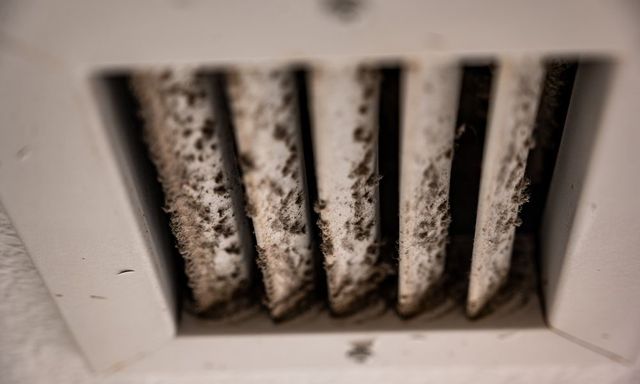
- Mold inside HVAC systems circulating spores
- Attic mold affecting upper living spaces
- Bathroom mold spreading through poor ventilation
Because HVAC systems move air throughout the home, mold in one area can affect multiple rooms.
Common Comfort-Related Effects Homeowners Notice
While this is not medical advice, many homeowners report changes in comfort or well-being when mold is present indoors—especially in humid coastal homes like those in Cape Canaveral.
Commonly reported effects include:
- Nasal or sinus irritation indoors
- Itchy or watery eyes
- Throat irritation
- Headaches that improve when leaving the home
- Increased sneezing or coughing indoors
- Feeling worse in certain rooms
These experiences are often linked to poor indoor air quality caused by moisture and mold, not just visible growth.
Why Symptoms Often Improve Outside the Home
One of the most telling signs homeowners report is feeling better when they leave the house.
This happens because:
- Outdoor air dilutes mold spores
- Indoor moisture sources are removed
- HVAC-related circulation stops
When comfort improves outside or away from home for extended periods, indoor conditions may be contributing.
Hidden Mold and Ongoing Exposure
Hidden mold is a major reason health-related concerns persist.
In Cape Canaveral homes, hidden mold commonly grows:
- Behind drywall near plumbing
- Under laminate or vinyl flooring
- Inside wall cavities on exterior walls
- In attics after storms
- Inside HVAC air handlers and ductwork
Because this mold isn’t visible, exposure can continue without homeowners realizing the source.
Bathrooms and Mold Exposure
Bathrooms are one of the most common starting points for mold-related discomfort.
Bathroom mold exposure increases when:
- Exhaust fans aren’t used consistently
- Fans vent into attics instead of outdoors
- Steam lingers on ceilings and walls
Bathroom mold is usually a ventilation and moisture issue, not a cleaning issue.
HVAC Systems and Indoor Air Quality
HVAC systems play a major role in how mold affects comfort.
When mold develops inside HVAC components:
- Spores can circulate throughout the home
- Odors become persistent
- Exposure becomes continuous
This is why homeowners often notice symptoms worsening when the AC is running.
Slab Foundations and Under-Floor Mold
Most Cape Canaveral homes are built on slab foundations. Moisture can migrate upward and become trapped beneath flooring.
This can lead to:
- Mold under floors with no visible signs
- Musty odors that spread through the home
- Ongoing exposure without obvious mold
Under-floor mold is a common but overlooked contributor to indoor air concerns.
Why Cleaning Visible Mold Doesn’t Resolve Exposure
Cleaning visible mold often provides temporary relief—but symptoms may return.
This happens because:
- Mold roots remain inside porous materials
- Hidden mold continues growing
- Moisture conditions remain unchanged
- Cleaning releases spores into the air
Without addressing moisture and hidden growth, exposure can continue.
DIY Cleanup and Exposure Risks
DIY mold cleanup can unintentionally increase exposure.
Risks include:
- Scrubbing releasing spores
- Spreading mold to other rooms
- Missing hidden growth
- Adding moisture during cleaning
In humid Florida homes, DIY efforts often make mold exposure worse instead of better.
Warning Signs Mold May Be Affecting Indoor Comfort
Homeowners should pay attention to patterns rather than isolated symptoms.
Common warning signs include:
- Musty odors that don’t go away
- Odors stronger when AC runs
- Mold that keeps returning
- Feeling worse in certain rooms
- Damp or humid indoor air
These usually indicate moisture-driven mold growth.
The Role of a Professional Mold Inspection
A professional mold inspection focuses on environmental conditions, not diagnosing health issues.
An inspection may include:
- Moisture readings in walls and floors
- HVAC system evaluation
- Attic inspection for storm-related moisture
- Identification of hidden mold-prone areas
This helps homeowners understand whether indoor conditions may be contributing to comfort concerns.
Brevard Mold Inspections & Removal works with Cape Canaveral homeowners to evaluate mold conditions calmly and clearly, focusing on moisture behavior and indoor air quality factors rather than fear-based assumptions.
Mold Testing and Health-Related Concerns
Mold testing isn’t always necessary, but it can help when:
- Mold is suspected but not visible
- Odors persist without a clear source
- HVAC involvement is suspected
- Confirmation is needed after remediation
Testing works best when guided by inspection findings and explained in context.
Proper Mold Remediation and Indoor Comfort
When mold is confirmed, remediation focuses on:
- Containment to limit spore spread
- Removal of contaminated porous materials
- Cleaning remaining surfaces appropriately
- Correcting moisture sources
- Thorough drying and humidity control
Proper remediation often leads to noticeable improvements in indoor comfort.
Preventing Mold-Related Comfort Issues
Prevention is the most effective long-term approach.
Helpful steps include:
- Managing indoor humidity consistently
- Using bathroom exhaust fans properly
- Maintaining HVAC systems
- Addressing leaks promptly
- Inspecting attics after storms
- Allowing airflow in closets and storage areas
Consistency matters more than aggressive cleaning.
Newer Homes and Mold Exposure
Even newer Cape Canaveral homes can experience mold-related comfort issues.
Reasons include:
- Tighter construction trapping moisture
- Reduced natural airflow
- Heavy reliance on mechanical systems
Newer homes may hide moisture longer before problems become noticeable.
Why Local Cape Canaveral Experience Matters
Mold exposure concerns in coastal Florida differ from dry climates. Cape Canaveral homes face challenges tied to humidity, salt air, storms, slab foundations, and long cooling seasons.
Local professionals understand:
- How coastal moisture affects indoor air
- Where hidden mold commonly develops locally
- How long materials take to dry in this climate
Local experience leads to more accurate assessments and better long-term outcomes.
A Calm, Practical Takeaway for Homeowners
Mold health effect concerns in Cape Canaveral are common—but they don’t need to be overwhelming. Most comfort-related issues develop slowly due to moisture that wasn’t fully controlled, not because of extreme or sudden conditions.
If your home has persistent odors, recurring mold, or indoor comfort issues that improve when you leave, a professional inspection can provide clarity. Understanding and correcting moisture conditions is the most effective way to improve indoor air quality and protect your home in Brevard County’s coastal environment.