
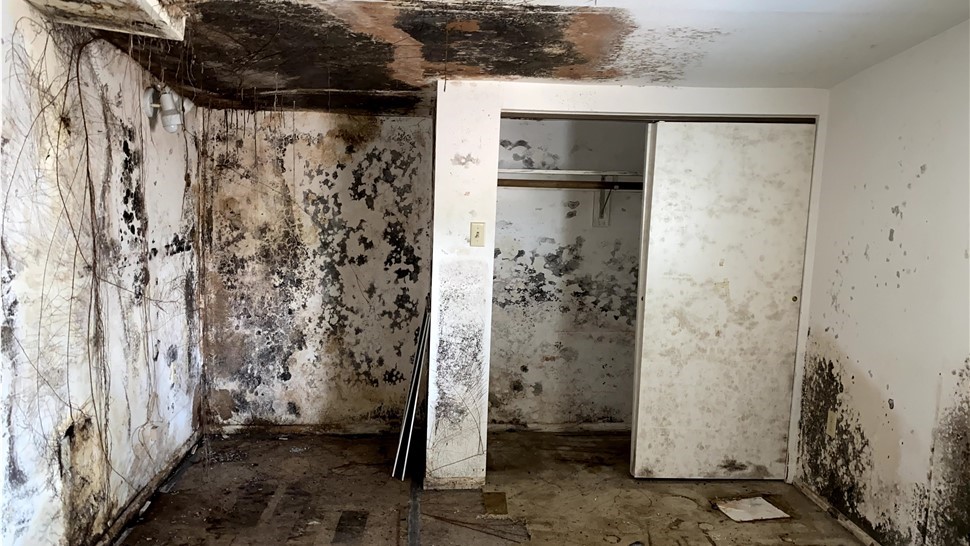
Mold Health Effects in Cape Canaveral: What Homeowners in Brevard County Should Know
Homeowners in Cape Canaveral often start asking questions about mold when something changes inside the home. It might be a persistent musty odor, recurring mold spots, or a feeling that the indoor environment just isn’t as comfortable as it used to be. In Brevard County’s humid, coastal climate, concerns about mold and health are common—but they’re also frequently misunderstood.
The key is approaching the topic calmly and factually. Mold-related health concerns are usually tied to ongoing moisture problems and prolonged exposure, not a single small patch of mold. Understanding how mold affects indoor environments, why Cape Canaveral homes are vulnerable, and when professional evaluation makes sense helps homeowners make informed decisions without unnecessary worry.
Why Mold Concerns Are Common in Cape Canaveral
Cape Canaveral’s location near the coast creates ideal conditions for moisture to linger indoors.
Brevard County experiences high humidity for much of the year, and Cape Canaveral adds salt air, frequent storms, and heavy reliance on air conditioning. When humid air enters a cooled home, condensation can form on walls, ceilings, ductwork, and inside building cavities.
Wind-driven rain during storms can also introduce moisture into roofs, attics, windows, and exterior walls without obvious flooding. Even small amounts of moisture, when combined with Florida’s climate, can support mold growth over time.
Because mold is common in this environment, homeowners often wonder whether it could be affecting how the home feels to live in.
How Mold Can Affect Indoor Living Conditions
Mold itself is part of the natural environment, but indoor mold growth changes how a home behaves.
When mold grows inside walls, ceilings, or HVAC systems, it can contribute to:
- Persistent musty or earthy odors
- Stuffy or uncomfortable indoor air
- Rooms feeling damp or slow to dry
- Odors that worsen when the AC runs
These changes are often what prompt homeowners to start asking health-related questions. In Cape Canaveral homes, indoor comfort issues are frequently tied to humidity and hidden moisture that also support mold growth.
Common Mold-Related Concerns Homeowners Notice
Homeowners often describe similar experiences when mold is present.
A musty smell that returns despite cleaning is one of the most common complaints. This odor often becomes noticeable after the home has been closed up or when air conditioning cycles on.
Some homeowners notice irritation or discomfort that seems tied to being indoors, especially in rooms with visible mold or dampness. Others notice that guests comment on odors or air quality without knowing why.
It’s important to understand that these experiences don’t automatically mean a serious mold problem—but they do suggest that moisture and ventilation conditions may need attention.
Why Moisture Matters More Than Mold Type
One of the biggest misconceptions about mold health effects is the focus on mold names or colors.
In reality, moisture conditions and extent of growth matter far more than the type of mold. Ongoing moisture allows mold to grow continuously, increasing the amount of mold present in the indoor environment.
In Cape Canaveral homes, humidity, condensation, and slow leaks are often the real drivers behind mold-related concerns. Addressing moisture typically leads to noticeable improvements in indoor comfort.
Where Mold That Affects Indoor Conditions Is Often Found
Mold linked to indoor comfort concerns is often hidden.
HVAC systems are a common source. Condensation inside air handlers, drain pans, or ductwork can allow mold to develop and spread odors through the system.
Attics frequently develop mold on roof decking due to condensation or roof leaks. Air movement between the attic and living space can bring odors or particles indoors.
Behind walls and under flooring are other common locations, especially after storms, plumbing leaks, or prolonged humidity. These hidden areas can affect indoor conditions without visible signs.
Bathrooms, closets along exterior walls, and cabinets under sinks also contribute when ventilation is limited.
Why Mold Concerns Often Appear Gradually
Mold-related comfort issues rarely start suddenly.
In Florida’s climate, moisture problems often build slowly. Indoor humidity may stay elevated for weeks or months. Condensation may occur daily but dry slowly. Over time, mold growth increases, and indoor conditions change subtly.
By the time homeowners notice persistent odors or discomfort, mold may have been present for quite a while.
This gradual onset is why mold concerns are often confusing—there’s no single event to point to.
Why DIY Cleaning Doesn’t Resolve Health Concerns
Many homeowners try cleaning visible mold first, hoping it will improve how the home feels.
While cleaning can improve appearance, it usually doesn’t address mold growing inside porous materials or hidden spaces. Household cleaners and bleach do not penetrate drywall, wood, or insulation effectively and may add moisture to already damp areas.
As long as moisture remains, mold can continue to grow—and indoor conditions may not improve.
In Cape Canaveral homes, repeated cleaning without moisture control is one of the most common reasons concerns persist.
How Professional Inspections Help Clarify Mold Concerns
A professional mold inspection focuses on understanding conditions, not creating alarm.
Inspections typically include:
- A visual assessment of moisture-prone areas
- Moisture detection using meters or thermal imaging
- Evaluation of HVAC systems and ventilation
- Identification of hidden damp materials
When appropriate, air or surface samples may be collected and sent to an independent laboratory to document mold presence and help guide decisions.
Local professionals such as Brevard Mold Inspections & Removal emphasize clear explanations so homeowners understand what’s happening inside their home and why.
What Happens When Mold and Moisture Are Addressed
When moisture sources are corrected and mold is properly handled, homeowners often notice changes.
Musty odors fade, indoor air feels fresher, and rooms dry more quickly after use. HVAC systems operate more efficiently, and humidity levels stabilize.
These improvements highlight an important point: many “mold health” concerns are really indoor moisture and air quality issues that improve when the home is returned to dry, stable conditions.
Preventing Mold-Related Indoor Issues
Prevention focuses on moisture management.
Maintaining HVAC systems helps control humidity and prevent condensation. Drain lines should be kept clear, filters replaced regularly, and duct insulation maintained.
Bathroom and kitchen exhaust fans should vent outdoors and be used during and after moisture-producing activities.
After storms, attics, ceilings, windows, and floors should be inspected for signs of water intrusion—even if no flooding occurred.
Monitoring indoor humidity helps identify problems early, before mold has time to grow.
Why Local Experience Matters
Mold-related concerns are not the same everywhere.
Cape Canaveral homes face coastal humidity, salt air, frequent storms, and slab foundations. Local experience helps professionals understand how moisture behaves in these homes and where mold is most likely to affect indoor conditions.
What works in drier or cooler climates doesn’t always apply here.
A Practical Takeaway for Cape Canaveral Homeowners
Mold health concerns in Cape Canaveral are usually rooted in moisture—not mystery or extreme conditions.
If your home has persistent odors, recurring mold, or indoor discomfort, the most productive step is understanding where moisture is coming from and how it’s affecting the home. A professional inspection can provide clarity without fear-based assumptions.
With accurate information, proper moisture control, and local expertise, Cape Canaveral homeowners can improve indoor conditions, reduce mold concerns, and maintain a healthier living environment over the long term.