
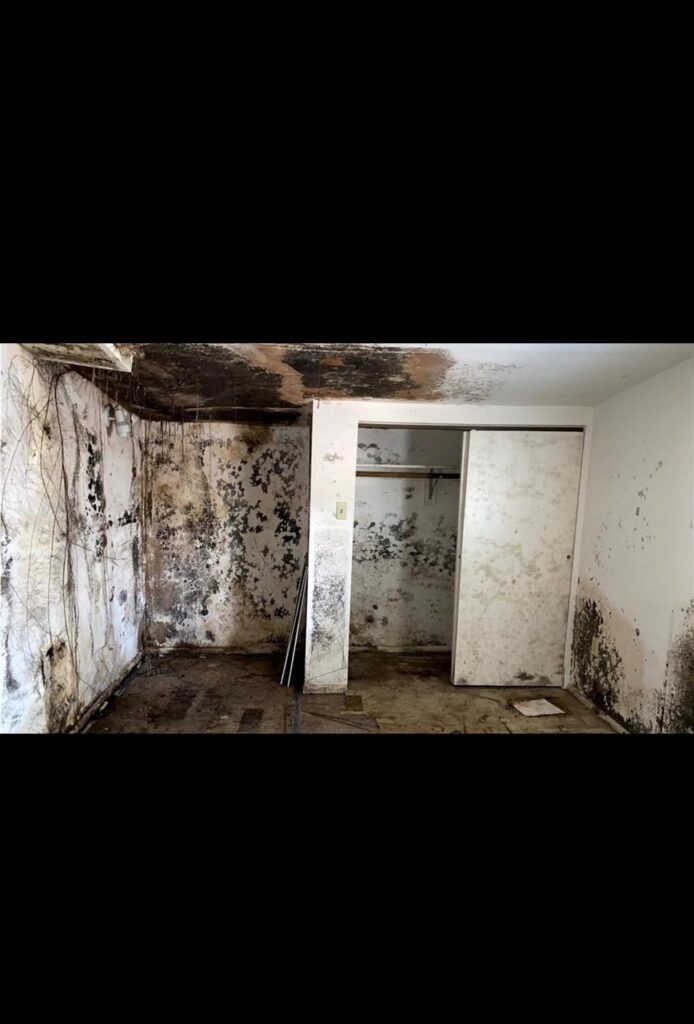
Mold Health Effects in Cape Canaveral: What Homeowners in Brevard County Should KnowMold is more than a cosmetic issue in Cape Canaveral homes. In a coastal, high-humidity environment, mold exposure can quietly affect health, comfort, and indoor air quality long before homeowners realize there’s a problem. Many people attribute symptoms to seasonal allergies or “Florida air,” when mold inside the home is often a contributing factor.Understanding how mold affects health, who is most at risk, and when to take action can help Cape Canaveral homeowners protect both their families and their homes.⸻Why Mold-Related Health Issues Are Common in Cape CanaveralCape Canaveral’s environment creates consistent mold pressure: • High coastal humidity year-round • Salt air that holds moisture • Frequent storms and wind-driven rain • Constant air conditioning use • Condensation inside HVAC systems • Seasonal or vacant homesMold thrives when moisture lingers. Even without flooding or visible leaks, elevated indoor humidity alone can support mold growth and prolonged exposure.⸻How Mold Affects the Human BodyMold releases microscopic spores into the air. When inhaled, these spores can irritate the respiratory system, trigger immune responses, and worsen existing conditions.Health effects depend on: • Length of exposure • Amount of mold present • Where mold is growing • Individual sensitivityBecause exposure often happens indoors over long periods, symptoms can develop gradually.⸻Common Health Symptoms Linked to Mold ExposureRespiratory SymptomsThese are the most frequently reported issues in Cape Canaveral homes: • Chronic coughing • Sneezing or throat irritation • Nasal congestion • Shortness of breath • Worsening asthma symptomsPeople with asthma or respiratory conditions often notice symptoms intensify indoors.⸻Allergy-Like ReactionsMold exposure can mimic or worsen allergies: • Itchy or watery eyes • Runny nose • Skin irritation or rashes • Sinus pressureSymptoms that improve when leaving the home are a common red flag.⸻Neurological and Systemic SymptomsWith prolonged exposure, some homeowners report: • Headaches • Fatigue • Difficulty concentrating • Brain fog • DizzinessThese symptoms are often overlooked or attributed to stress or lack of sleep.⸻Toxic Mold and Health Concerns“Toxic mold” refers to molds that can produce mycotoxins. Not all mold produces toxins, and not all dark mold is toxic, but prolonged exposure to mycotoxins may increase health risks.Potential effects include: • Chronic respiratory irritation • Immune system stress • Inflammation • Heightened sensitivity to odorsThe amount and duration of exposure matter more than mold color alone.⸻Who Is Most at Risk in Cape Canaveral HomesCertain groups are more vulnerable to mold-related health effects: • Children • Seniors • People with asthma or allergies • Individuals with compromised immune systems • Those with chronic respiratory conditionsIn multi-person households, symptoms may vary—some occupants feel fine while others experience significant discomfort.⸻Hidden Mold and Ongoing ExposureMany health issues persist because mold is often hidden.Common hidden mold locations include: • HVAC systems and ductwork • Behind drywall • Attics with poor ventilation • Crawl spaces • Under flooring • Inside wall cavitiesHidden mold continuously releases spores into indoor air, increasing long-term exposure even when surfaces look clean.⸻HVAC Systems and Mold-Related Health IssuesHVAC systems are one of the most common contributors to mold-related health complaints in Cape Canaveral.Why HVAC mold is a problem: • Condensation forms naturally on coils • Drain pans can hold standing water • Dust inside ducts feeds mold growth • Systems circulate spores throughout the homeWhen mold is present in HVAC components, exposure can affect every room.⸻Why Symptoms Often Worsen IndoorsA key pattern homeowners report: • Symptoms worsen inside the home • Symptoms improve outdoors or when awayThis indoor-specific pattern strongly suggests an environmental factor such as mold or moisture-related air quality issues.⸻Mold Exposure vs Seasonal AllergiesMold exposure and seasonal allergies often overlap, but there are differences:Mold-related symptoms tend to: • Occur year-round • Persist indoors • Worsen during humid periods • Improve when leaving the homeAllergies are more seasonal and less location-specific.⸻Why DIY Mold Cleanup Can Increase Health RisksDIY cleanup often worsens exposure.Common problems include: • Disturbing mold without containment • Releasing spores into the air • Using bleach on porous materials • Ignoring hidden mold sourcesScrubbing visible mold can significantly increase airborne spores, intensifying symptoms.⸻Mold Inspections and Health ConcernsA professional mold inspection focuses on moisture sources and exposure pathways, not just visible mold.Inspections can: • Identify hidden mold • Detect moisture problems • Evaluate HVAC systems • Help determine if mold may be contributing to symptomsEarly inspection often prevents prolonged exposure.⸻Mold Testing and Health DocumentationTesting isn’t always required, but it can help when: • Health symptoms are present • Mold is suspected but not visible • Indoor air quality is a concern • Documentation is neededTesting helps measure spore levels and guide next steps.⸻When Mold Exposure Becomes a Serious Health IssueMold exposure should be taken seriously when: • Symptoms persist or worsen • Multiple occupants are affected • Respiratory conditions flare indoors • Mold odors are strong or ongoing • There is known water or storm damageAt this point, professional assessment is strongly recommended.⸻Preventing Mold-Related Health ProblemsPrevention focuses on moisture control.Key steps include: • Keeping indoor humidity below 50% • Maintaining HVAC systems and drain lines • Using bathroom exhaust fans properly • Fixing leaks promptly • Inspecting attics and crawl spaces • Addressing musty odors earlyReducing moisture reduces mold exposure.⸻Insurance and Mold-Related Health ConcernsInsurance coverage focuses on cause, not health effects.Mold may be covered when linked to: • Sudden water damage • Appliance failures • Storm-related intrusionLong-term humidity or maintenance issues are often excluded, making prevention critical.⸻When to Seek Professional HelpProfessional help is recommended if: • Health symptoms persist indoors • Mold keeps returning • HVAC systems may be involved • Musty odors continue • There is a history of water damageEarly action protects health and limits repair costs.⸻Why Ignoring Mold-Related Health Symptoms Is RiskyOngoing exposure can lead to: • Chronic respiratory issues • Reduced indoor air quality • Worsening asthma or allergies • Increased remediation costs laterMold exposure rarely resolves without addressing moisture and source issues.⸻Final Thoughts for Cape Canaveral HomeownersIn Cape Canaveral, mold-related health effects are common because moisture is constant. The biggest risk isn’t panic—it’s long-term exposure without awareness. If your home causes ongoing discomfort, respiratory symptoms, or persistent odors, those signs shouldn’t be ignored.Understanding how mold affects health allows homeowners to act early, protect indoor air quality, and prevent small moisture problems from becoming long-term health concerns.