
Mold Health Effects in Cape Canaveral: What Homeowners in Brevard County Should Know
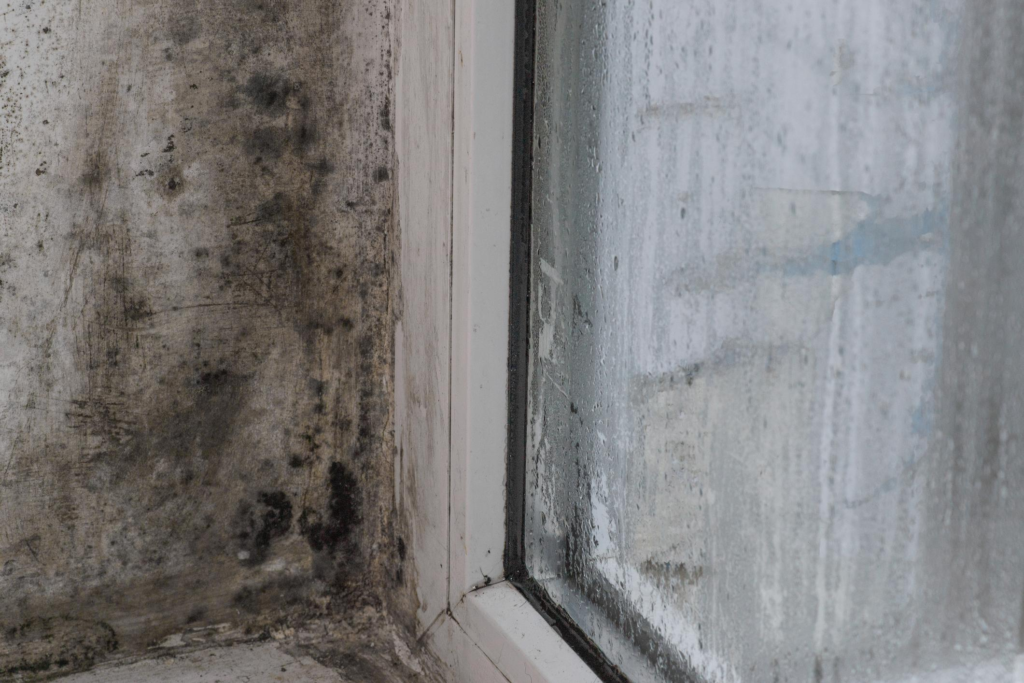
Cape Canaveral is known for its waterfront views, cruise port activity, and relaxed coastal living. But like many communities along Florida’s Space Coast, the same coastal environment that makes the area beautiful also creates indoor moisture challenges for homeowners.
One of the most common concerns residents raise during inspections is how mold inside the home might affect their comfort and daily living. Homeowners often begin asking questions after noticing a musty smell, seeing mold near an air vent, or experiencing discomfort indoors that seems to improve when they leave the house.
Across Brevard County — from Melbourne and Palm Bay to Cocoa, Merritt Island, Titusville, Rockledge, Viera, and Satellite Beach — mold problems are common simply because moisture is part of everyday life here. Understanding how mold develops, where it hides, and how remediation works can help Cape Canaveral homeowners protect both their homes and indoor environments.
Understanding Mold and Indoor Living Conditions
Mold is naturally present outdoors in Florida. Spores travel through the air and enter homes through doors, windows, clothing, and ventilation systems. Mold only becomes a concern when it begins growing indoors due to moisture.
Mold grows on common household materials such as:
- Drywall
- Wood framing
- Ceiling materials
- Carpet and padding
- Insulation
- Cabinets and furniture
- Stored belongings
In Cape Canaveral homes, mold frequently develops in areas where humidity or condensation remains unchecked, including bathrooms, closets, air conditioning vents, or behind walls after small leaks.
When mold grows indoors, some homeowners notice changes in air quality or indoor comfort levels. Others may only notice staining or odors. Experiences vary from household to household.
Why Mold Problems Are So Common in Brevard County
Homes throughout Brevard County face moisture challenges year-round, especially in coastal communities like Cape Canaveral and Cocoa Beach.
High Coastal Humidity
Ocean air carries constant moisture, and indoor humidity levels can rise quickly when homes are opened to outside air.
Frequent Rainfall and Storm Activity
Heavy rains common across Melbourne, Palm Bay, and surrounding areas often lead to roof or window leaks that allow moisture inside.
Hurricanes and Tropical Storms
Even homes without flooding can experience hidden moisture after storms drive rain into roof or wall areas.
Air Conditioning Condensation
AC systems run almost continuously in Florida. If systems are not maintained properly, condensation can form in ducts or air handlers.
Slab Foundations
Many homes in Rockledge and Viera sit on concrete slabs, allowing moisture to migrate upward beneath flooring materials.
Attic Heat and Ventilation Problems
Florida attics become extremely hot, and poor ventilation traps moisture, creating mold-friendly conditions above ceilings.
These conditions mean moisture control is essential for homeowners throughout Brevard County.
Signs Homeowners Often Notice
Mold usually develops slowly, and early signs are often subtle.
Musty Odors
A persistent damp smell in closets, bedrooms, or hallways is often the first sign homeowners notice.
Visible Mold or Dark Spots
Homeowners may see discoloration:
- On ceilings
- Around AC vents
- Near windows
- In bathrooms
- On baseboards
Changes in Paint or Walls
Peeling paint or stained drywall can indicate moisture trapped behind surfaces.
Flooring Changes
Moisture beneath flooring materials may cause subtle swelling or soft areas.
Indoor Comfort Differences
Some residents report feeling more comfortable outside their home compared to indoors, though experiences vary.
Often, by the time mold becomes visible, hidden growth may already exist.
Hidden Sources of Mold Many Homeowners Miss
During inspections across Cape Canaveral and nearby cities, mold is frequently found in places homeowners rarely check.
Behind Walls
Small plumbing or roof leaks can allow mold to grow inside wall cavities for months.
Under Flooring
Moisture trapped beneath laminate or tile flooring often remains unnoticed.
Attics
Roof leaks or humidity buildup frequently cause mold above ceilings.
Crawl Spaces
Homes with crawl spaces can accumulate moisture that affects indoor air quality.
HVAC Systems
Condensation problems inside air handlers or ducts can spread mold spores throughout homes.
Old Water Damage
Previous leaks may leave moisture trapped behind materials even after surface repairs.
Hidden mold growth is one of the main reasons professional inspections are valuable.
Why Ignoring Mold or DIY Cleanup Can Make Things Worse
Many homeowners attempt to clean mold themselves using household cleaners or bleach. Unfortunately, this rarely resolves the full problem.
Surface Cleaning Doesn’t Address Moisture
Bleach may lighten staining but does not correct the moisture source feeding mold.
Mold Spores Spread Easily
Scrubbing mold without containment can release spores into the air and contaminate other areas.
Hidden Growth Remains
Surface cleaning does not remove mold inside drywall or insulation.
Moisture Problems Continue
If humidity or leaks remain, mold usually returns.
Ignoring mold often leads to more extensive and costly repairs later.
How Professional Mold Inspection & Testing Works
Professional inspections focus on identifying both mold growth and moisture sources.
A typical inspection includes:
Visual Examination
Inspectors check for visible mold, staining, and water intrusion.
Moisture Detection Tools
Meters and infrared cameras locate hidden moisture behind walls and under flooring.
Air or Surface Sampling
Sampling may be used when confirmation or further evaluation is needed.
Laboratory Analysis
Lab results help clarify mold presence when necessary.
The primary goal is identifying and correcting moisture sources so mold does not return.
What Proper Mold Remediation Involves
Mold remediation focuses on safe cleanup and prevention of future growth.
Containment Setup
Affected areas are isolated so spores do not spread through the home.
Moisture Source Correction
Leaks, humidity issues, or condensation problems must be resolved first.
Removal of Contaminated Materials
Damaged drywall, insulation, or flooring may need removal.
Cleaning and Air Filtration
HEPA air filtration removes airborne spores during cleanup.
Prevention Improvements
Ventilation and moisture control measures help prevent future growth.
Local companies such as Brevard Mold Inspections & Removal emphasize fixing moisture problems, not just cleaning visible mold.
How Homeowners Can Reduce Mold Risks Going Forward
Florida’s climate makes moisture control an ongoing responsibility, but homeowners can reduce mold risk with routine steps.
Keep Indoor Humidity Controlled
Maintain indoor humidity below 60 percent using air conditioning or dehumidifiers.
Maintain AC Systems
Regular service prevents condensation issues and airflow problems.
Use Exhaust Fans
Bathrooms and kitchens should vent moisture outdoors.
Inspect Homes After Storms
Check ceilings and attics for leaks following heavy rainfall.
Monitor Closets and Exterior Walls
Ensure airflow in areas prone to moisture buildup.
Fix Small Leaks Quickly
Even minor plumbing or roof leaks can lead to mold growth.
Maintain Gutters and Drainage
Proper drainage keeps water away from the home.
Small maintenance steps can prevent major remediation later.
Why Local Brevard County Experience Matters
Homes across Cape Canaveral and neighboring cities face environmental conditions unique to coastal Florida.
Local professionals understand:
- Coastal humidity patterns
- Storm-driven moisture intrusion
- Florida slab construction challenges
- Common attic ventilation issues
- AC moisture problems typical in the region
Experience with Brevard County homes allows inspectors to quickly identify likely mold causes and recommend practical solutions.
A Calm Next Step for Cape Canaveral Homeowners
If you notice musty odors, staining, or unexplained indoor moisture, scheduling a professional inspection can provide clarity and peace of mind.
A proper evaluation helps determine whether mold is present, locate moisture sources, and guide homeowners toward practical solutions before problems worsen.
Brevard Mold Inspections & Removal works with homeowners throughout Cape Canaveral and across Brevard County to help residents better understand indoor mold conditions and take steps toward long-term moisture control.
Addressing issues early helps protect homes, improve comfort, and avoid larger repairs down the road in Florida’s challenging coastal climate.