
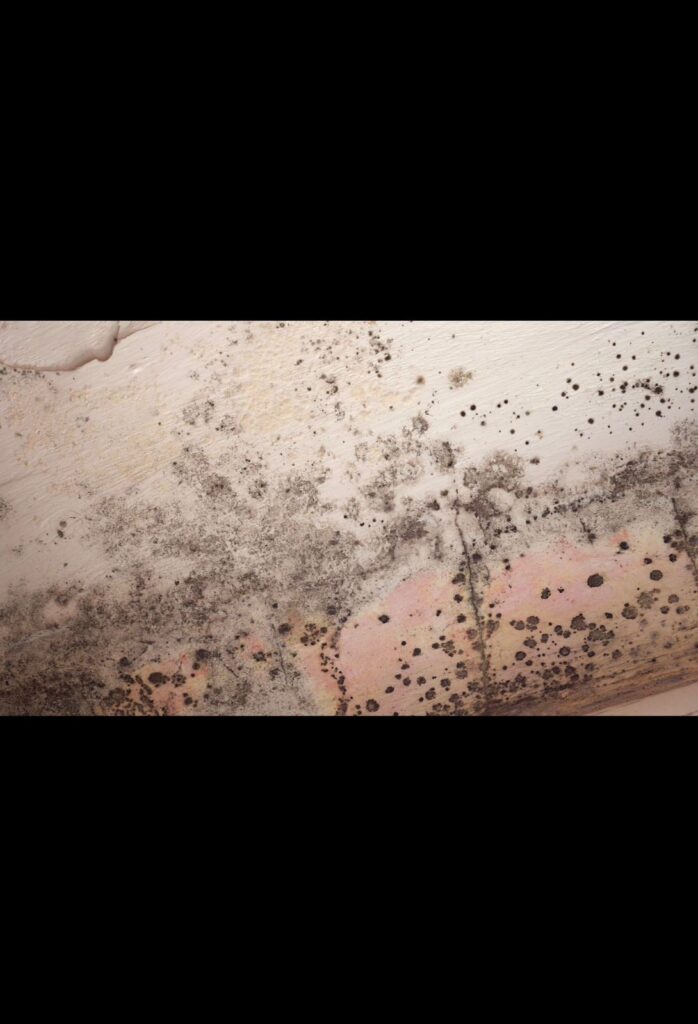
Mold Health Effects in Cape Canaveral: What Homeowners in Brevard County Should KnowMold exposure is a real health concern for homeowners in Cape Canaveral and throughout Brevard County. Coastal humidity, frequent storms, and year-round air conditioning create ideal conditions for mold to grow indoors, often without visible warning signs. Over time, mold can affect indoor air quality and contribute to a wide range of health symptoms, especially when exposure is prolonged.This guide explains how mold affects health, who is most at risk, and why early action matters for Cape Canaveral homeowners.⸻Why Mold Exposure Is Common in Cape Canaveral HomesCape Canaveral’s coastal environment increases indoor moisture levels.Contributing factors include: • High year-round humidity • Salt air accelerating building material breakdown • Frequent rain and tropical storms • Wind-driven moisture intrusion • AC condensation and drain line issues • Power outages after stormsMold can begin growing within 24–48 hours when moisture is present, even if water damage is not obvious.⸻How Mold Affects Indoor Air QualityMold releases microscopic spores into the air. When these spores circulate through living spaces, especially through HVAC systems, they are easily inhaled.Indoor air quality may decline when: • Mold grows behind walls or ceilings • HVAC systems spread spores throughout the home • Humidity remains consistently high • Mold is disturbed during improper cleaningPoor air quality often causes symptoms before visible mold appears.⸻Common Health Effects Linked to Mold ExposureHealth responses vary depending on sensitivity, exposure level, and duration.Respiratory Symptoms • Coughing • Wheezing • Shortness of breath • Chest tightness • Worsening asthma symptomsAllergy-Like Reactions • Sneezing • Nasal congestion • Runny nose • Itchy or watery eyes • Skin irritationThese symptoms are often mistaken for seasonal allergies.Sinus and Upper Respiratory Issues • Chronic sinus congestion • Recurrent sinus infections • Facial pressure • HeadachesMold irritation can inflame sinus tissues over time.Fatigue and Neurological SymptomsSome homeowners report: • Persistent fatigue • Difficulty concentrating • Brain fog • Increased headachesThese symptoms are more common with long-term exposure.⸻Who Is Most at Risk From Mold ExposureCertain groups are more sensitive to mold-related health effects.Higher-risk individuals include: • Children • Seniors • People with asthma or COPD • Individuals with allergies • People with weakened immune systemsEven moderate mold exposure may cause stronger symptoms in these groups.⸻Toxic Mold and Health ConcernsSome molds produce mycotoxins, which can worsen symptoms when exposure is prolonged. Not all black or dark mold is toxic, but any indoor mold growth can affect health.Health impact depends more on: • Amount of mold • Length of exposure • Ventilation quality • Moisture conditionsHidden mold often poses greater risk due to continuous exposure.⸻Signs Mold May Be Affecting Your HealthHomeowners should consider mold as a factor when: • Symptoms worsen indoors and improve outside • Multiple occupants experience similar symptoms • Odors are present without visible mold • Health issues begin after water damage or storms • Symptoms persist despite medical treatmentThese patterns often indicate indoor environmental causes.⸻Medical Testing vs. Environmental EvaluationMedical testing for mold exposure is limited. Allergy tests may identify sensitivities but do not confirm exposure levels inside a specific home.Environmental evaluation focuses on: • Moisture sources • Visible and hidden mold • Indoor humidity levels • HVAC system conditionsCorrecting indoor mold sources often improves symptoms without medical intervention.⸻Why DIY Mold Cleanup Can Increase Health RisksImproper cleaning can increase airborne exposure.Common risks include: • Scrubbing mold without containment • Using bleach on porous materials • Spreading spores through the home • Failing to fix moisture sourcesDisturbing mold often worsens air quality and symptoms.⸻How Professional Mold Remediation Protects HealthProfessional remediation focuses on reducing exposure.A proper process includes: • Identifying moisture sources • Containing affected areas • HEPA air filtration • Removing contaminated materials • Cleaning salvageable surfaces • Drying and dehumidifying • Preventing recurrenceThis approach improves indoor air quality and reduces health risks.⸻Long-Term Health Benefits of Addressing MoldHomeowners often notice: • Easier breathing • Fewer allergy symptoms • Reduced sinus problems • Improved sleep • Better overall comfort indoorsImprovements may occur gradually as air quality stabilizes.⸻Preventing Mold-Related Health ProblemsPrevention focuses on moisture control.Effective strategies include: • Keeping indoor humidity between 30–50% • Using bathroom and kitchen exhaust fans • Maintaining AC systems and drain lines • Fixing leaks immediately • Using dehumidifiers in coastal homes • Inspecting after storms • Monitoring humidity regularlyReducing moisture reduces mold growth and exposure.⸻Final ThoughtsMold health effects are a real concern for homeowners in Cape Canaveral and across Brevard County. Coastal humidity and frequent moisture events make indoor mold difficult to avoid, but early detection and proper remediation significantly reduce health risks.Protecting indoor air quality through moisture control and timely action helps safeguard both the home and the people living inside it.