
Mold Health Effects in Cape Canaveral: What Homeowners in Brevard County Should Know
Mold concerns often become personal very quickly for homeowners in Cape Canaveral. A musty smell appears, mold is discovered, and suddenly people start wondering whether the conditions in their home could be affecting how they feel day to day. In Brevard County’s coastal climate, these questions are common and understandable.
Cape Canaveral homes are exposed to constant humidity, salt air, heavy rain, storms, and near-constant air conditioning. These conditions make mold growth more likely, especially when moisture goes unnoticed. While mold discussions often drift into extreme claims, the reality is more practical. Mold issues are primarily a building and moisture problem that can also affect comfort and indoor air quality when left unresolved.
This article explains how mold exposure is commonly experienced in homes, why concerns arise so often in Cape Canaveral, and what homeowners should realistically focus on.
Why Mold Health Concerns Are Common in Cape Canaveral
Cape Canaveral’s location near the ocean means homes are exposed to elevated humidity almost every day of the year. Even when it’s not raining, moisture in the air settles into building materials and slows drying.
Storms and hurricanes increase the risk further. Wind-driven rain can enter through roofs, windows, doors, and small exterior openings. Power outages after storms can shut down air conditioning, allowing indoor humidity to rise quickly.
Air conditioning systems, while essential, also create condensation. When drain lines clog, pans overflow, or ducts sweat, moisture ends up inside walls or ceilings. All of these factors contribute to mold growth that may remain hidden for long periods.
Because mold often develops quietly, homeowners may notice changes in comfort before they ever see visible mold.
How Mold Exposure Is Commonly Experienced
Mold affects people differently, and reactions vary from home to home. Many homeowners don’t notice anything at first. Others begin to experience subtle changes that raise concern.
Commonly reported experiences include persistent musty odors, indoor air that feels heavy or stale, and discomfort that seems worse inside the home than outside. Some people notice irritation or congestion that improves when they leave the house.
It’s important to understand that these experiences are often tied to overall indoor conditions. High humidity, poor ventilation, and mold growth frequently exist together, making the home feel uncomfortable even without visible mold.
The focus should remain on the building conditions rather than jumping to conclusions.
Why Mold in Homes Can Affect Comfort
Mold thrives in damp environments. When moisture levels are high enough to support mold growth, they often affect indoor comfort as well.
High humidity can make air feel thick, cause condensation, and prevent proper drying of surfaces. Mold growth can contribute to persistent odors and a feeling that the home never feels truly fresh.
In Cape Canaveral homes, these conditions are common in areas like bathrooms, HVAC systems, attics, closets, and behind walls. When air circulates through these spaces, odors and moisture can spread throughout the home.
Addressing mold concerns usually improves overall indoor conditions, not just appearance.
Common Places Mold Raises Health Concerns
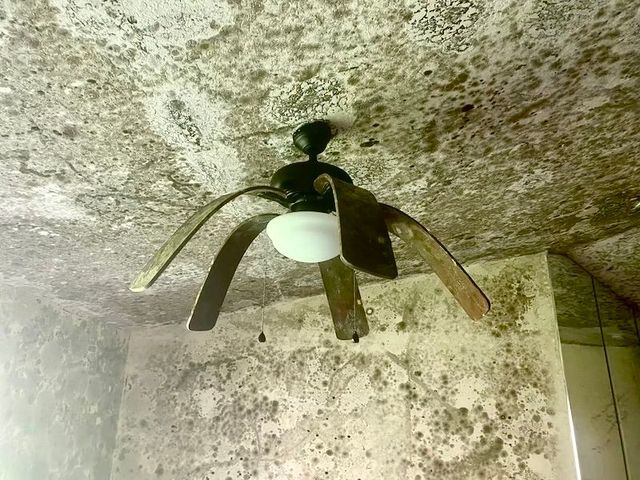
Bathrooms are one of the most common problem areas. Steam from showers combined with poor ventilation allows moisture to linger on ceilings, walls, and inside wall cavities.
HVAC systems are another frequent source. Mold can grow near air handlers, drain pans, or inside ductwork where condensation is present. When the AC runs, air passes over these areas and circulates throughout the home.
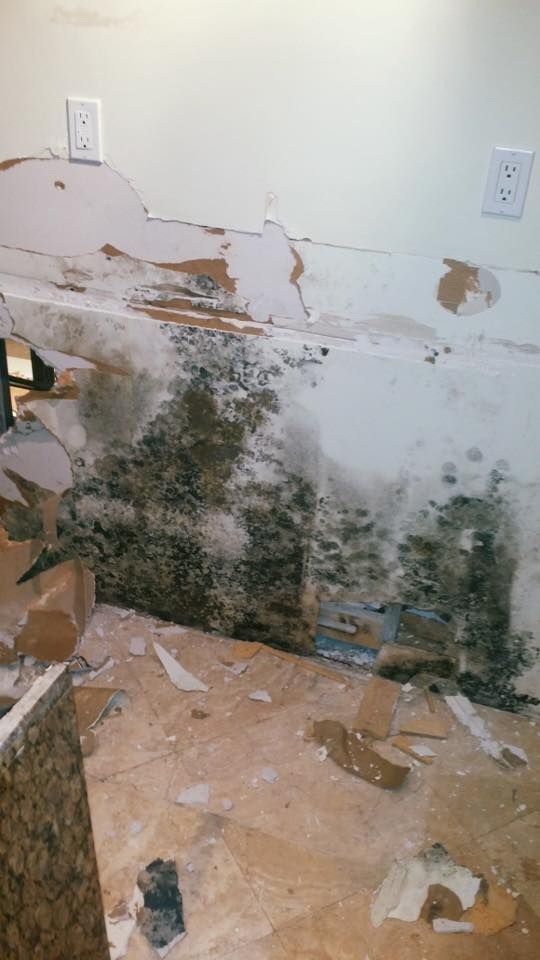
Hidden mold behind drywall or under flooring is also common after leaks or storms. Homeowners may notice odors or discomfort long before visible damage appears.
Attics are often overlooked. Poor ventilation or roof leaks can lead to mold growth above ceilings, affecting indoor air conditions below.
Why Mold Is Often Discovered After Symptoms Are Noticed
In many cases, homeowners begin asking questions about mold after noticing changes in how the home feels rather than seeing mold directly.
This happens because mold often grows in hidden areas. Odors, humidity changes, and indoor air issues are usually the first signs something is wrong.
In Florida homes, visible mold often appears later, after moisture and growth have been present for weeks or months. By then, conditions inside the home may already feel different.
This is why inspections often reveal more than homeowners expect.
The Role of Moisture in Mold-Related Concerns
Moisture is the real driver behind mold problems. Without moisture, mold cannot grow or persist.
Common moisture sources in Cape Canaveral homes include roof leaks, plumbing leaks, AC condensation, window leaks, poor ventilation, and elevated indoor humidity from coastal air.
Even when there is no active leak, long-term humidity alone can be enough to support mold growth. Until moisture issues are corrected, mold and comfort problems are likely to continue.
Focusing on moisture control is the most effective way to address concerns.
Why DIY Cleaning Rarely Resolves Mold Concerns
Many homeowners attempt to clean visible mold with bleach or household cleaners. While this may remove surface staining, it rarely improves indoor conditions long-term.
Bleach does not penetrate porous materials like drywall or wood. Mold can remain active beneath the surface and continue contributing to odors and moisture issues.
Scrubbing mold without containment can also spread spores to other areas of the home, especially through HVAC systems. In coastal homes, this often makes the problem feel worse rather than better.
Cleaning without fixing moisture simply delays the solution.
Professional Mold Inspection for Health-Related Concerns
A professional mold inspection focuses on identifying moisture conditions and locating mold growth, especially in hidden areas.
Inspections typically include attics, HVAC systems, wall cavities, bathrooms, and areas with past water damage. Moisture meters and thermal imaging tools help locate damp materials that are not visible.
When appropriate, air or surface sampling may be used to better understand indoor conditions. Testing provides information but does not replace identifying moisture sources.
A proper inspection helps homeowners understand what’s actually happening in the home instead of guessing.
How Mold Remediation Helps Improve Indoor Conditions
Mold remediation addresses both mold growth and the conditions that allow it to exist. Containment is used to prevent spores from spreading during removal.
Mold-affected materials may be cleaned or removed depending on severity. Just as important, moisture sources are corrected to stabilize the environment.
After proper remediation, homeowners often notice reduced odors, improved comfort, and more consistent indoor humidity. The home feels drier and more balanced.
Remediation is about restoring healthy building conditions, not just removing visible mold.
Preventing Mold-Related Problems Going Forward
Prevention starts with moisture management. Bathroom and kitchen exhaust fans should be used consistently and vented outdoors.
AC systems should be maintained to ensure proper drainage and airflow. Drain lines and pans should be kept clear, and ductwork properly insulated.
Sealing windows, doors, and exterior penetrations helps limit humid air intrusion. After storms, attics and ceilings should be checked even if no damage is immediately visible.
Monitoring indoor humidity is especially important in Cape Canaveral homes.
Why Local Experience in Brevard County Matters
Mold concerns in Brevard County are shaped by coastal humidity, storms, slab foundations, and local construction styles. Advice that works in dry climates often does not apply here.
Local experience means understanding how Cape Canaveral’s environment affects indoor conditions and where mold problems commonly develop. It also means knowing which solutions actually work long-term in this climate.
Professionals familiar with Brevard County conditions can provide practical guidance without exaggeration.
A Calm, Practical Next Step
If you’re concerned about mold and how your home feels, the most productive step is understanding your indoor conditions clearly. Mold issues are often tied to moisture patterns that can be identified and corrected.
Homeowners in Cape Canaveral and throughout Brevard County benefit from early assessment rather than waiting for problems to escalate. Brevard Mold Inspections & Removal helps homeowners identify mold conditions, understand moisture issues, and take practical, responsible steps forward.
Addressing mold properly often improves comfort, reduces odors, and restores balance to the home, which is ultimately what most homeowners are looking for.