Mold Health Effects in Cape Canaveral: What Homeowners in Brevard County Should Know
In Cape Canaveral, mold concerns often start with how a home feels rather than what homeowners can see. A persistent musty odor, air that feels heavy, or rooms that never seem to fully dry can raise questions about whether mold might be affecting everyday comfort. Given the area’s coastal humidity, frequent storms, and long air-conditioning seasons, these concerns are common across Brevard County.
It’s important to approach mold health effects calmly and realistically. Much of what people experience in Florida homes is tied to moisture and indoor air quality, not extreme or rare situations. Understanding how mold can influence living spaces, why Cape Canaveral homes are more vulnerable, and when it makes sense to investigate helps homeowners make informed decisions without unnecessary worry.
Why Mold Concerns Are Common in Cape Canaveral
Cape Canaveral sits directly along the Atlantic coast, where humidity remains elevated most of the year. Even when there’s no visible water intrusion, moisture in the air can slowly accumulate inside homes.
Local factors that increase mold-related concerns include:
- Constant coastal humidity
- Wind-driven rain during storms
- Salt air affecting seals and building materials
- Slab foundations that can trap moisture beneath flooring
- Homes kept closed and air-conditioned for long periods
- Slower natural drying due to warm, humid air
When moisture lingers indoors, mold can begin growing quietly—sometimes affecting comfort long before it becomes visible.
How Mold Can Influence Indoor Living Conditions
Before talking about health effects, it helps to understand how mold changes the indoor environment. Mold itself is part of nature, but when it grows indoors, it often signals moisture conditions that affect air quality.
Homeowners may notice:
- Persistent musty or earthy odors
- Air that feels damp or stale
- Rooms that are harder to cool or dehumidify
- Odors that become stronger when the AC runs
- Increased indoor humidity despite air conditioning
These changes often prompt questions about whether mold could be contributing to discomfort inside the home.
Common Discomforts Homeowners Associate With Mold
Without making medical claims, many homeowners report similar environmental discomforts when mold and moisture are present indoors.
These can include:
- Increased irritation from damp indoor air
- Feeling uncomfortable in certain rooms
- Noticing relief when spending time away from the home
- General concerns about indoor air freshness
In coastal areas like Cape Canaveral, these experiences are often linked to humidity control issues alongside mold growth.
Mold Exposure in Florida Homes Is Usually Gradual
Unlike sudden environmental events, mold-related concerns typically develop over time. In Cape Canaveral homes, moisture problems often persist quietly before becoming noticeable.
This gradual process may involve:
- Small roof or window leaks after storms
- Condensation around HVAC components
- Damp insulation in attics
- Moisture trapped under flooring
Because these issues don’t happen all at once, homeowners may only notice effects after conditions have existed for weeks or months.
Hidden Mold and Its Impact on Living Spaces
One of the biggest challenges with mold in Cape Canaveral homes is that much of it can be hidden. Mold doesn’t need light and can grow behind finished surfaces.
Hidden mold is commonly found:
- Behind drywall on exterior walls
- Beneath laminate or vinyl flooring
- Inside wall cavities near plumbing lines
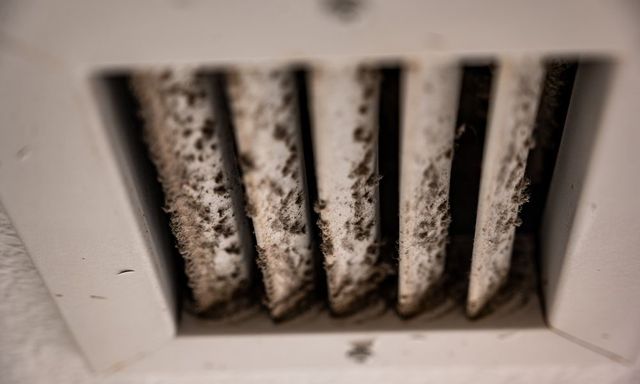
- Around HVAC air handlers and ductwork
- In attic insulation after roof leaks
Even when hidden, mold can influence indoor air quality as air circulates through the home.
The Role of HVAC Systems in Mold-Related Concerns
HVAC systems play a major role in how mold affects a home’s interior. In Cape Canaveral’s humid climate, AC systems remove moisture from the air—but they can also become moisture sources if drainage or airflow is compromised.
Common HVAC-related factors include:
- Condensate drain line clogs
- Standing water in drain pans
- Condensation inside air handlers
- Damp duct insulation
When mold or excess moisture is present in HVAC components, air movement can distribute odors and humidity throughout the home.
Why Mold Color Doesn’t Determine Impact
Many homeowners become especially concerned when mold appears dark or black. However, color alone doesn’t determine how mold behaves or how it affects a home.
Important points to understand:
- Many molds darken as they age
- Color doesn’t indicate moisture source or spread
- Hidden mold may have a greater impact than visible mold
In Cape Canaveral homes, the underlying moisture conditions matter far more than what mold looks like on the surface.
Why DIY Cleanup Often Falls Short
It’s common for homeowners to try cleaning visible mold themselves. While this may improve appearance temporarily, it rarely resolves moisture-driven mold issues.
DIY cleanup often fails because:
- Mold roots remain in porous materials
- Moisture sources aren’t corrected
- Scrubbing can spread spores
- Hidden mold remains untouched
In humid coastal environments, mold often returns if moisture control doesn’t improve.
How Mold Inspections Help Address Health-Related Concerns
When homeowners are concerned about how mold might be affecting indoor comfort, a professional mold inspection provides clarity without assumptions.
A proper inspection may include:
- Visual assessment of visible mold and staining
- Moisture readings in walls, floors, and ceilings
- Evaluation of HVAC systems and drainage
- Attic inspections for roof-related moisture
- Identification of hidden damp areas
This process helps determine whether mold conditions are present and how they relate to moisture behavior in the home.
Brevard Mold Inspections & Removal works with Cape Canaveral homeowners to evaluate mold concerns calmly and factually, focusing on conditions rather than speculation.
When Mold Testing Is Helpful
Mold testing isn’t always required, but it can support an inspection in certain situations.
Testing may be useful when:
- Mold is suspected but not visible
- Odors persist without an obvious source
- Verification is needed after remediation
- Documentation is required for a transaction
Testing works best when guided by inspection findings that explain moisture patterns.
Improving Indoor Conditions Through Proper Remediation
When mold is confirmed, proper remediation focuses on removal and prevention, not just surface cleaning.
An effective approach may include:
- Containment to prevent spore spread
- Removal of contaminated porous materials
- Cleaning remaining surfaces appropriately
- Correcting moisture sources
- Thorough drying and humidity control
Stabilizing moisture conditions is key to improving indoor comfort.
Mold Concerns After Storms and Power Outages
Storms are a frequent trigger for mold-related concerns in Cape Canaveral, even when there’s no flooding.
After storms:
- Wind-driven rain can enter small openings
- Power outages stop humidity control
- Materials dry very slowly
- Mold may develop weeks later
Post-storm inspections often help identify moisture issues before they escalate.
Preventing Mold-Related Issues Going Forward
Prevention is the most effective way to reduce mold-related concerns.
Helpful prevention steps include:
- Regular AC maintenance and drain line cleaning
- Using bathroom and kitchen exhaust fans
- Monitoring indoor humidity levels
- Inspecting attics after storms
- Addressing leaks promptly
- Allowing airflow in closets and storage areas
Consistency matters more than extreme measures in Florida’s climate.
Why Local Cape Canaveral Experience Matters
Mold behaves differently in coastal Florida than in drier regions. Cape Canaveral homes face challenges tied to salt air, storms, slab construction, and constant humidity.
Local professionals understand:
- How coastal moisture enters homes
- Where hidden mold commonly develops
- How HVAC systems influence indoor moisture
- How storms affect drying timelines
Local experience leads to more accurate assessments and practical solutions.
A Calm, Practical Takeaway for Homeowners
Mold health concerns in Cape Canaveral are usually about indoor conditions, not dramatic or rare scenarios. Most issues trace back to moisture that stayed too long and affected air quality and comfort.
If your home has persistent musty odors, unexplained humidity, or recurring mold, a professional inspection can provide clarity. Understanding how moisture and mold are influencing your living space is the most effective way to improve comfort, protect your home, and move forward confidently in Brevard County’s coastal environment.