
Mold Health Effects in Cocoa: What Homeowners in Brevard County Should Know
If you live in Cocoa, you already understand how humid Brevard County can feel. Some days the air is thick before 9 a.m. Between coastal moisture, heavy rainstorms, and AC systems running almost year-round, Florida homes constantly battle humidity.
When homeowners in Cocoa start asking about mold health effects, it’s usually because something feels off. Maybe there’s a musty odor that won’t go away. Maybe a past roof leak never fully dried. Maybe the house just feels damp no matter how low the thermostat is set.
Let’s talk about what mold exposure can realistically mean, what it doesn’t mean, and how homeowners in Cocoa, Rockledge, Titusville, Merritt Island, Melbourne, Palm Bay, Satellite Beach, Cocoa Beach, Viera, and Cape Canaveral can respond calmly and practically.
Understanding Mold in a Florida Context
First, it’s important to understand something simple:
Mold is everywhere.
Outdoor air in Brevard County naturally contains mold spores. That’s normal, especially in a warm, humid coastal climate like ours.
The concern arises when indoor mold levels become elevated due to trapped moisture.
Mold grows when:
- Water intrusion occurs
- Humidity remains high
- Ventilation is poor
- AC systems malfunction
- Materials stay damp
Florida homes don’t need flooding to develop mold. They just need moisture that lingers.
Common Health Reactions to Mold Exposure
For most healthy individuals, mold exposure typically causes irritation rather than severe reactions.
Homeowners in Cocoa most often report:
- Nasal congestion
- Sneezing
- Watery or itchy eyes
- Throat irritation
- Mild coughing
- Headaches in damp indoor spaces
These symptoms often improve when leaving the house.
It’s important not to jump to extreme conclusions. Mold exposure does not automatically mean serious illness. However, persistent exposure to elevated indoor mold levels can aggravate sensitivities in some individuals.
Children, older adults, and those with pre-existing respiratory conditions may notice discomfort more quickly.
The goal is not fear — it’s awareness.
Why Mold-Related Concerns Are Common in Cocoa
Cocoa homes face several environmental factors that increase mold risk.
High Humidity
Relative humidity frequently exceeds 70% outdoors. If indoor humidity rises above 60% consistently, mold growth becomes possible.
AC-Dependent Living
Homes across Palm Bay, Rockledge, and Cocoa rely heavily on air conditioning to control moisture. When systems short cycle, have clogged drain lines, or suffer airflow imbalance, humidity remains elevated.
Storm Exposure
Heavy rain and hurricane seasons affect Merritt Island, Satellite Beach, and surrounding communities. Even minor leaks can introduce moisture into walls or attics.
Slab Foundations
Many Cocoa homes are slab construction. Moisture from plumbing leaks or rising damp can become trapped beneath flooring.
All of these conditions increase the likelihood of indoor mold growth — which may affect air quality.
Signs Mold May Be Affecting Indoor Air Quality
Often, homeowners connect symptoms with mold only after noticing environmental clues.
Watch for:
- Persistent musty odors
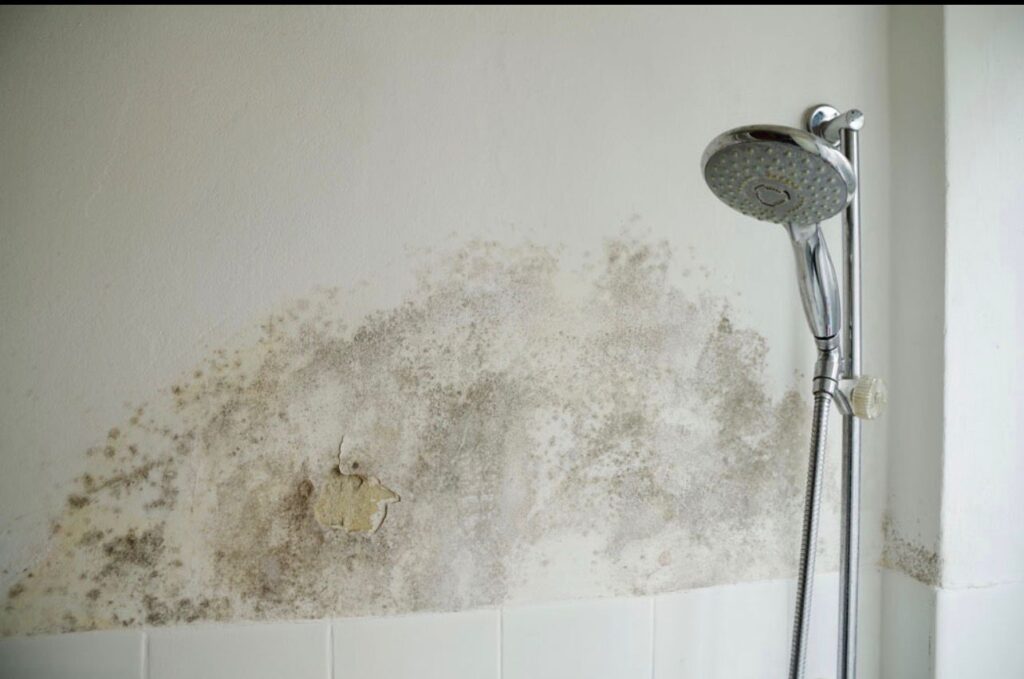
- Visible staining on ceilings or walls
- Dark spots in attic sheathing
- Excess condensation on windows
- AC running constantly but home feels humid
- Warped baseboards or flooring
In Titusville and Viera inspections, attic humidity-related staining is often one of the earliest warning signs.
If symptoms improve when spending time outside the home, it may indicate indoor air quality concerns.
That’s when professional evaluation makes sense.
Hidden Mold Sources That Affect Air Quality
Mold doesn’t always grow in obvious places.
During inspections across Brevard County, we frequently find growth in:
HVAC Systems
Evaporator coils, drain pans, and duct insulation can harbor mold if condensation accumulates.
Attics
Poor ventilation traps humid air, leading to mold growth on roof sheathing.
Behind Drywall
Slow plumbing leaks can create hidden growth inside wall cavities.
Under Flooring
Moisture trapped beneath laminate or tile in slab homes can support mold.
When mold grows in hidden areas, spores can circulate through the HVAC system, affecting indoor air.
Why Proper Testing Matters
When health concerns arise, testing provides clarity.
At Brevard Mold Inspections & Removal, mold assessments begin with:
Visual Inspection
We examine common moisture-prone areas including attics, HVAC systems, and areas with past water damage.
Moisture Detection
Professional moisture meters identify damp materials even when surfaces appear dry.
Humidity Measurement
We measure indoor relative humidity to determine whether conditions support mold growth.
Air Sampling (If Indicated)
Air samples compare indoor spore levels to outdoor levels.
This comparison is critical in Florida. Outdoor mold spores are normal. Elevated indoor levels suggest an active source.
Testing helps avoid guesswork and unnecessary worry.
Why DIY Mold Testing Can Be Misleading
Many hardware stores sell mold test kits. Most involve exposing a plate and waiting for growth.
The problem?
Florida air almost always contains mold spores. DIY plates often grow mold regardless of indoor conditions.
Without outdoor comparison samples and professional interpretation, results can cause unnecessary concern.
Accurate testing focuses on context — not just presence.
Addressing Mold to Improve Indoor Comfort
If testing confirms elevated mold levels, the solution focuses on moisture correction.
Typical steps may include:
- Repairing leaks
- Improving attic ventilation
- Cleaning or adjusting HVAC components
- Replacing contaminated insulation
- Reducing indoor humidity
If active mold growth is present, safe remediation may be recommended.
Proper remediation involves containment, HEPA filtration, removal of contaminated materials, and post-remediation moisture verification.
The goal is restoring balanced indoor conditions.
Practical Prevention Tips for Cocoa Homeowners
Reducing mold-related concerns begins with moisture control.
Homeowners across Cocoa and Brevard County can:
- Keep indoor humidity between 45–55%
- Service AC systems annually
- Flush condensate drain lines
- Inspect attic ventilation
- Run bathroom fans during and after showers
- Address leaks immediately
- Monitor for musty odors
Prevention is more effective than reaction.
Humidity control protects both the structure and indoor air quality.
Why Local Experience in Brevard County Matters
Mold behaves differently in Florida than in dry climates.
Cocoa’s coastal environment brings:
- Elevated humidity
- Salt exposure
- Storm-driven moisture
- High attic heat loads
- AC-dependent airflow patterns
Homes in Merritt Island may experience different wind-driven rain patterns than inland Rockledge or Viera properties.
Local familiarity with Florida construction and climate allows for more accurate assessments.
Brevard Mold Inspections & Removal has worked throughout Cocoa and surrounding communities. Recognizing Florida-specific moisture behavior helps identify issues quickly and realistically.
A Calm, Informed Next Step
If you suspect mold may be affecting indoor comfort in your Cocoa home, it’s reasonable to investigate.
Mold concerns are common in Brevard County because humidity is constant. But most situations are manageable when addressed early.
A professional inspection provides clarity. It identifies moisture sources. And it outlines practical steps to restore balance.
If you’d like experienced, local guidance tailored to Cocoa’s climate, Brevard Mold Inspections & Removal is here to help — calmly, clearly, and without pressure.
Understanding your home’s moisture conditions is the first step toward improving indoor comfort.