
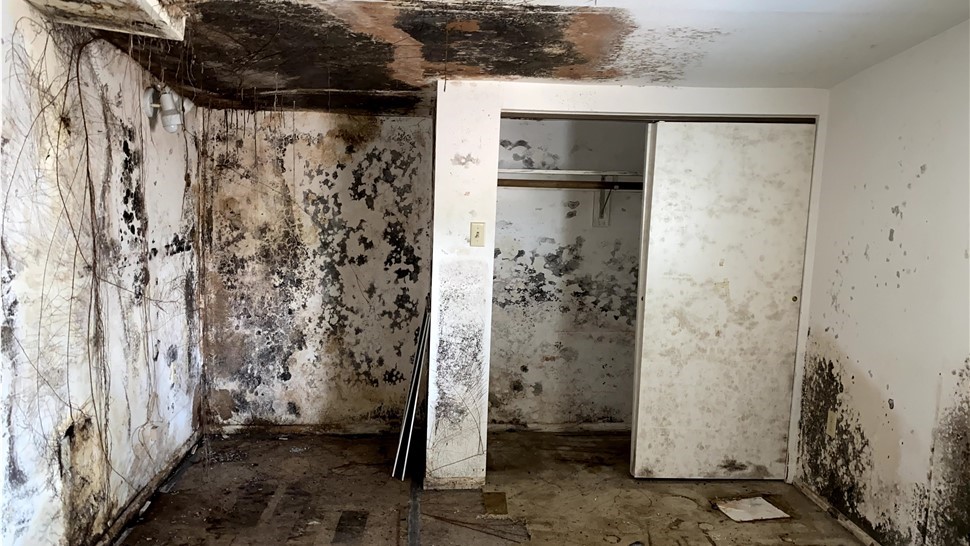
Mold Health Effects in Cocoa: What Homeowners in Brevard County Should Know
For homeowners in Cocoa, concerns about mold often go beyond property damage. Many people start asking questions when they notice musty odors, recurring moisture issues, or changes in how the home feels to live in. In Brevard County’s warm, humid climate, mold is common—but understanding how it can affect everyday comfort inside the home helps homeowners respond without panic or misinformation.
Mold health effects are often misunderstood. This guide explains what homeowners in Cocoa should realistically know about mold, indoor conditions, and why addressing moisture early matters.
Understanding Mold in Cocoa Homes
Mold is a natural organism found everywhere outdoors. Indoors, it becomes a concern when moisture allows it to grow on building materials like drywall, wood, insulation, or flooring.
In Cocoa homes, mold growth is often tied to:
- High humidity
- Past water damage
- Condensation from air conditioning systems
- Roof or plumbing leaks
Flooding is not required. Many mold issues develop slowly and quietly, especially in hidden areas.
Why Mold Is So Common in Cocoa and Brevard County
Brevard County provides ideal conditions for mold growth nearly year-round.
Humidity stays high even outside the rainy season. Moist outdoor air enters homes through doors, windows, attics, and duct systems. When that air cools indoors, moisture condenses on surfaces and inside building materials.
Cocoa also experiences heavy rain, tropical storms, and hurricane impacts. Wind-driven rain can introduce moisture into walls, ceilings, and attics without obvious interior flooding.
Air conditioning systems run most of the year, creating condensation. When drain lines clog, pans crack, or duct insulation fails, moisture can build up and support mold growth.
How Mold Can Affect Indoor Comfort
Mold affects people differently, and reactions vary from one household to another.
Some homeowners notice increased discomfort indoors, such as:
- Stuffy or heavy-feeling air
- Irritation when spending extended time inside
- Increased sensitivity in damp or musty rooms
Others may not notice any change at all. The presence of mold does not automatically mean serious health problems. What matters most is the amount of mold, where it’s growing, and how long moisture has been present.
Mold-related comfort issues often improve once moisture problems are corrected and affected areas are addressed.
Who May Be More Sensitive to Mold
Certain individuals may notice indoor changes sooner than others.
Children, older adults, and people with existing sensitivities may react more quickly to damp indoor environments. Pets can also show changes in behavior when indoor conditions shift, sometimes before humans notice anything unusual.
These reactions vary widely and are influenced by overall indoor air quality, ventilation, and moisture—not just mold alone.
Signs in the Home That Often Accompany Mold Concerns
Mold-related comfort concerns are usually paired with physical signs in the home.
Common indicators include:
- Persistent musty or earthy odors
- Discoloration on walls, ceilings, or baseboards
- Peeling paint or bubbling drywall
- Warped or soft flooring
- Condensation around vents or windows
In Cocoa homes, these signs often become more noticeable when the air conditioning runs or after the home has been closed up for a period of time.
Hidden Mold and Its Impact on Indoor Conditions
Many mold issues affecting indoor comfort come from hidden sources.
Behind walls, slow plumbing leaks or window intrusion can dampen drywall and insulation for months. Under flooring, moisture trapped between slab foundations and finished surfaces can support mold growth without visible signs.
Attics are another common source. Roof leaks, heat buildup, and poor ventilation allow moisture to collect on roof decking and framing.
HVAC systems can also spread mold-related particles when condensation issues exist inside air handlers or ductwork.
Because these areas aren’t visible, homeowners often notice comfort changes before they ever see mold.
Why Ignoring Mold Can Make Indoor Conditions Worse
Mold problems rarely resolve on their own in Florida’s climate.
If moisture remains, mold can continue spreading into additional materials. Over time, this can affect more areas of the home and make conditions harder to correct.
Surface cleaning alone does not address mold inside porous materials or eliminate moisture sources. In some cases, aggressive cleaning can disturb mold and spread particles into other areas.
Early evaluation usually leads to simpler, more effective solutions.
How Professional Mold Inspections Help Clarify Health Concerns
When homeowners are concerned about mold and indoor comfort, a professional inspection provides clarity.
Inspections typically include:
- A detailed visual assessment of moisture-prone areas
- Moisture detection using meters or thermal imaging
- Evaluation of ventilation and HVAC systems
When appropriate, air or surface samples may be collected and sent to an independent laboratory. Testing helps document mold presence and understand whether conditions suggest hidden growth.
Local professionals such as Brevard Mold Inspections & Removal focus on identifying moisture patterns and explaining findings clearly, without alarm.
Addressing Mold to Improve Indoor Conditions
When mold is confirmed, addressing it properly often improves how a home feels to live in.
Effective remediation focuses on:
- Containing affected areas
- Cleaning or removing impacted materials as needed
- Correcting the moisture source that allowed mold to grow
Moisture control is the most important factor. Without it, mold is likely to return regardless of how thoroughly surfaces are cleaned.
A well-planned remediation approach stabilizes indoor conditions and supports long-term comfort.
Practical Steps Cocoa Homeowners Can Take
Homeowners can reduce mold-related issues by managing moisture consistently.
Helpful steps include:
- Maintaining HVAC systems and keeping drain lines clear
- Using exhaust fans in bathrooms and laundry rooms
- Monitoring indoor humidity levels
- Repairing leaks promptly
- Inspecting attics and ceilings after storms
Small actions taken early often prevent larger problems later.
Why Local Experience Matters
Mold behavior varies by climate and construction style.
Cocoa homes face specific challenges related to humidity, storm exposure, slab foundations, and Florida-specific HVAC systems. Local experience helps professionals recognize common moisture pathways and assess mold issues accurately.
Understanding Brevard County conditions leads to more practical recommendations and better outcomes.
A Practical Takeaway for Cocoa Homeowners
Mold health concerns are understandable, especially in a humid coastal environment like Cocoa. Most issues are tied to moisture—not mystery—and can be managed effectively when addressed early.
If you’re noticing persistent odors, comfort changes, or signs of moisture, a professional inspection can provide clear answers. With accurate information and local expertise, Cocoa homeowners can protect both their homes and indoor living conditions with confidence.