
Mold Health Effects in Cocoa: What Homeowners in Brevard County Should Know
In Cocoa and throughout Brevard County, mold is something homeowners hear about often — especially during Florida’s long, humid seasons. But when it comes to health concerns, the conversation can quickly become confusing or exaggerated.
The reality is this: mold is a natural part of the environment. It exists both indoors and outdoors. Problems arise when moisture allows mold to grow excessively inside a home.
If you live in Cocoa, Rockledge, Merritt Island, or anywhere in Brevard County, understanding the potential health effects of mold — without panic or misinformation — helps you make practical decisions about your home.
Why Mold Is So Common in Cocoa
Cocoa’s climate creates nearly ideal mold conditions:
- High humidity year-round
- Frequent heavy rainfall
- Hurricane season exposure
- Warm temperatures
- Slab foundation homes
- Constant air conditioning use
Even without major leaks, Florida homes experience daily moisture cycles. Bathrooms, attics, HVAC systems, crawl spaces, and exterior walls are especially vulnerable.
When moisture lingers, mold growth can expand beyond normal background levels.
What Happens When Mold Grows Indoors
Mold spreads by releasing microscopic spores into the air. These spores are always present in small amounts. However, when mold colonies grow indoors due to moisture, spore levels can increase.
Excessive mold growth can contribute to:
- Musty or earthy odors
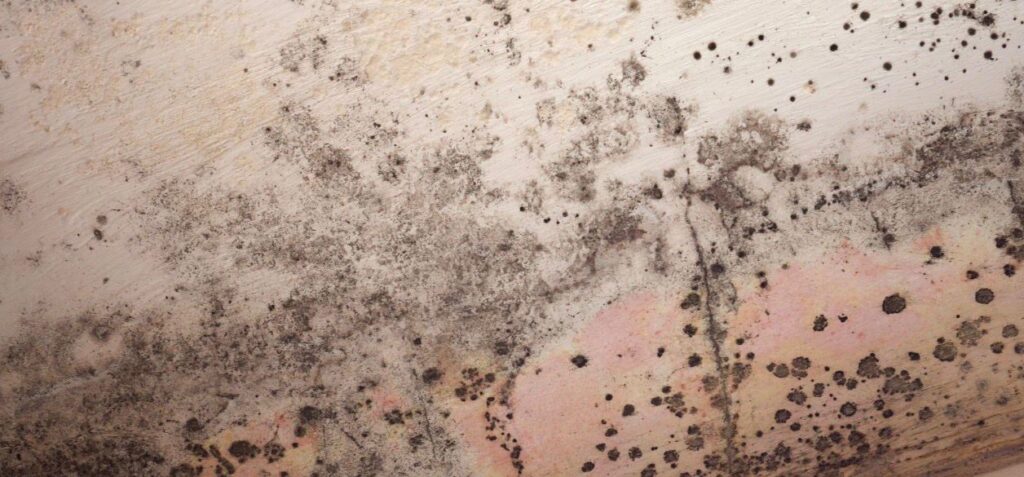
- Visible staining on surfaces
- Indoor air quality concerns
- Irritation for sensitive individuals
It’s important to avoid broad medical claims. Reactions to mold vary significantly from person to person.
Some individuals may notice increased sensitivity, while others experience no noticeable symptoms at all.
Common Complaints Associated With Indoor Mold
In Cocoa and nearby communities like Satellite Beach and Palm Bay, homeowners sometimes report:
- Nasal irritation
- Sneezing
- Throat discomfort
- Eye irritation
- Worsening of existing allergy symptoms
- Increased asthma sensitivity in susceptible individuals
Again, responses vary widely.
It’s also important to remember that Florida’s high pollen levels, dust, pet dander, and humidity can produce similar symptoms.
The presence of mold does not automatically mean a severe health issue — but it does indicate a moisture problem that should be corrected.
Who May Be More Sensitive
Certain individuals may be more sensitive to indoor air quality changes, including:
- People with asthma
- Individuals with existing respiratory sensitivities
- Young children
- Older adults
That doesn’t mean mold automatically causes illness. It simply means maintaining stable indoor air conditions is especially important for these groups.
Managing moisture helps maintain healthier indoor environments overall.
Hidden Mold and Indoor Air Quality
In Brevard County homes, mold isn’t always visible.
It can grow:
- Behind drywall after roof leaks
- Under flooring after plumbing failures
- In HVAC systems with clogged drain lines
- In attics with poor ventilation
- In crawl spaces with high ground moisture
When hidden mold grows, homeowners may notice a persistent musty smell before they see anything.
That odor is often the first indicator of excess moisture.
If the smell intensifies when the AC runs, HVAC systems may require inspection.
Why Humidity Control Is So Important in Cocoa
Humidity plays a major role in indoor air quality.
In Cocoa and Titusville, outdoor humidity regularly exceeds 70%. When indoor humidity rises above 60%, mold growth risk increases significantly.
Maintaining indoor humidity between 45–55% helps reduce mold potential.
Ways to manage humidity include:
- Annual HVAC servicing
- Cleaning AC condensate drain lines
- Using bathroom and kitchen exhaust fans
- Improving attic ventilation
- Considering whole-home dehumidification if needed
Humidity control benefits both structural integrity and indoor comfort.
When Mold Becomes a Structural Concern
Beyond air quality, mold affects building materials.
If moisture remains uncontrolled, mold can:
- Damage drywall
- Weaken wood framing
- Deteriorate insulation
- Warp flooring
- Reduce energy efficiency
In homes in Viera and Rockledge, prolonged attic mold has affected roof decking when ventilation issues were ignored.
Addressing moisture quickly prevents structural damage.
Why DIY Mold Cleaning Has Limits
Surface mildew in bathrooms can often be cleaned with proper products. But when mold spreads beyond grout lines or returns quickly, moisture likely remains.
Common DIY mistakes include:
- Spraying bleach without addressing humidity
- Painting over water stains
- Ignoring musty odors
- Cleaning visible mold without checking hidden areas
Without moisture correction, mold often returns.
The focus should always be on identifying and resolving the source.
What a Professional Mold Inspection Involves
If you’re concerned about mold in your Cocoa home, a professional inspection provides clarity.
At Brevard Mold Inspections & Removal, inspections typically include:
Visual Assessment
Examining moisture-prone areas inside and outside the home.
Moisture Detection
Using meters to identify elevated moisture inside walls, ceilings, and flooring.
Thermal Imaging
Locating cooler areas that may indicate hidden moisture.
Humidity Measurements
Evaluating overall indoor moisture balance.
Mold Testing (When Appropriate)
Air or surface samples may be collected for laboratory analysis when documentation is needed.
Testing is often helpful in real estate transactions or ongoing concerns.
The goal is to determine whether mold growth is present and whether moisture levels are stable.
Preventing Mold-Related Concerns in Brevard County
Prevention focuses on moisture management.
Homeowners in Cocoa Beach, Merritt Island, and Melbourne can:
- Inspect roofs annually
- Maintain proper attic ventilation
- Service HVAC systems regularly
- Repair leaks promptly
- Monitor indoor humidity
- Check crawl spaces periodically
- Inspect ceilings after storms
In coastal areas like Cape Canaveral and Satellite Beach, wind-driven rain makes envelope maintenance even more important.
Routine attention prevents larger issues.
Why Local Knowledge Matters
Mold behavior in Florida differs from drier states.
Cocoa homes face:
- Constant coastal humidity
- Hurricane exposure
- Slab foundation moisture movement
- Warm temperatures year-round
- Heavy AC usage
A local inspection company understands how these factors influence indoor moisture patterns.
Brevard Mold Inspections & Removal evaluates homes with Brevard County’s climate in mind, helping homeowners approach mold concerns calmly and practically.
A Balanced, Practical Approach
Hearing the word “mold” often triggers concern. But the presence of mold primarily signals a moisture issue.
The right response isn’t panic — it’s investigation.
If you notice persistent musty odors, visible growth, or increased indoor humidity, a structured inspection can:
- Confirm whether mold levels are elevated
- Identify moisture sources
- Provide practical next steps
Often, correcting ventilation or repairing minor leaks resolves the issue.
In Cocoa’s humid coastal environment, moisture management is part of responsible homeownership.
With early detection, proper maintenance, and local expertise, mold-related health concerns can be minimized — protecting both your home and indoor comfort.