
Mold Health Effects in Cocoa: What Homeowners in Brevard County Should Know
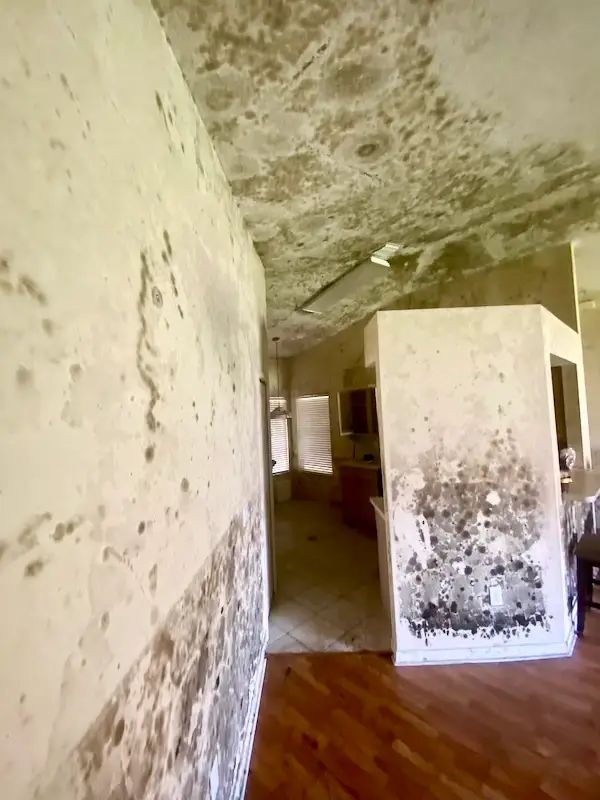
Most homeowners think about mold as a property issue first—stains on walls, musty odors, or damaged drywall. But in Cocoa homes, one of the most common concerns people bring up during inspections is how mold affects health and indoor air quality.
I’ve visited homes where residents felt better after spending time outside, only to notice symptoms returning indoors. Ever notice how air in some houses feels heavy or stale even when everything looks clean? That often points to indoor air quality issues, and mold can play a role.
Let’s talk about what homeowners in Brevard County should realistically know about mold and health.
How Mold Affects Indoor Air
Mold releases microscopic spores as it grows. These spores become part of the air people breathe every day. Small amounts of mold spores exist naturally everywhere, but higher levels indoors can affect comfort and air quality.
Conditions that increase airborne mold include:
- Active mold growth
- High humidity
- Poor ventilation
- HVAC systems circulating spores
Rhetorical question time: if air moves through every room, where do airborne particles go? Everywhere airflow reaches.
That’s why indoor air quality matters when mold develops.
Common Symptoms Associated With Mold Exposure
Not everyone reacts the same way to mold, but some people notice changes when mold levels increase.
Possible symptoms may include:
- Sneezing or nasal congestion
- Eye or throat irritation
- Coughing
- Headaches or fatigue
Symptoms often improve when spending time outside the home, which sometimes helps identify indoor air as a factor.
FYI, humidity alone can also contribute to discomfort, even without heavy mold growth.
Why Some People React More Than Others
Individual sensitivity plays a major role in how mold affects people. Some homeowners notice symptoms quickly, while others experience little or no reaction.
Factors influencing reactions include:
- Individual sensitivity
- Mold concentration
- Ventilation and airflow
IMO, ventilation often makes a bigger difference than homeowners expect. Fresh air and balanced humidity can improve comfort quickly.
Ever notice how opening windows or improving airflow changes how a room feels? Air movement plays a huge role.
How Hidden Mold Affects Indoor Air Quality
Mold doesn’t need to be visible to affect air quality. Growth behind walls, under flooring, or inside HVAC systems can release spores into the air through small openings.
During inspections in Cocoa homes, hidden mold often appears:
- Behind drywall after leaks
- Inside insulation
- Around plumbing lines
Because the growth stays out of sight, homeowners sometimes notice odors or symptoms before they see mold.
Hidden moisture often leads to hidden mold.
The Role of HVAC Systems
HVAC systems circulate air throughout the home. If mold develops inside ducts or air handlers, spores may spread into multiple rooms.
Signs HVAC systems may be involved include:
- Odors strongest when the AC runs
- Musty smells near vents
- Symptoms affecting multiple rooms
Airflow spreads both clean air and contaminated air equally.
Ever wonder why odors sometimes appear only when the AC starts? That pattern often points to HVAC-related moisture or mold.
Why Humidity Plays a Major Role
Cocoa’s warm, humid climate creates conditions where mold can grow easily if indoor moisture levels remain high.
Humidity contributes to:
- Condensation on walls and ceilings
- Damp materials
- Slow drying after leaks
Humidity doesn’t need standing water to support mold growth—it only needs time.
Controlling humidity often improves air quality significantly.
The Importance of Mold Inspection and Testing
When homeowners suspect mold may be affecting indoor air quality, inspection helps identify:
- Moisture sources
- Visible or hidden mold
- Areas at risk of growth
Mold testing may help determine whether airborne mold levels are elevated, especially when symptoms or odors persist.
Inspection identifies the cause. Testing measures the air.
Together, they provide a clearer understanding of what’s happening inside a home.
Reducing Mold Exposure Indoors
Improving indoor air quality often involves reducing both mold and moisture.
Homeowners in Cocoa can help by:
- Maintaining HVAC systems regularly
- Repairing leaks promptly
- Using exhaust fans in bathrooms and kitchens
- Monitoring indoor humidity
These steps reduce mold growth and improve airflow.
Ever notice how homes that stay dry rarely develop musty odors? Moisture control makes the biggest difference.
Why Acting Early Matters
One consistent lesson from inspections is that early action prevents larger problems later.
When mold issues are addressed early:
- Mold remains localized
- Air quality improves faster
- Repairs stay smaller
Waiting allows mold to spread into structural materials, increasing both cost and repair time.
Maintenance almost always costs less than remediation.
Final Thoughts
Mold health effects in Cocoa homes usually relate to indoor air quality and prolonged moisture conditions rather than sudden events. Understanding early warning signs, controlling humidity, and scheduling inspections when concerns arise helps homeowners protect both their homes and their comfort.
Addressing moisture quickly remains the most effective way to prevent mold and maintain healthier indoor air.