
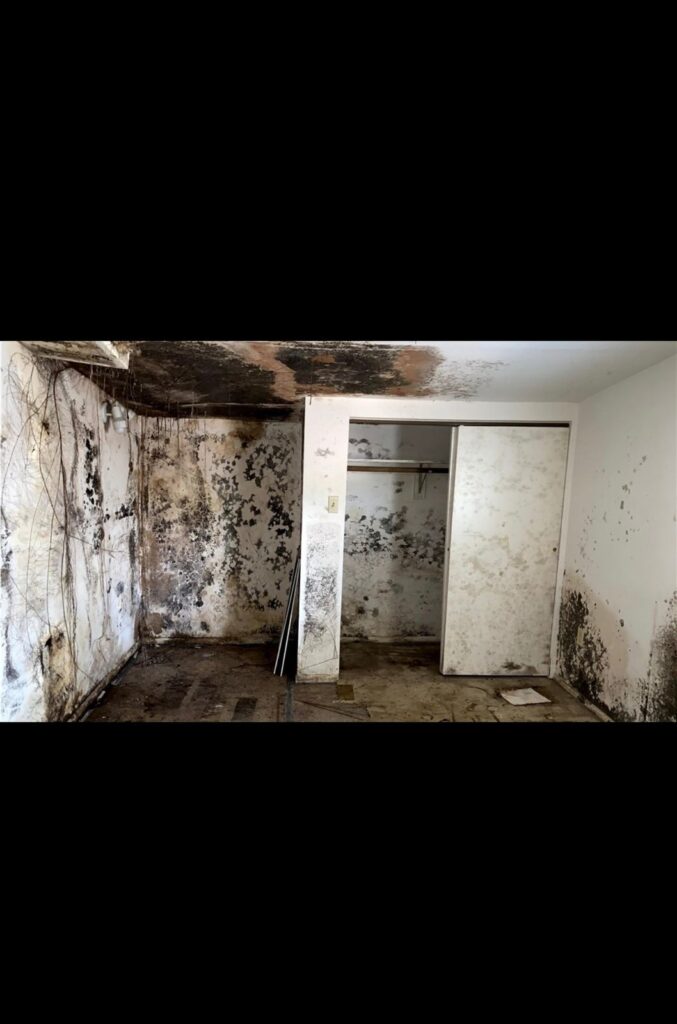
Mold Health Effects in Cocoa: What Homeowners in Brevard County Should KnowMold is more than a cosmetic problem in Cocoa and across Brevard County. In Florida’s humid climate, mold can affect indoor air quality and, over time, impact the health of people living in the home. Some homeowners notice symptoms quickly, while others live with hidden mold for years before connecting health issues to their indoor environment.Understanding how mold affects health, who is most at risk, and when to take action can help Cocoa homeowners protect both their property and their well-being.⸻Why Mold Exposure Is Common in Cocoa HomesCocoa’s climate creates ideal conditions for mold growth almost year-round.Key contributing factors include: • High humidity levels, often above 60% • Frequent rainstorms and tropical weather • Occasional flooding and water intrusion • Older homes with aging plumbing or roofing • AC condensation and clogged drain lines • Poor ventilation in bathrooms, kitchens, and laundry areasMold needs moisture to grow. Once moisture is present for 24–48 hours, mold can begin spreading on drywall, wood, insulation, carpet, and other porous materials commonly found in Brevard County homes.⸻How Mold Affects Indoor Air QualityMold reproduces by releasing microscopic spores into the air. When these spores circulate through the home, especially via HVAC systems, they can be inhaled by occupants.Indoor air quality may decline when: • Mold colonies are active behind walls or ceilings • HVAC systems spread spores throughout the home • Humidity remains consistently high • Mold growth is disturbed without containmentPoor indoor air quality can cause symptoms even when mold is not visible.⸻Common Health Effects Linked to Mold ExposureHealth effects vary depending on the individual, the amount of mold present, and the length of exposure.Respiratory Symptoms • Persistent coughing • Wheezing • Shortness of breath • Chest tightness • Worsening asthma symptomsThese effects are common in both adults and children and may intensify during humid months.Allergy-Like Reactions • Sneezing • Runny or congested nose • Itchy or watery eyes • Skin irritation or rashes • Sinus pressureMany people mistake mold exposure for seasonal allergies, especially in Florida where pollen is common year-round.Chronic Sinus and Upper Respiratory Issues • Recurring sinus infections • Ongoing nasal congestion • Post-nasal drip • Facial pressure or headachesMold exposure can irritate sinus tissues, making infections more frequent and harder to resolve.Fatigue and Cognitive SymptomsSome homeowners report: • Persistent fatigue • Difficulty concentrating • Brain fog • HeadachesThese symptoms are more commonly associated with long-term exposure in poorly ventilated homes.⸻Who Is Most at Risk from Mold Exposure?Certain groups are more sensitive to mold-related health effects.Higher-risk individuals include: • Children • Seniors • People with asthma or COPD • Individuals with allergies • People with weakened immune systems • Those with chronic respiratory conditionsIn these groups, even moderate mold exposure may trigger stronger or more persistent symptoms.⸻Toxic Mold and Health ConcernsSome molds produce mycotoxins, which may worsen symptoms when exposure is prolonged. While not all dark-colored mold is toxic, any indoor mold growth should be treated as a health concern.Health risks are influenced more by: • Duration of exposure • Size of the mold colony • Moisture conditions • Ventilation qualityShort-term exposure to small amounts of mold is generally less concerning than long-term exposure to hidden growth fueled by ongoing moisture.⸻Signs Mold May Be Affecting Your HealthHomeowners in Cocoa should consider mold as a possible factor when: • Symptoms worsen at home and improve when away • Multiple household members experience similar issues • Respiratory symptoms persist without clear cause • Odors are present but mold is not visible • Health issues appear after water damage or floodingThese patterns often indicate indoor environmental contributors.⸻Can Mold Exposure Be Tested Medically?Medical testing for mold exposure is limited and often inconclusive. While allergy testing can identify mold sensitivities, it does not determine exposure levels inside a specific home.Environmental assessment is usually more effective and focuses on: • Identifying moisture problems • Locating visible and hidden mold • Evaluating indoor humidity levels • Assessing HVAC systemsAddressing the source of mold often leads to symptom improvement without the need for extensive medical testing.⸻Mold Testing vs. Mold RemovalTesting is not always required to address health risks.Testing may be helpful when: • Mold is suspected but not visible • Documentation is needed for real estate or insurance • Health providers request confirmation • Multiple mold types may be presentIf mold is visible or strongly suspected, removal and moisture control are the priority, regardless of species.⸻Why DIY Mold Cleanup Can Increase Health RisksImproper cleaning can worsen exposure.Common DIY mistakes include: • Scrubbing mold without containment • Using bleach on porous materials • Failing to fix moisture sources • Spreading spores into the air • Inadequate personal protective equipmentDisturbing mold without proper controls can increase airborne spores and aggravate health symptoms.⸻What Professional Mold Remediation Does DifferentlyProfessional remediation focuses on health protection as much as property restoration.A proper process includes: • Identifying moisture sources • Containing affected areas • Using HEPA air filtration • Removing contaminated materials safely • Cleaning remaining surfaces with appropriate treatments • Drying and dehumidifying the space • Reducing conditions that allow mold to returnThis approach limits exposure during cleanup and improves indoor air quality afterward.⸻Long-Term Health Benefits of Mold RemediationHomeowners often report: • Improved breathing • Fewer allergy symptoms • Reduced sinus issues • Better sleep quality • Improved overall comfort indoorsHealth improvements may occur gradually as air quality stabilizes.⸻Preventing Mold-Related Health Issues in Cocoa HomesPrevention focuses on moisture control.Effective strategies include: • Keeping indoor humidity between 30–50% • Using bathroom and kitchen exhaust fans • Maintaining AC systems and drain lines • Fixing leaks promptly • Using dehumidifiers in problem areas • Inspecting under sinks, attics, and closets regularly • Ensuring proper airflow throughout the homeSimple monitoring tools, like humidity meters, help identify problems early.⸻Final ThoughtsMold health effects are a real concern for homeowners in Cocoa and throughout Brevard County. While symptoms vary, long-term exposure to indoor mold can impact respiratory health, comfort, and quality of life.Early detection, moisture control, and proper remediation reduce health risks and help maintain a safe indoor environment. Addressing mold is not just about protecting the home — it’s about protecting the people living inside it.