
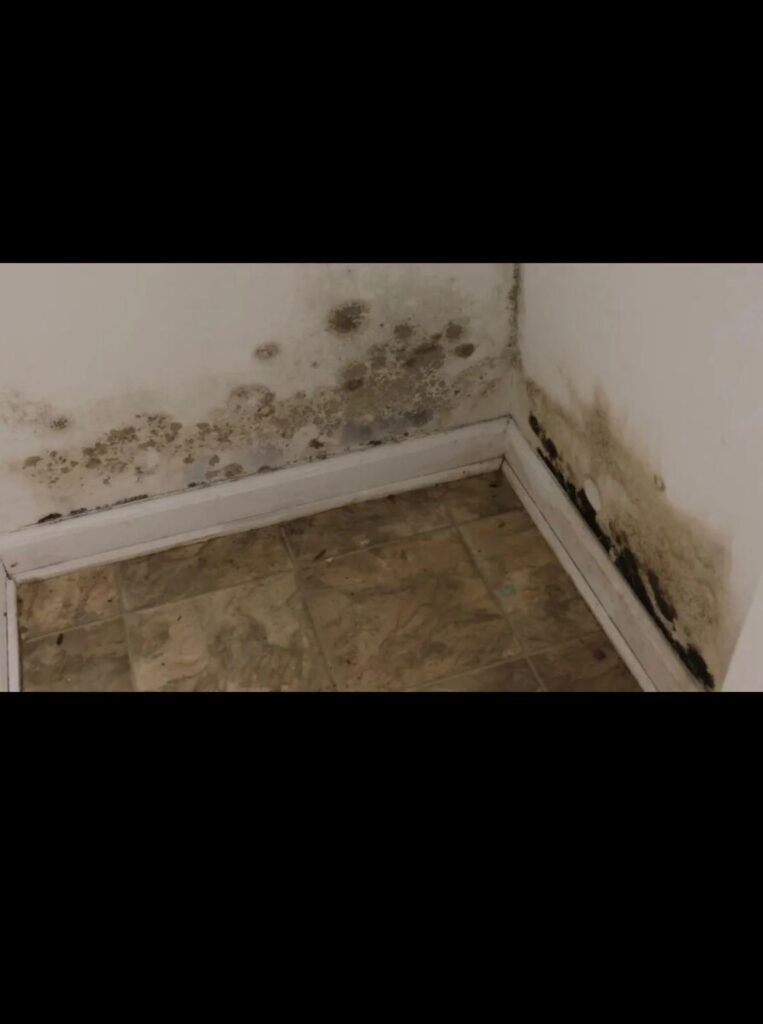
Mold Health Effects in Cocoa: What Homeowners in Brevard County Should KnowMold exposure is a real health concern for homeowners in Cocoa and throughout Brevard County. Florida’s humidity, frequent rain, and year-round air conditioning make mold growth easy—often in places homeowners can’t see. While some people experience mild symptoms, others may develop ongoing health issues when mold exposure continues over time.This guide explains how mold affects health, who is most at risk, common warning signs, and why early action matters for Cocoa homeowners.⸻Why Mold Exposure Is Common in Cocoa HomesCocoa homes face constant moisture pressure.Contributing factors include: • High year-round humidity • Heavy rain and tropical weather • Roof and window leaks • Plumbing leaks behind walls • AC condensation and clogged drain lines • Slab foundations trapping moisture • Limited airflow in closets and storage areasMold can begin growing within 24–48 hours after moisture exposure—even when no visible damage appears.⸻How Mold Affects Indoor Air QualityMold releases microscopic spores into the air. These spores circulate throughout the home, especially when HVAC systems are running.Indoor air quality declines when: • Mold grows behind walls or ceilings • HVAC systems distribute spores • Humidity stays elevated • Mold is disturbed during improper cleaningMany homeowners notice health symptoms before they ever see mold.⸻Common Health Effects Linked to Mold ExposureHealth responses vary depending on sensitivity, exposure level, and duration.Respiratory Symptoms • Coughing • Wheezing • Shortness of breath • Chest tightness • Increased asthma symptomsThese issues are especially common in humid homes with hidden mold.⸻Allergy-Like Reactions • Sneezing • Runny or congested nose • Itchy or watery eyes • Skin irritation or rashesThese symptoms are often mistaken for seasonal allergies.⸻Sinus and Upper Respiratory Problems • Chronic sinus congestion • Recurrent sinus infections • Facial pressure • Frequent headachesLong-term mold exposure can worsen existing sinus conditions.⸻Fatigue and Neurological SymptomsSome homeowners report: • Persistent fatigue • Brain fog or trouble concentrating • Dizziness • Increased headachesThese symptoms are more common with prolonged exposure.⸻Who Is Most at Risk From Mold ExposureCertain individuals are more sensitive to mold.Higher-risk groups include: • Children • Seniors • People with asthma or COPD • Individuals with allergies • People with weakened immune systemsEven low-level mold exposure can cause stronger reactions in these groups.⸻Hidden Mold and Health RisksHidden mold often causes more health issues than visible mold.Hidden mold commonly exists: • Behind drywall and baseboards • Under flooring • Inside HVAC systems and ductwork • In attics and crawl spaces • Under sinks and cabinetsBecause exposure is constant, symptoms may persist without obvious visual clues.⸻Mold vs. Seasonal IllnessMold-related symptoms often: • Worsen indoors • Improve when leaving the home • Affect multiple household members • Persist despite medicationThese patterns frequently point to indoor environmental causes rather than illness.⸻Toxic Mold and Health ConcernsSome molds produce mycotoxins, which may increase symptom severity with prolonged exposure. Not all mold is toxic, but any indoor mold can impact health, regardless of color or type.Health impact depends more on: • Amount of mold • Length of exposure • Ventilation quality • Moisture conditions⸻Why DIY Mold Cleanup Can Increase Health RisksImproper cleaning often worsens exposure.Common risks include: • Releasing spores into the air • Spreading contamination to other rooms • Failing to remove mold from porous materials • Ignoring hidden moisture sourcesDisturbing mold without containment frequently increases symptoms.⸻Medical Testing vs. Home EvaluationMedical testing may identify sensitivities, but it does not locate mold inside a home.Home evaluation focuses on: • Moisture sources • Visible and hidden mold • Indoor humidity levels • HVAC system conditionsCorrecting mold inside the home often improves symptoms without additional medical treatment.⸻Long-Term Health Benefits of Addressing MoldHomeowners often notice: • Easier breathing • Fewer allergy symptoms • Reduced sinus problems • Improved sleep quality • Better overall comfort indoorsImprovements may happen gradually as air quality stabilizes.⸻Preventing Mold-Related Health ProblemsPrevention centers on moisture control.Effective strategies include: • Keeping indoor humidity between 30–50% • Fixing leaks immediately • Using bathroom and kitchen exhaust fans • Maintaining HVAC systems and drain lines • Improving airflow in closets and storage areas • Monitoring humidity regularly • Inspecting after stormsReducing moisture reduces mold growth and exposure.⸻When Professional Help Is NeededProfessional evaluation is recommended when: • Health symptoms persist indoors • Mold odors are present • Water damage has occurred • Mold keeps returning • HVAC systems are involved • Hidden mold is suspectedEarly evaluation often prevents wider exposure.⸻Final ThoughtsMold health effects are a serious concern for homeowners in Cocoa and throughout Brevard County. Florida’s humid climate allows mold to grow easily—often out of sight—and prolonged exposure can impact indoor air quality and overall health.Recognizing symptoms early, controlling moisture, and addressing mold properly help protect both the home and the people living inside it.