
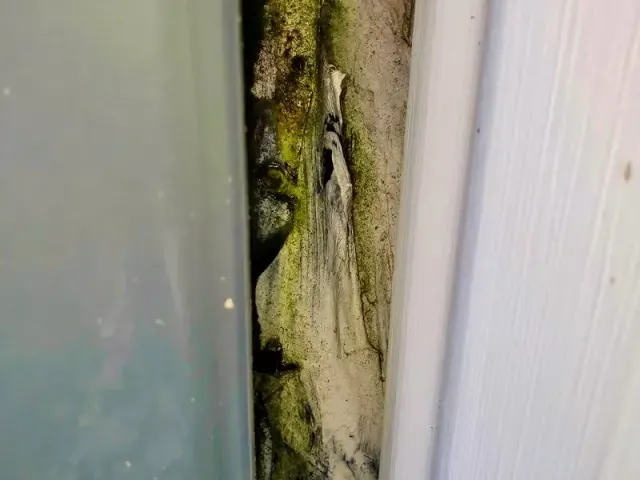
Mold Health Effects in Cocoa: What Homeowners in Brevard County Should Know
Concerns about mold and health are common among homeowners in Cocoa. Many people first notice mold not because they see it, but because something feels different inside the home. The air feels heavy. There’s a persistent musty smell. Comfort levels change. Naturally, questions about health effects follow.
In Brevard County, mold-related concerns are often tied to the environment rather than unusual living conditions. High humidity, frequent storms, and constant air-conditioning create moisture patterns that allow mold to grow quietly. Understanding how mold can affect indoor comfort, why people react differently, and what actually helps resolve these concerns allows homeowners to take practical, level-headed steps.
Why Mold Health Concerns Come Up So Often in Cocoa
Cocoa’s location near the coast and river systems means humidity is part of everyday life. Moist air slows drying and increases the chance of condensation inside homes.
When mold grows — especially hidden mold — it can affect how a home feels long before it’s visible. Odors, moisture, and air quality changes often trigger concern.
It’s important to understand that reactions to mold vary widely. Some people notice changes quickly, while others may not notice anything at all. This difference is one reason mold health concerns can feel confusing.
How Mold Affects Indoor Living Conditions
Mold impacts a home primarily by changing indoor air quality and moisture balance.
As mold grows, it releases microscopic particles and odors into the air. These don’t always cause visible signs, but they can make indoor spaces feel damp, stale, or uncomfortable.
In Cocoa homes, mold often develops in places connected to airflow — HVAC systems, wall cavities, attics, and closets. Because air moves through these spaces, the effects are not always limited to one room.
Common Ways Homeowners Notice Mold-Related Effects
Most homeowners don’t start with health concerns. They start with comfort concerns.
Common observations include:
- Persistent musty or earthy odors
- A feeling of damp or heavy air
- Rooms that never seem to feel fresh
- Increased condensation on vents or windows
- Discomfort that improves when leaving the house
These signs often point to moisture and mold conditions inside the home rather than a visible mold problem.
Why Reactions Differ From Person to Person
One of the most confusing aspects of mold concerns is that not everyone reacts the same way.
Some people are more sensitive to changes in indoor air quality, humidity, or odors. Others may not notice anything at all, even in the same environment.
This variation does not mean the issue is imaginary or exaggerated. It simply means homes and occupants respond differently to moisture and mold conditions.
From a homeowner’s perspective, the focus should remain on identifying and correcting moisture problems, not comparing reactions.
Hidden Mold and Ongoing Exposure
In many Cocoa homes, mold grows out of sight. Behind drywall, above ceilings, under flooring, and inside HVAC systems are common locations.
Hidden mold can affect indoor conditions continuously because it remains connected to airflow and moisture movement. Even if visible mold is cleaned, hidden growth can continue influencing air quality.
This is why comfort issues or concerns may persist even after surface cleaning.
HVAC Systems and Mold-Related Concerns
HVAC systems play a major role in mold-related comfort issues in Brevard County homes.
Condensation inside air handlers, drain pans, coils, and ductwork creates ideal moisture conditions. When mold develops inside the system, odors and moisture can be distributed throughout the home.
In Cocoa, HVAC-related mold is one of the most common contributors to ongoing indoor air concerns.
Why Mold Is Often Linked With Humidity
Mold and humidity go hand in hand. Mold does not require flooding or visible leaks to affect indoor conditions.
High indoor humidity alone can:
- Support mold growth
- Increase condensation
- Trap odors
- Make homes feel uncomfortable
In Cocoa homes, humidity is often the driving force behind both mold growth and the way people feel inside the home.
Why Cleaning Mold Doesn’t Resolve Health Concerns
Surface cleaning may improve how things look, but it rarely improves how the home feels long-term.
Bleach and household cleaners do not address hidden mold or moisture conditions. Odors and air quality concerns often return because the source remains active.
Cleaning without moisture control leads to repeated frustration and lingering concerns.
Professional Mold Inspection and Health-Related Questions
When homeowners are concerned about how mold may be affecting their living environment, a professional mold inspection provides clarity.
Inspections focus on:
- Moisture sources
- Hidden mold locations
- HVAC system conditions
- Attics, walls, and flooring
- Areas with past water damage
Moisture meters and thermal imaging help locate damp materials behind surfaces. When appropriate, air or surface sampling may be used to support findings.
The goal is understanding conditions inside the home — not making medical judgments.
Mold Remediation and Indoor Comfort
When mold is confirmed, proper remediation focuses on removing mold-affected materials safely and correcting moisture issues.
Containment prevents mold particles from spreading during work. Affected materials are evaluated to determine whether cleaning or removal is appropriate.
Most importantly, moisture sources are corrected. Without moisture control, comfort issues often persist even after mold removal.
Brevard Mold Inspections & Removal approaches mold concerns with a moisture-first, prevention-focused mindset.
Why Mold Concerns Are Often Misunderstood
Much of the confusion around mold comes from extreme information found online. In reality, mold issues in Cocoa homes are usually building-related, not mysterious or unusual.
Mold is a signal that moisture is present where it shouldn’t be. Addressing that moisture typically resolves both the mold and the comfort concerns associated with it.
Clear information replaces fear with practical solutions.
Preventing Mold-Related Comfort Issues
Prevention focuses on managing moisture and airflow.
Using bathroom exhaust fans consistently, maintaining HVAC systems, repairing leaks promptly, and monitoring indoor humidity all reduce mold risk.
After storms or extended humid periods, checking attics, ceilings, and HVAC components helps catch problems early.
Consistency matters more than occasional cleaning.
Why Local Experience in Brevard County Matters
Mold and humidity behave differently in coastal Florida than in other regions. Cocoa homes face storms, salt air, slab foundations, and long cooling seasons.
Local experience means understanding where mold typically develops here and how it influences indoor conditions over time.
Solutions that work in dry climates often fail in Brevard County.
A Calm, Practical Takeaway
Mold health concerns in Cocoa are usually rooted in moisture and indoor air conditions rather than isolated surface growth. When a home feels uncomfortable or musty, it’s a sign that moisture needs attention.
Focusing on identifying moisture sources and correcting them leads to lasting improvement. Early assessment helps prevent small issues from becoming ongoing concerns.
Homeowners across Brevard County benefit from clear information and practical guidance. Brevard Mold Inspections & Removal helps homeowners understand mold conditions, identify moisture problems, and restore comfortable indoor living environments.
When moisture is controlled, homes feel better — and worries tend to fade with it.